Arcade rules on a home controller
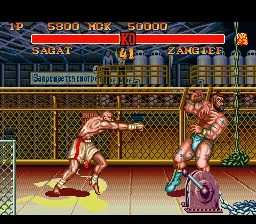
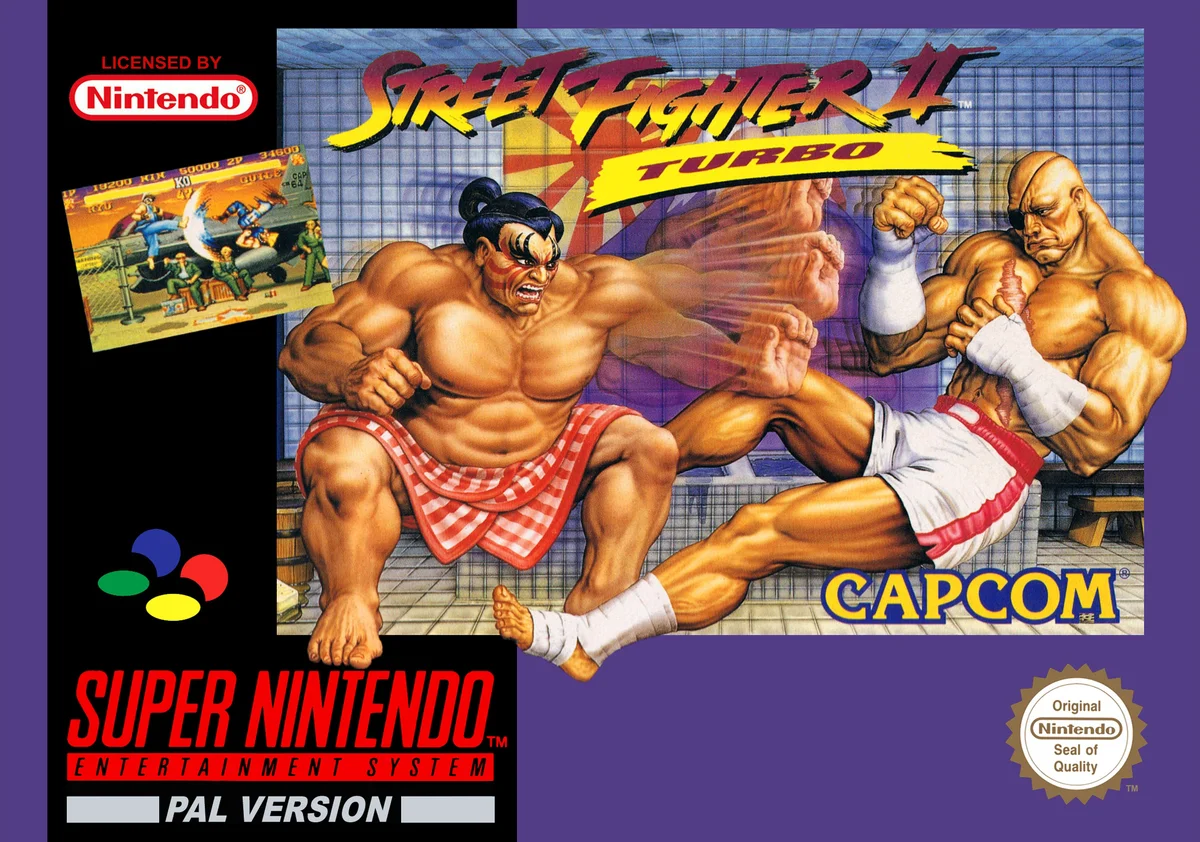
Hyper Fighting appeared in arcades in 1992; the SNES conversion, titled Street Fighter II Turbo, followed in 1993. The home release needs its own date and identity. Its six attack buttons also fit the SNES controller, making the port a useful example of how hardware design shapes a familiar arcade game.
Learn from another player
A fireball claims space. Jumping over it may give your opponent exactly the opening they wanted. Turbo brings these decisions close together, so a successful counter feels like reading somebody’s intentions in time to act. The same small set of moves can sustain an evening because each player keeps changing how they use them.
A patient friend is usually a better teacher than the computer opponent. Learn one character and a few dependable moves before attempting elaborate combinations. Several thoughtful local matches tell you more about the game than treating an arcade-mode ending as the only goal.
Why we chose it for Super Nintendo
Play the SNES conversion with another person to see what happened when arcade rivalry moved into the living room.
Explore this console’s game selection ↗Release record
Original worldwide release: 1992. Release records above identify the console editions covered by this collection.
Sources and further reading3 references
- Street Fighter II Turbo: SNES releases ↗MobyGames · Accessed 2026-10-27
Capcom developer/publisher and 1993 SNES release records.
- Street Fighter II: Hyper Fighting ↗Museum of the Game · Accessed 2026-10-27
1992 arcade release; distinct from its 1993 Super NES conversion.
- Games included in the Super NES Classic Edition ↗Nintendo · Accessed 2026-10-27
Built-in games, including the SNES port of Street Fighter II Turbo. Current hardware stock has not been checked.