Making a case for new hardware
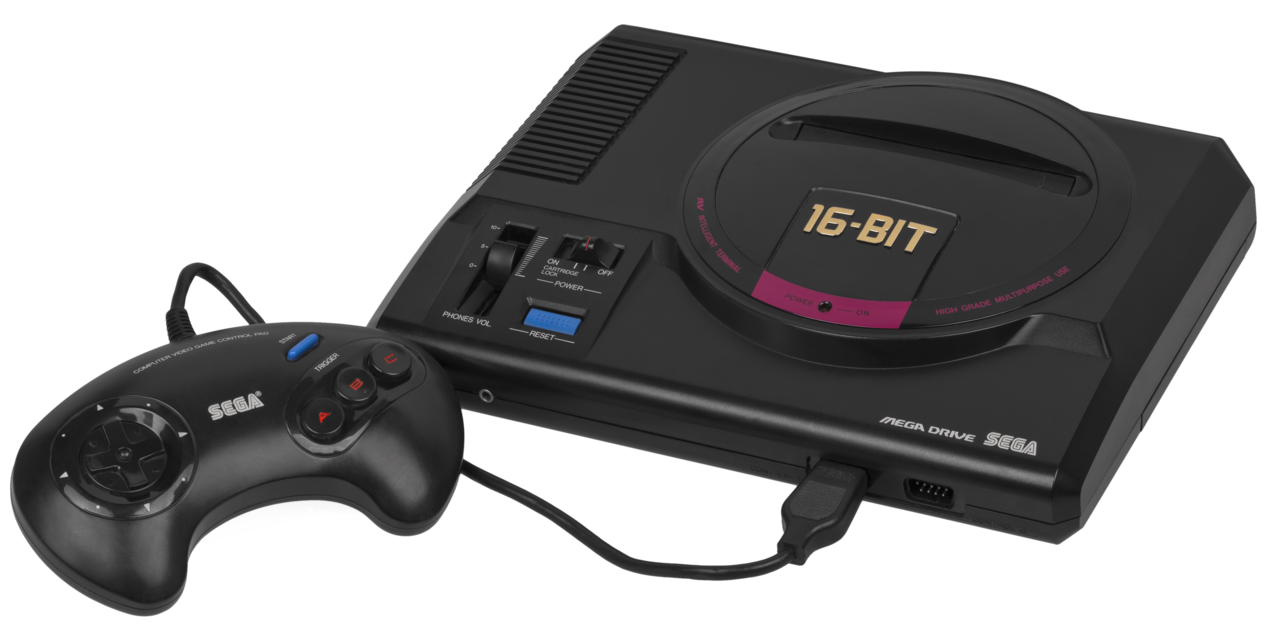
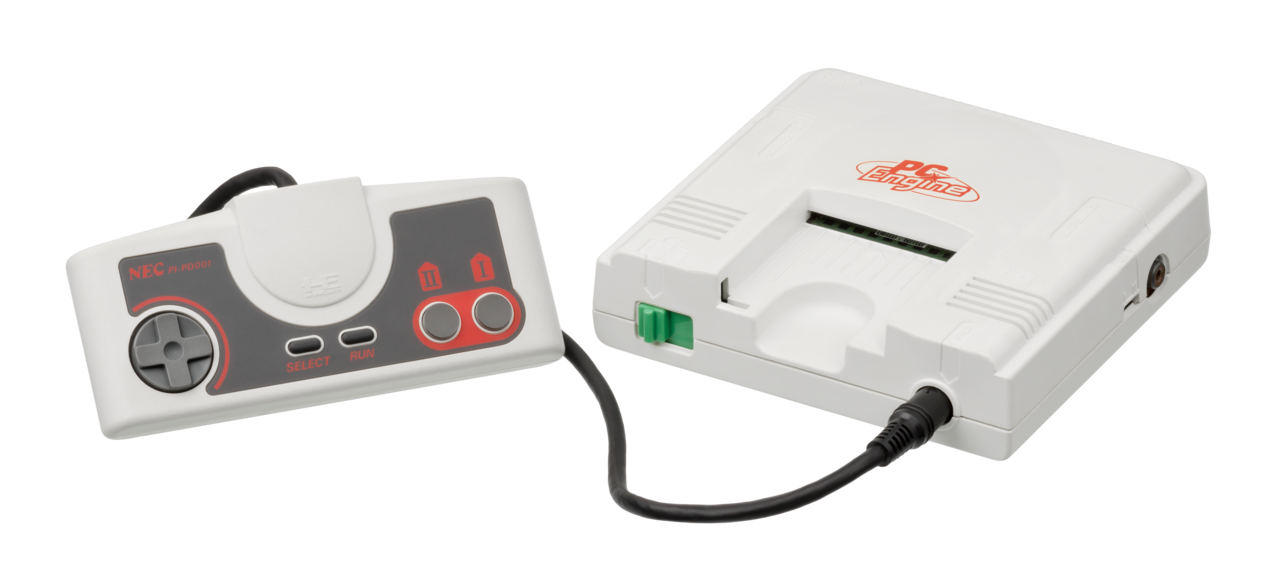
The Super Famicom arrived in Japan in November 1990, after both the PC Engine and Mega Drive. Nintendo needed games that gave existing customers a reason to buy another machine.
A contemporary Super Mario World interview captures that tension. The developers described experimenting with Super Mario Bros. 3 on the new system and finding that better-looking graphics alone did not make it a new game. The lesson is visible in the finished World: new abilities and a map full of alternative routes give the extra visual richness something to serve.
Sources for this section2 references
- Best-selling fourth-generation videogame console ↗Guinness World Records · Accessed 2026-10-27
Japanese launch date and staggered European dates. North American sources disagree on exact August launch day; this archive uses month precision.
- Super Mario World — 1990 developer interview ↗Shmuplations / original official guidebook · Accessed 2026-10-27
Translation of a contemporary developer interview. Used for the team’s approach to new hardware and sound samples.
A launch that took more than a year
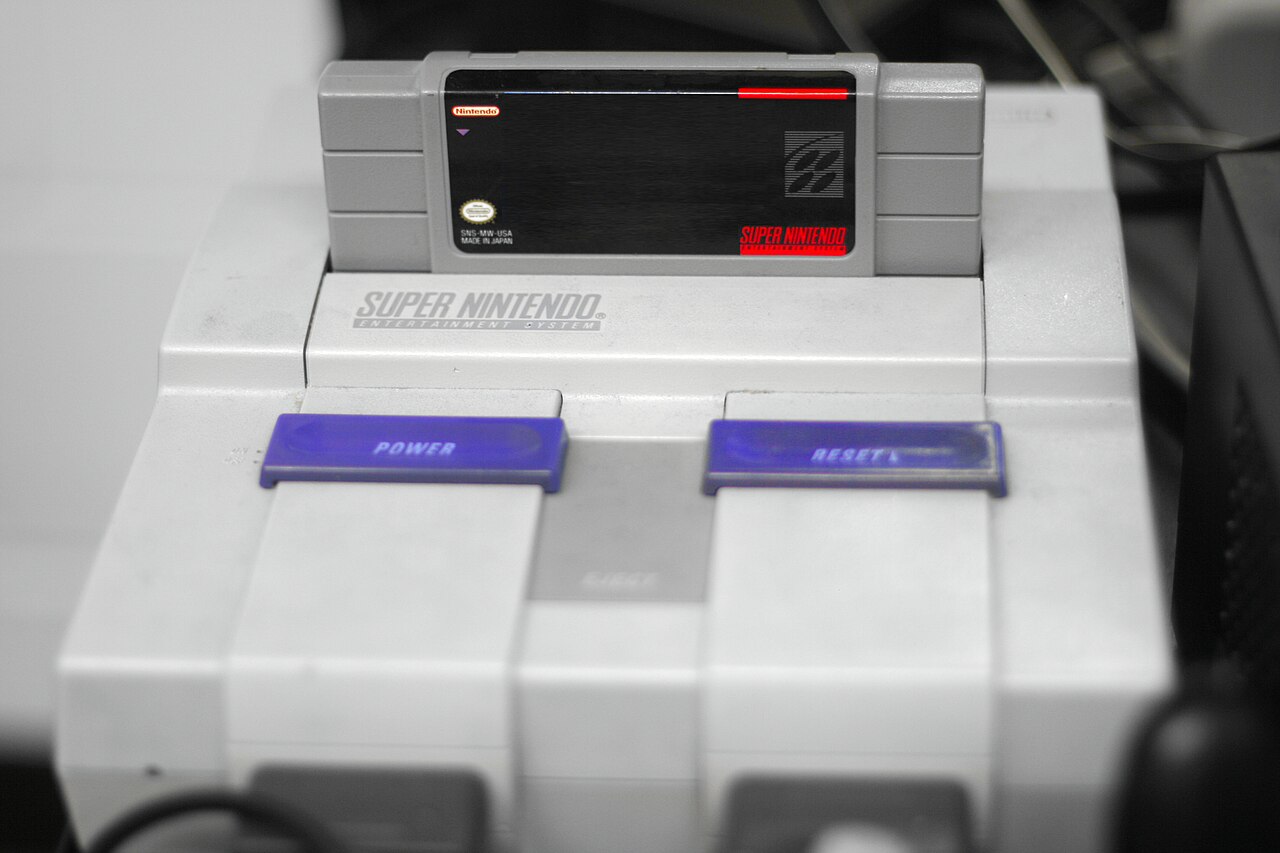
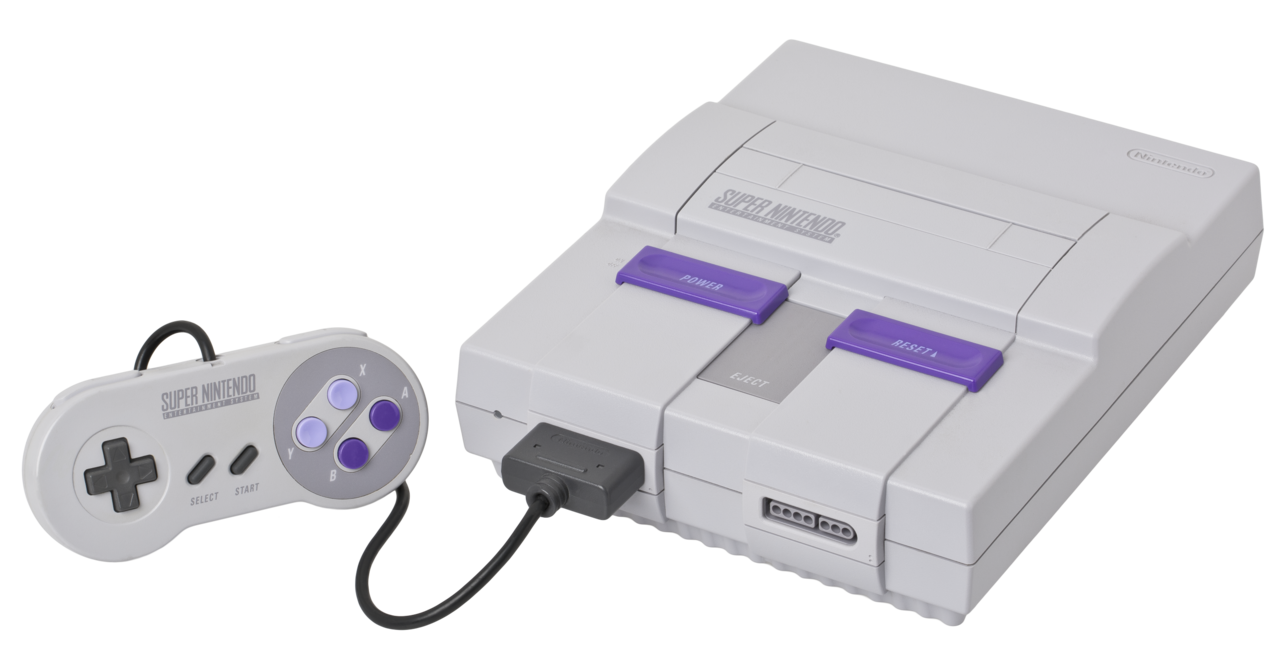
North America received the Super Nintendo in August 1991, with a different exterior from the rounded Japanese Super Famicom. Europe followed in 1992; the UK and Ireland preceded the wider June rollout. “The 1990 launch” describes the beginning of one regional story, not every player’s first encounter.
Sega’s console was already available when many Western customers first saw the SNES. By then Nintendo had to compete with a library people could already buy and play, as well as persuade its own customers to move on from the NES.
Sources for this section3 references
- Best-selling fourth-generation videogame console ↗Guinness World Records · Accessed 2026-10-27
Japanese launch date and staggered European dates. North American sources disagree on exact August launch day; this archive uses month precision.
- Nintendo History ↗Nintendo UK · Accessed 2026-10-27
European launches and Super FX / Super Game Boy context. Older sales prose on this page is superseded by Nintendo investor relations data.
- Sega history: 1960–2020 ↗Sega · Accessed 2026-10-27
Regional introduction years and manufacturer-reported regional sales. These are not a harmonised global installed-base total.
Worlds that seemed to turn beneath you
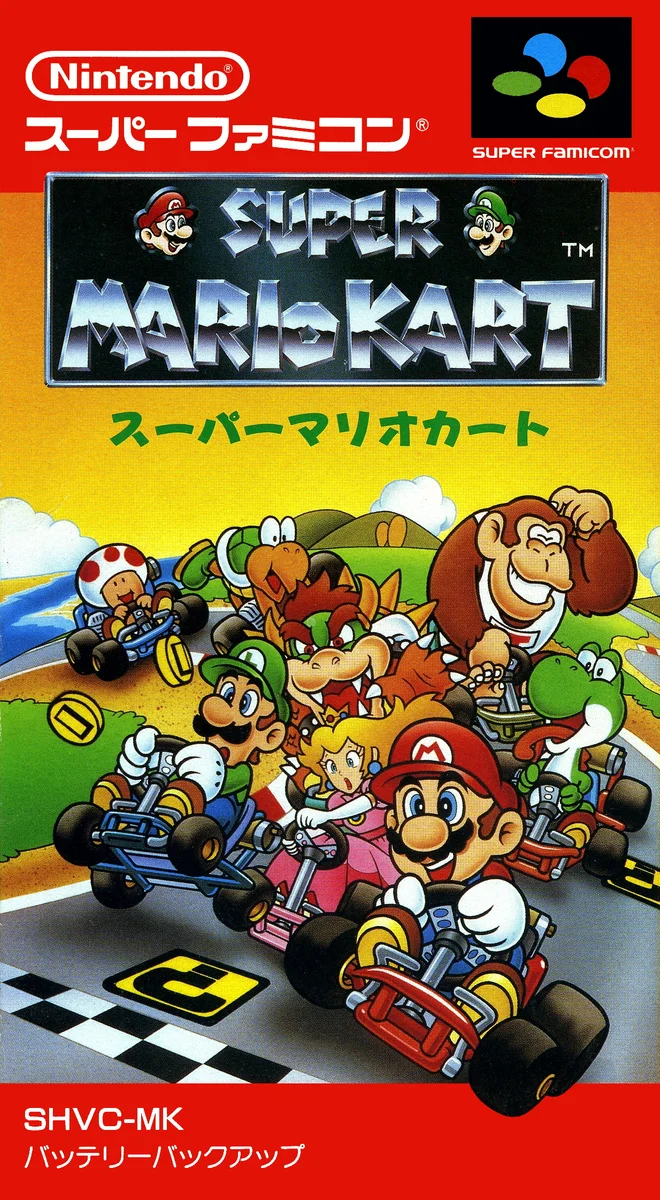
Mode 7 transformed a background plane through rotation and scaling. Its familiar racing perspective was a carefully arranged two-dimensional effect, not a general-purpose 3D world renderer.
The sample-based audio system demanded work too. In the 1990 Mario interview, Koji Kondo describes the difficulty of creating the sound samples themselves. New hardware gave composers more control over a game’s sound, along with another job to do before a note could play.
Sources for this section2 references
- Super Nintendo / Famicom Architecture ↗Rodrigo Copetti · Accessed 2026-10-27
Independent technical research with board photographs and references. Used for architecture, not disputed regional launch dates.
- Super Mario World — 1990 developer interview ↗Shmuplations / original official guidebook · Accessed 2026-10-27
Translation of a contemporary developer interview. Used for the team’s approach to new hardware and sound samples.
The strength was in the software
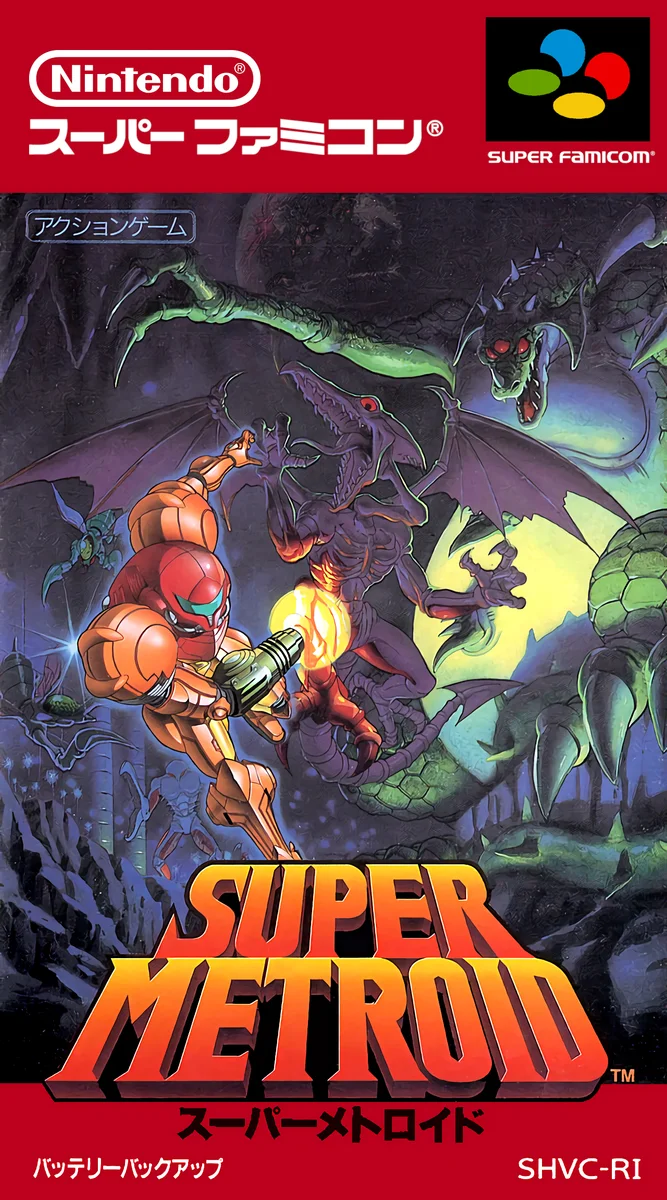
Super Mario World makes its map an invitation to take a detour. Super Metroid asks the player to study a place more closely, then return when a new ability makes another route possible. Both reward curiosity, at very different paces.
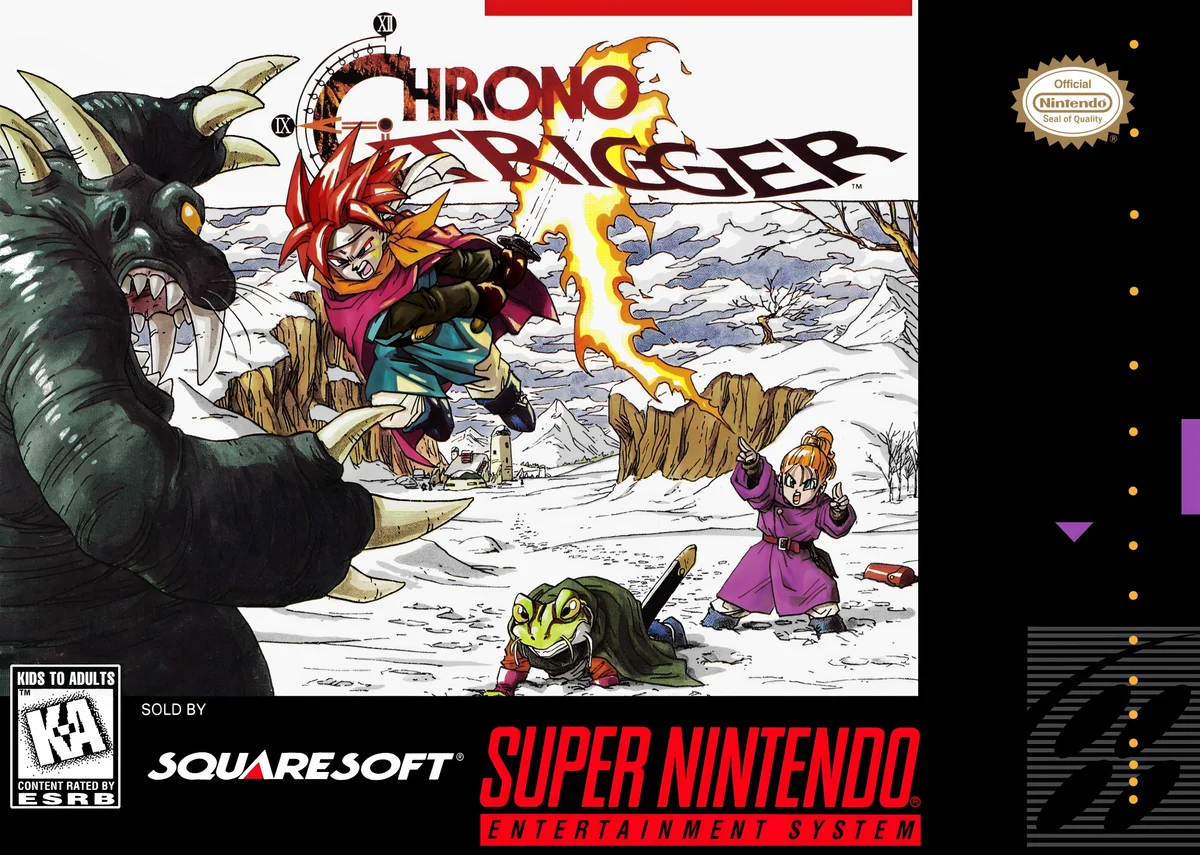
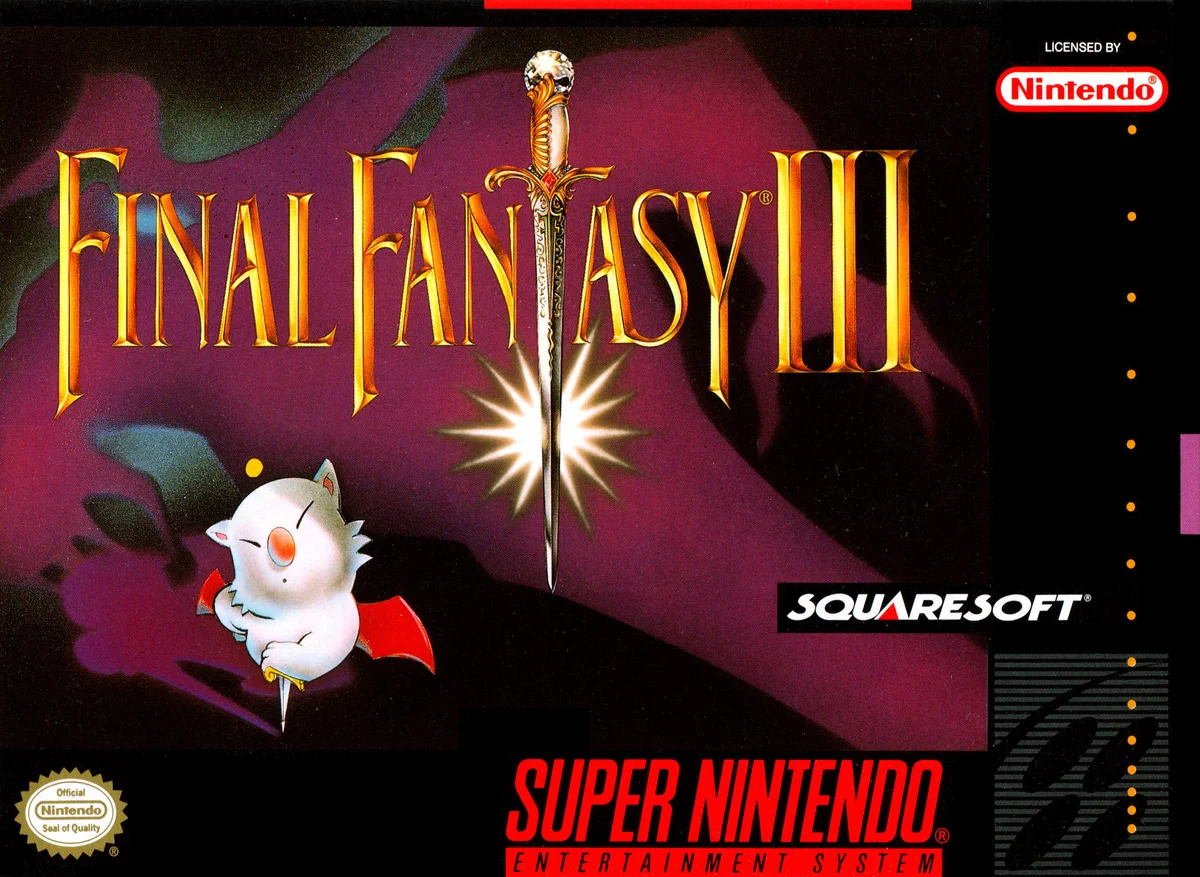
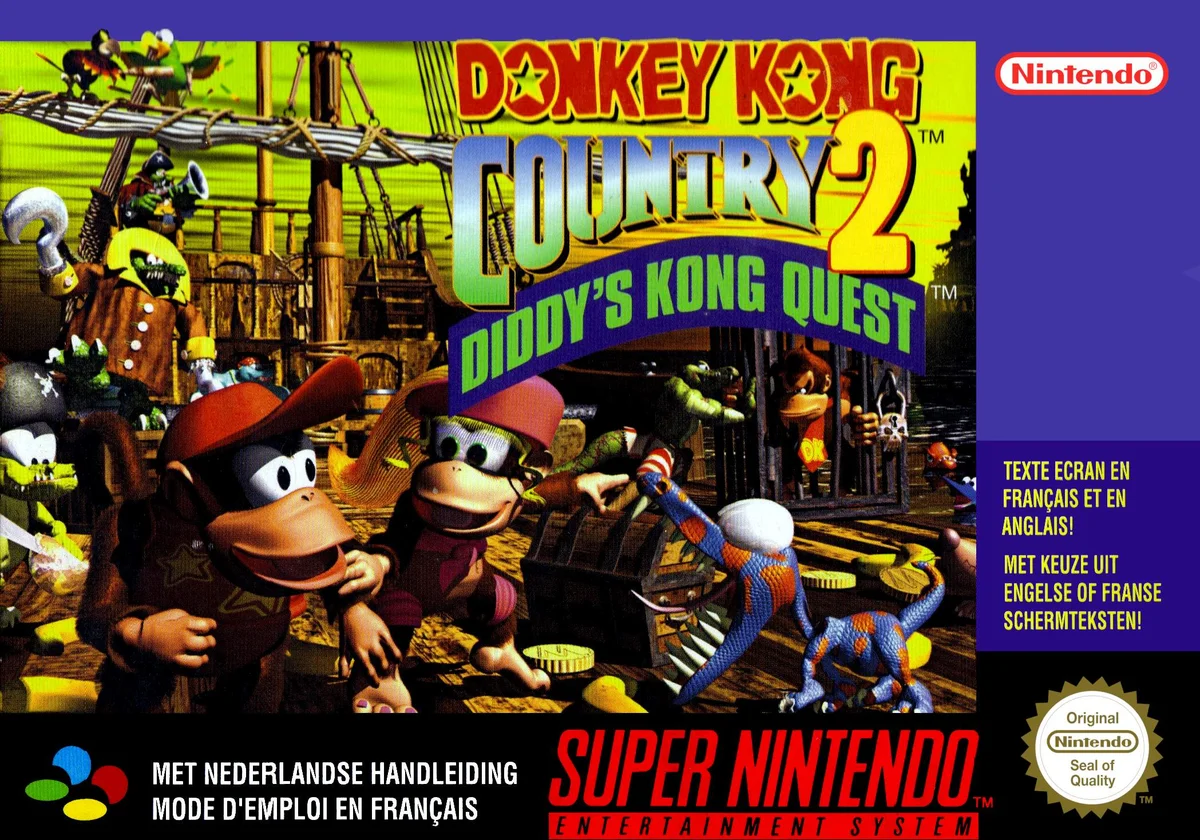
Square’s role-playing games and Capcom’s fighters sit alongside Nintendo’s work, as do Rare’s platform games. The ten chosen here leave room for those developers rather than filling the list with Nintendo characters.
Sources for this section1 reference
- Nintendo Classic Mini: Super Famicom announcement ↗Nintendo · Accessed 2026-10-27
Includes original Japanese title release dates; these are not European or North American release dates.
A cartridge could carry more than a game
The base console did not set an absolute limit on every cartridge. Additional processors could extend what particular games did. Nintendo’s history records the Super FX announcement in 1993 and Star Wing’s European release that April; the angular polygons were a different demonstration from Mode 7’s transformed backgrounds.
An extra processor benefited the game carrying it. Seeing an effect in one cartridge did not mean the next cartridge could reproduce it on the base hardware.
Sources for this section2 references
- Nintendo History ↗Nintendo UK · Accessed 2026-10-27
European launches and Super FX / Super Game Boy context. Older sales prose on this page is superseded by Nintendo investor relations data.
- Super Nintendo / Famicom Architecture ↗Rodrigo Copetti · Accessed 2026-10-27
Independent technical research with board photographs and references. Used for architecture, not disputed regional launch dates.
The games outlived the argument
Nintendo reports 49.10 million lifetime hardware units worldwide for the Super Famicom and SNES. That figure establishes its commercial scale. Regional sales and the quality of individual games need separate consideration.
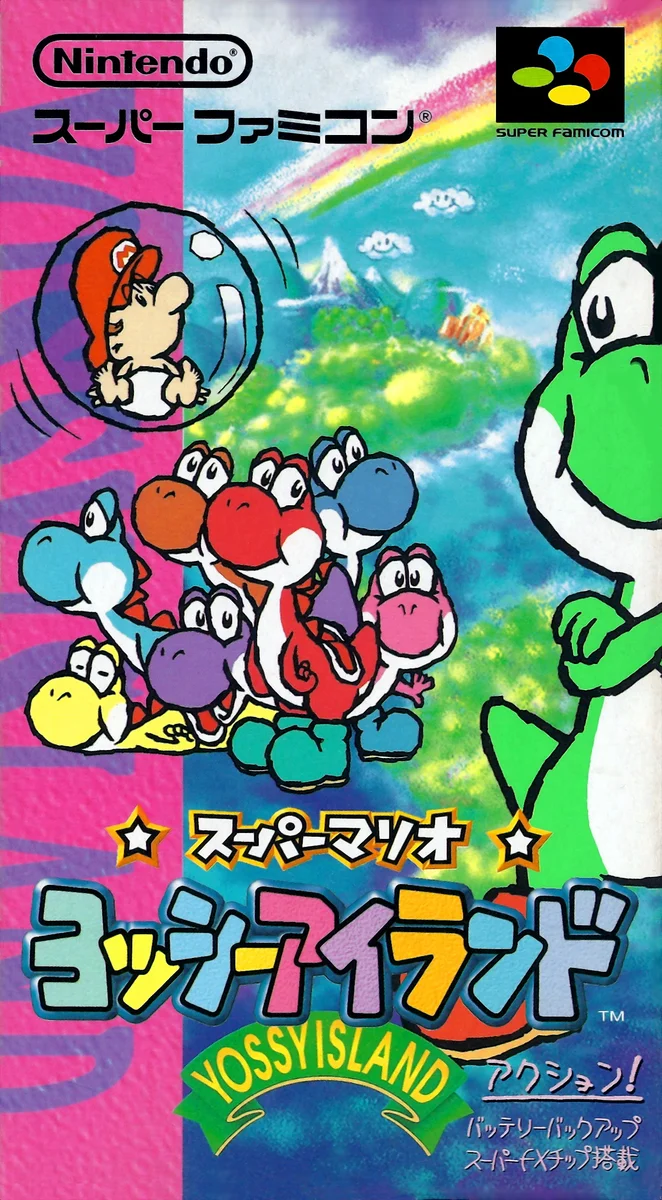
Much of the library remains easy to read on screen. A character’s silhouette gives away its role, an animation signals danger, and the player can usually learn a game’s basic actions quickly. That clarity is part of why these games remain approachable, even when mastering them takes considerably longer.
Sources for this section2 references
- Hardware and software sales units ↗Nintendo Investor Relations · Accessed 2026-10-27
49.10 million SNES / Super Famicom hardware units: worldwide consolidated sales life-to-date, as described by Nintendo.
- Developer interview: Super Mario World and Yoshi’s Island ↗Nintendo UK · Accessed 2026-10-27
2017 first-person retrospective with Takashi Tezuka, Shigefumi Hino and Hisashi Nogami.