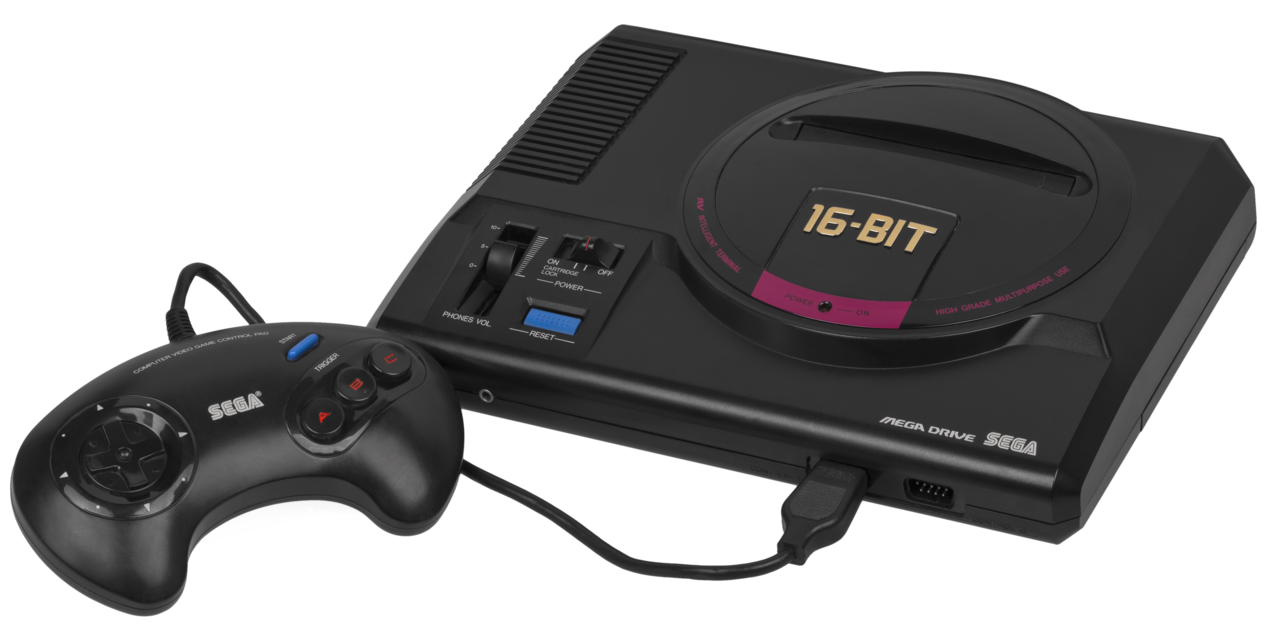
Mega Drive
The challenger with an attitude.
A history worth playing.
From television games to connected worlds
The cover story 1987–1996
When gaming became a battlefield.
Sega challenged Nintendo with Sonic. NEC backed CDs. SNK brought its arcade hardware home. The contest looked different in every market.
Read the 16-bit chapter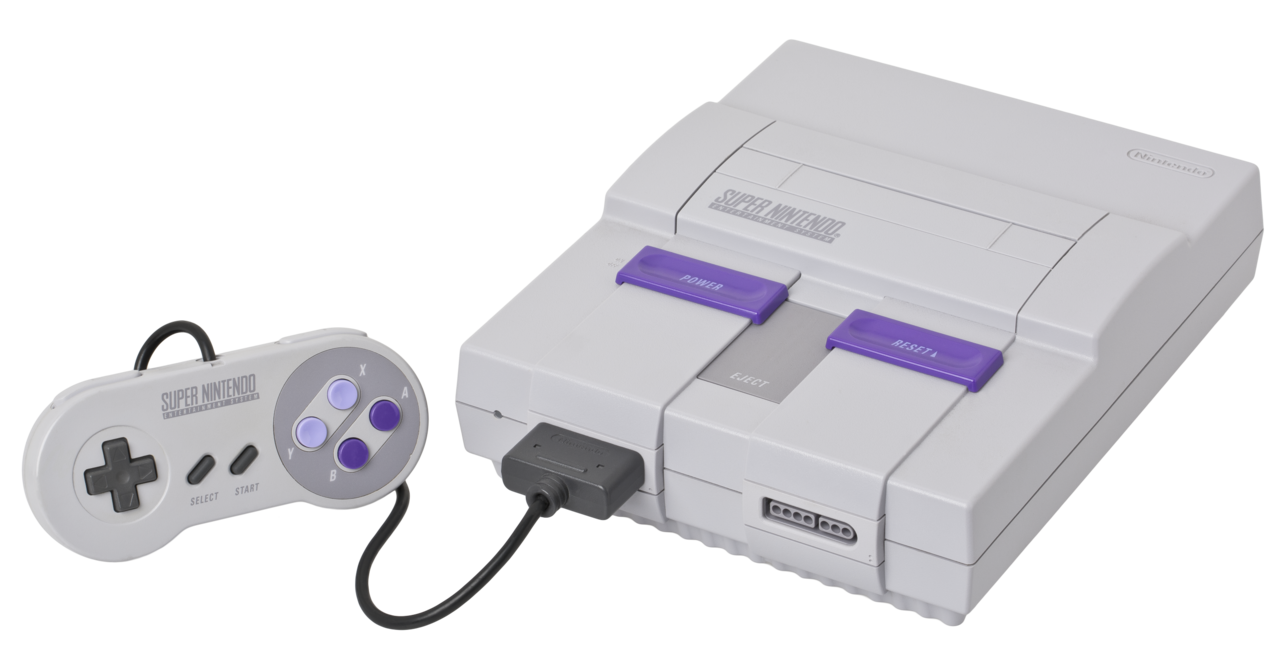
The challenger with an attitude.
Nintendo’s worlds grow wider.
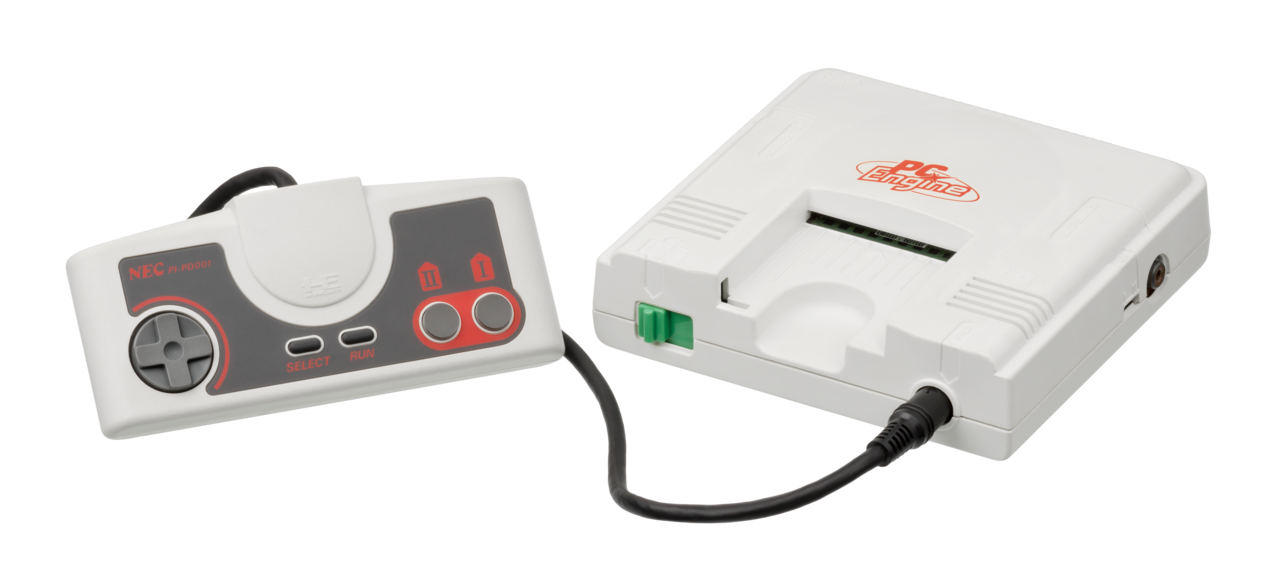
The other side of the console wars.
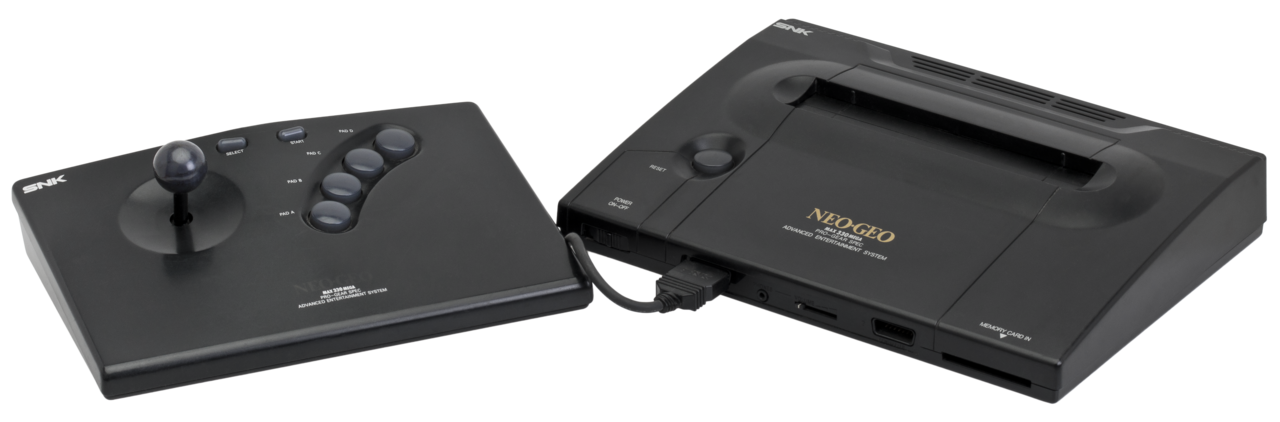
Arcade hardware comes home.
Small controls, worlds that kept growing.
Arcade ambition, with time for an adventure.
Arcade timing, room for experiments.
A disc could hold several kinds of world.
Movement starts under the thumb.
An arcade machine with a telephone connection.
Games and films share the disc tray.
Small discs, four controller sockets.
Storage and a network port come as standard.
A new cartridge, with room for the old library.
The lower screen becomes a control.
A widescreen and a disc drive in your hands.
The game reaches beyond the screen.
Two players, one built-in game.
A different program in the same machine.
The library changes around the machine.
The controller carries the instructions.
Arcade licences and room for expansion.
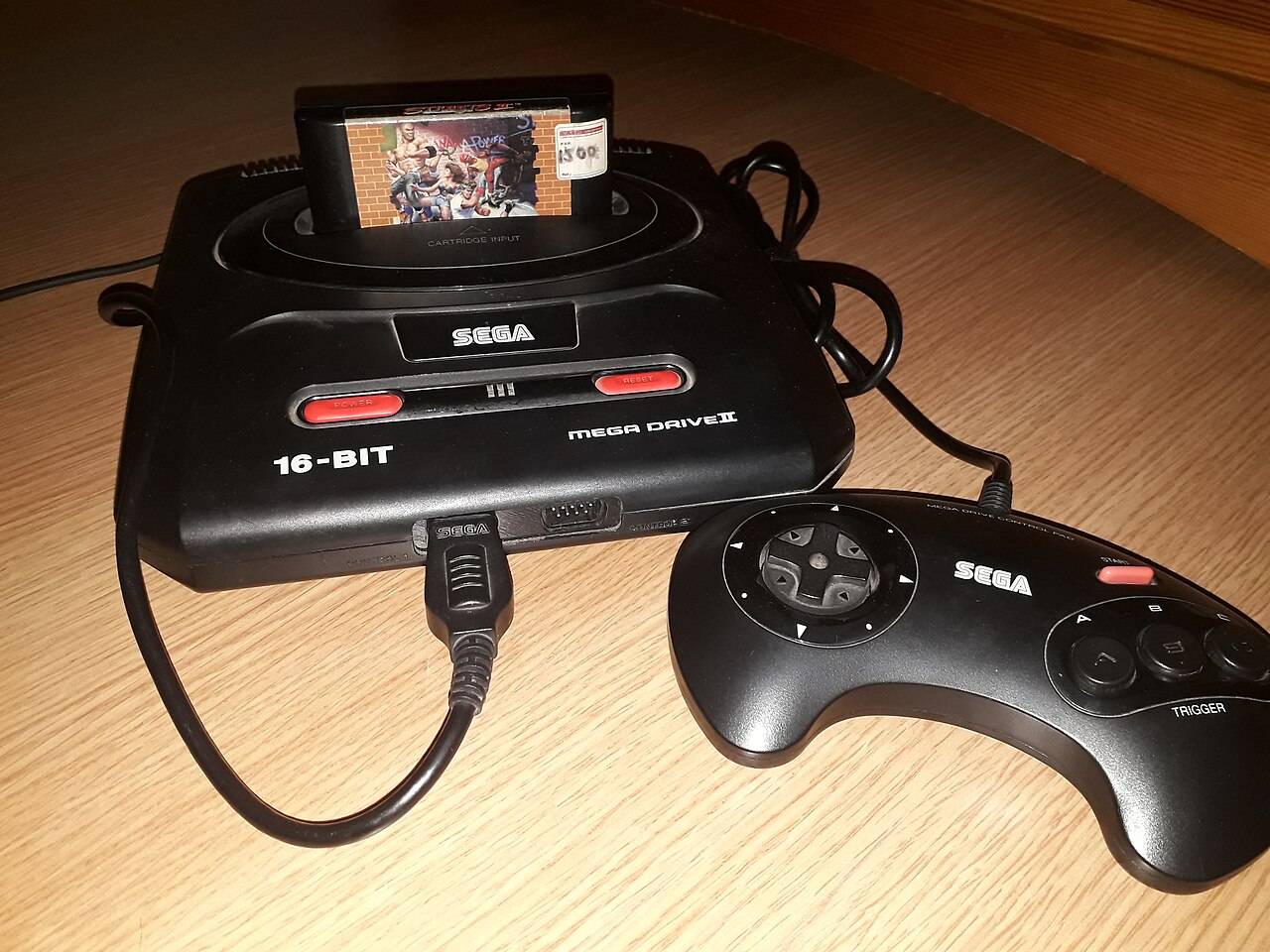 Cartridge photograph
Crowd control and club music make a persuasive case for spending an evening on the sofa with a second player.
Must play 1992 game logo
Sonic finds his rhythm in a sequel built around branching routes, the Spin Dash and a companion who never quite keeps up.
Must play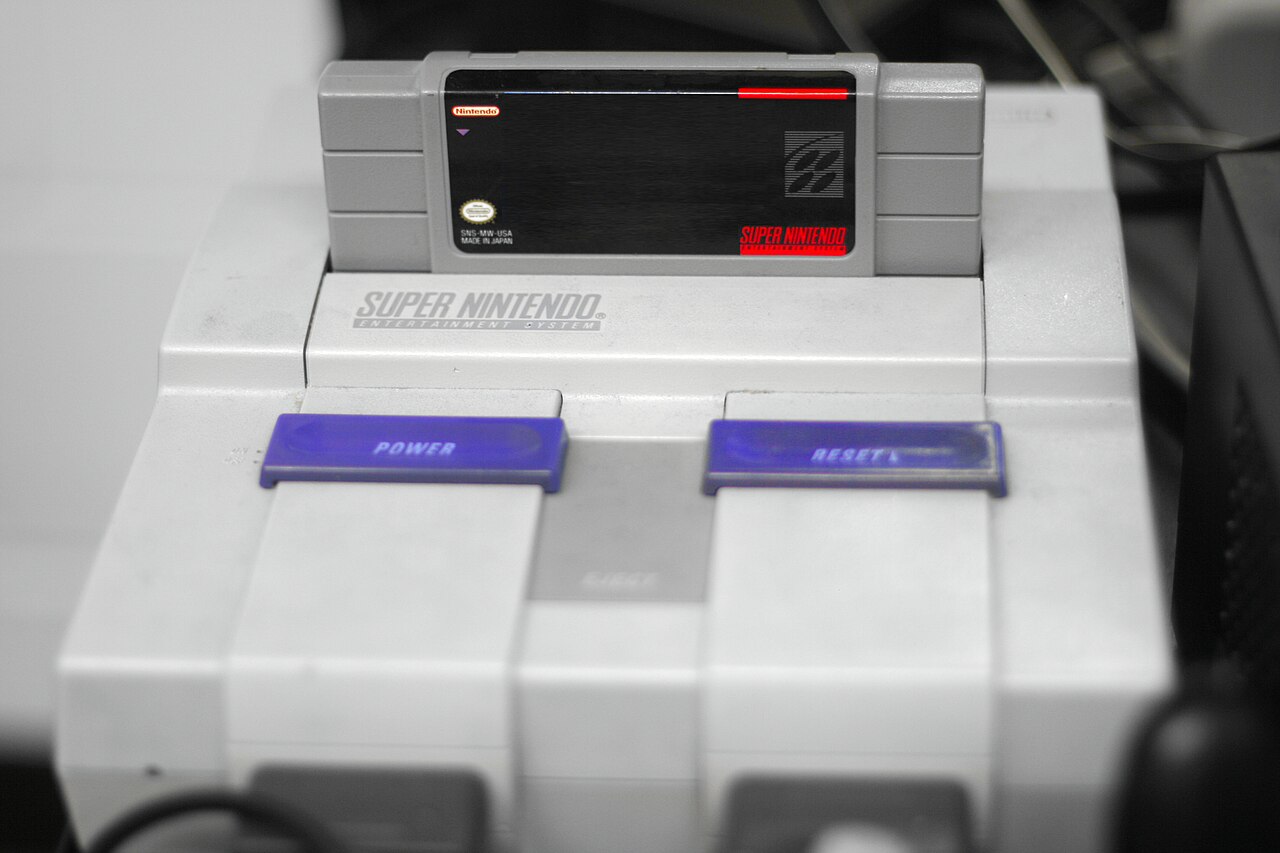 Cartridge photograph
Yoshi and the cape give Mario new ways to investigate a map full of suspicious dead ends.
Must play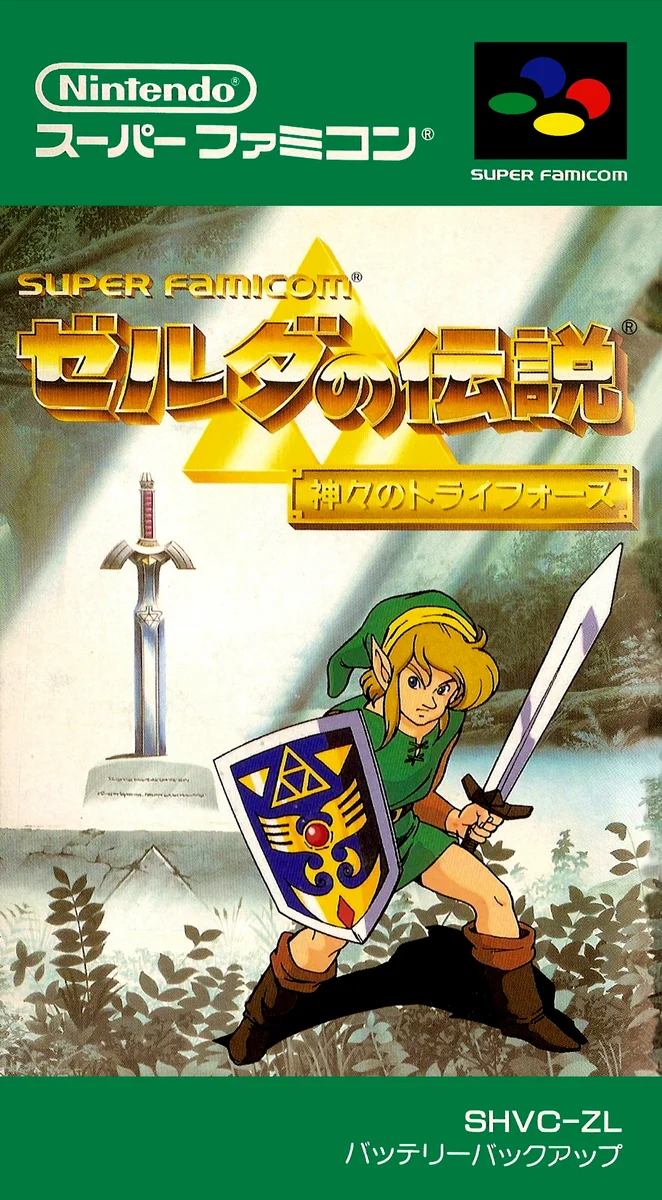 Box front
New equipment keeps sending Link back to old places, where a familiar obstacle has become a way forward.
Must playGame logos and cartridge photographs are credited in the image register. Private LaunchBox artwork is credited on each game feature; entries without images use typographic records.
A place to start.
Many ways to play.
Each selection earns its place through its design, influence, or role in the console’s library. We cover different genres and discuss how each game plays today. Most collections contain ten games; the early-console lists start smaller and explain their scope.
How we choose the essentials