Different ways to show a place
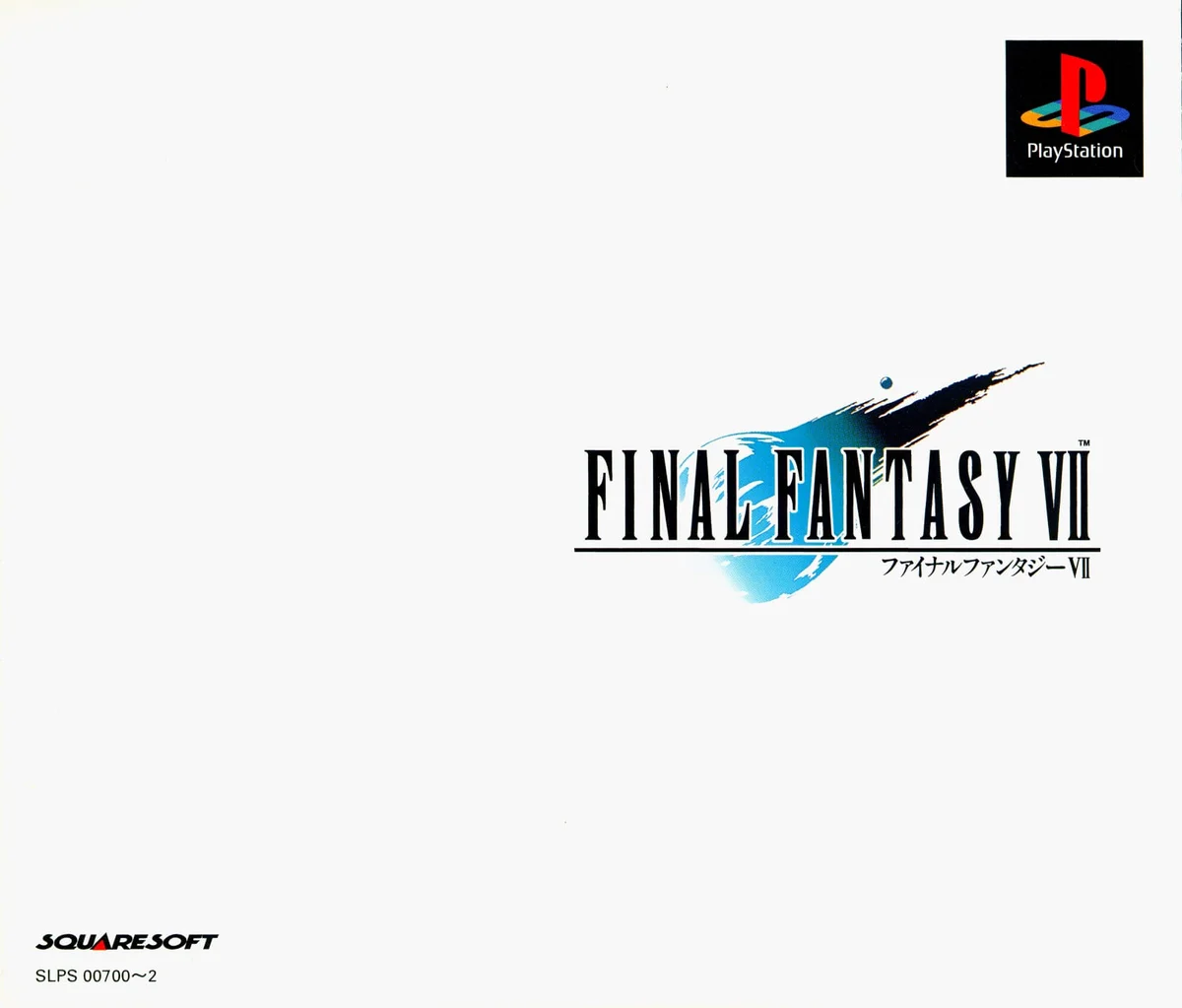
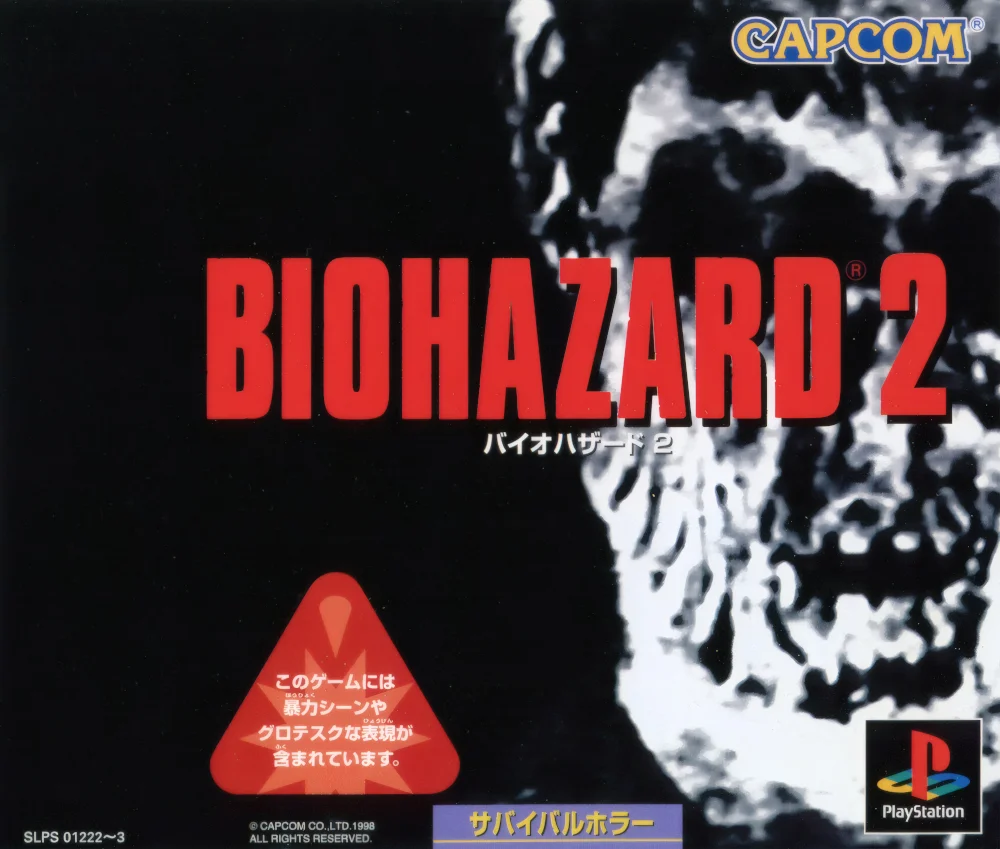
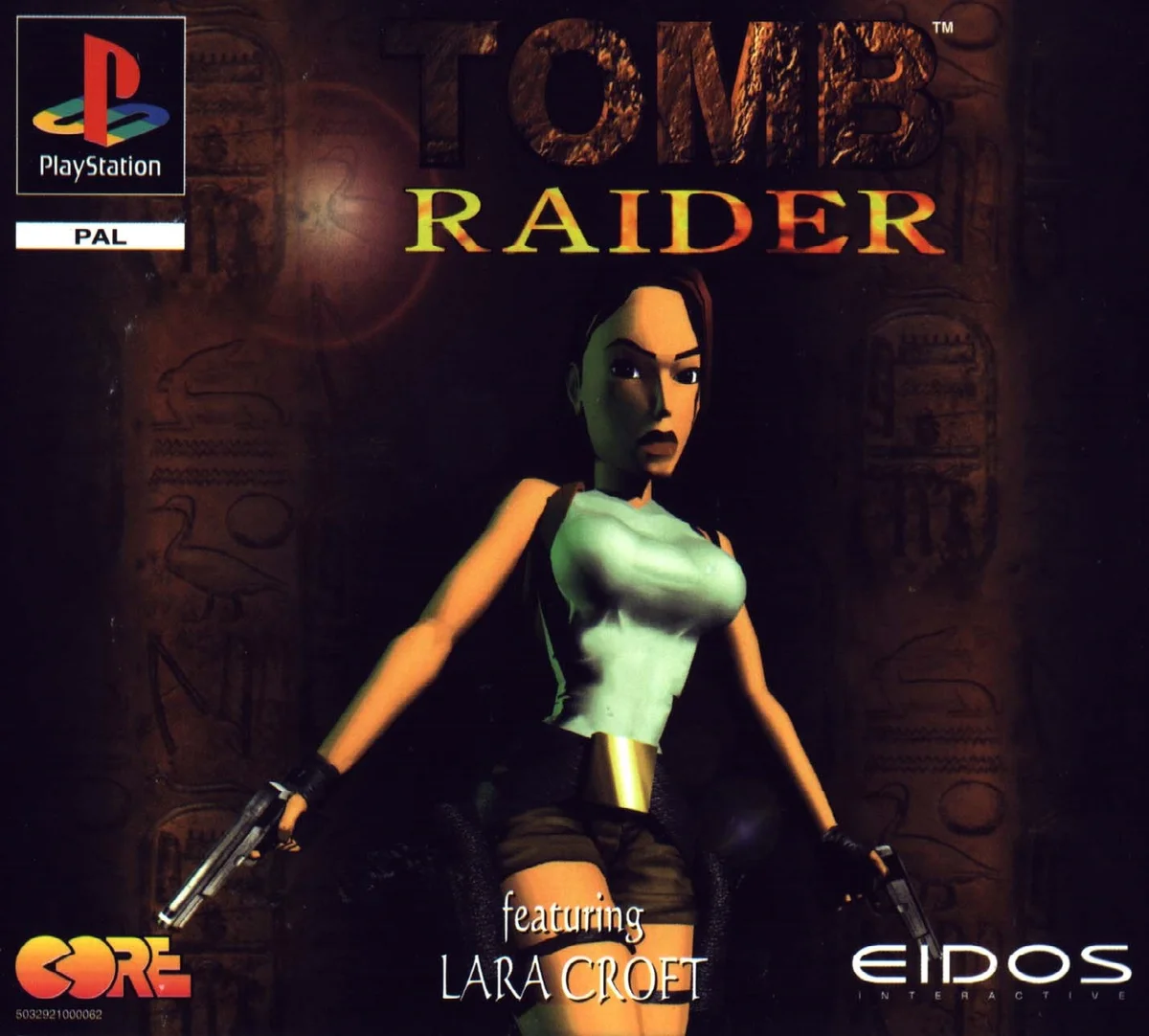
A PlayStation room need not be drawn entirely in real time. Resident Evil 2 places moving characters against fixed views; Tomb Raider makes the room itself something to measure and cross. Final Fantasy VII changes presentation as it moves between exploration, combat and filmed sequences. Each asks the player to read space differently.
These choices make the library more interesting than a simple march towards greater visual detail. A fixed camera can conceal danger. A narrow route can make a jump legible. The games expose decisions about what should be visible and what the player should control.
Sources for this section4 references
- PlayStation history: 1994 ↗Sony Interactive Entertainment · Accessed 2026-10-27
3 December 1994 Japanese launch and the shift to CD-ROM and 3D.
- Resident Evil 2 ↗Capcom / GOG · Accessed 2026-10-27
Current reissue of the original PC conversion. Reproduces the 1998 description but lists 1999 for this PC edition; neither date describes the 2019 remake.
- Tomb Raider ↗Crystal Dynamics · Accessed 2026-10-27
Rights-holder chronology identifies the 1996 game and Core Design. The current publisher label is not used as the original Eidos publishing credit.
- FINAL FANTASY VII ↗Square Enix / Steam · Accessed 2026-10-27
Current Windows product listing for the original story with additional convenience features. Separate from Final Fantasy VII Remake and Rebirth.
Storage and the visible seams
CD-ROM provided room for recorded audio and video, but reading a disc and drawing a frame remained different tasks. PlayStation also had limits on memory and texture mapping. Copetti’s hardware analysis explains the moving texture distortions visible in many games; they are part of the renderer’s compromises, not evidence that every surviving console is faulty.
Loading screens and changes of viewpoint often mark the seams between spaces. Sometimes the pause interrupts a run; sometimes it becomes part of the pacing. Evaluate the particular game before treating every hardware constraint as either a flaw or a source of atmosphere.
Sources for this section1 reference
- PlayStation Architecture ↗Rodrigo Copetti · Accessed 2026-10-27
Original hardware analysis, including memory, CD subsystem, graphics limitations, video standards and regional authentication.
The pad changed during the generation
The original PlayStation controller had no analogue sticks. Sony dates Dual Analogue and DualShock to 1997 in its hardware history. Earlier games were built around digital controls; later software could make the sticks part of its basic design.
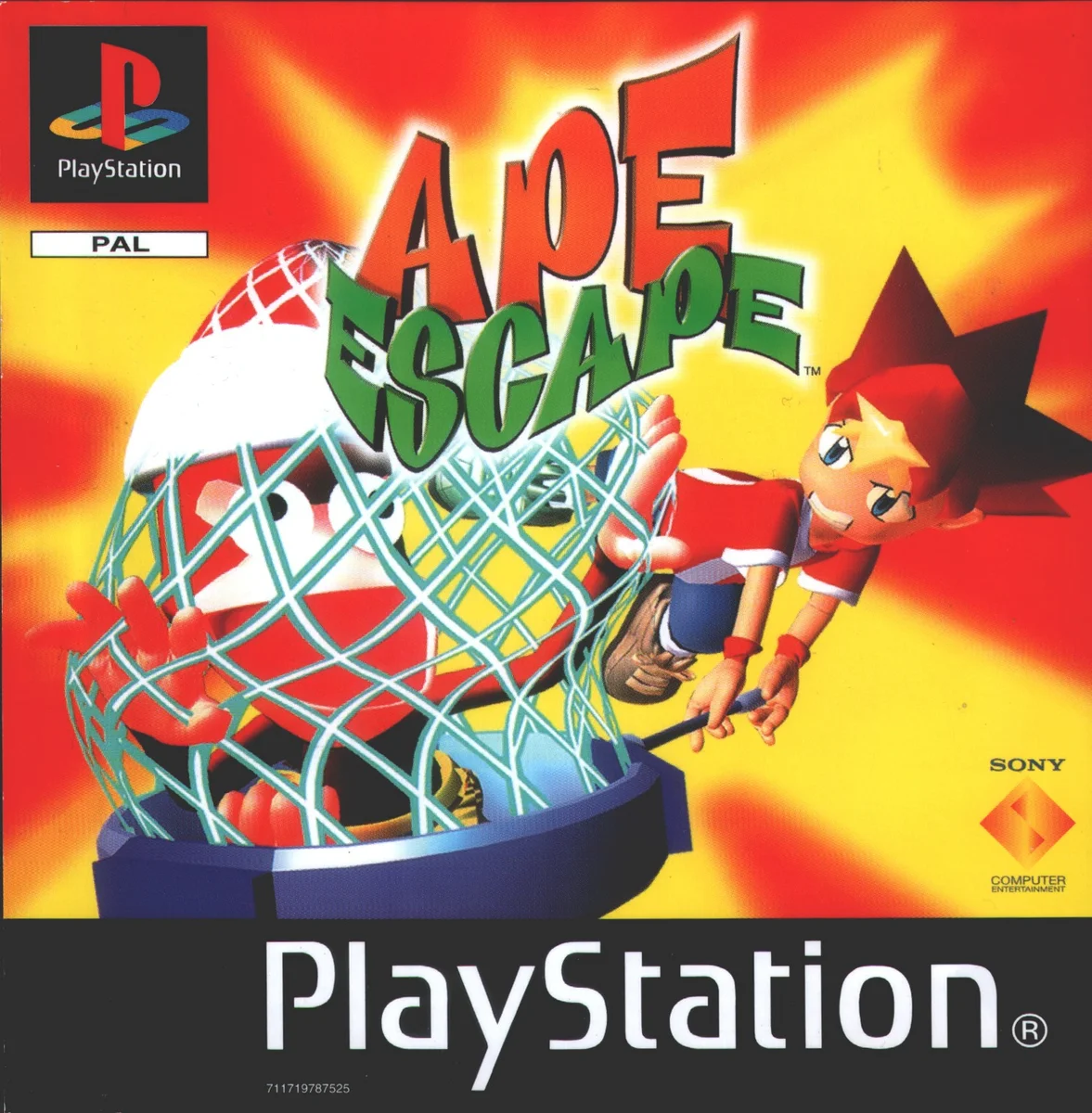
Ape Escape is a useful boundary case because its original edition requires an analogue controller. Its tools give the second stick work beyond moving a camera. Check this requirement before assembling an original setup; the modern PS4/PS5 conversion supports those consoles’ controllers.
Sources for this section2 references
- PlayStation history: 1994 ↗Sony Interactive Entertainment · Accessed 2026-10-27
3 December 1994 Japanese launch and the shift to CD-ROM and 3D.
- Ape Escape ↗Sony / PlayStation Store UK · Accessed 2026-10-27
Live UK PS4/PS5 conversion with rewind and quick saving. The original’s analogue-control requirement is documented separately by Sony’s hardware history.
A familiar name can hide a different game
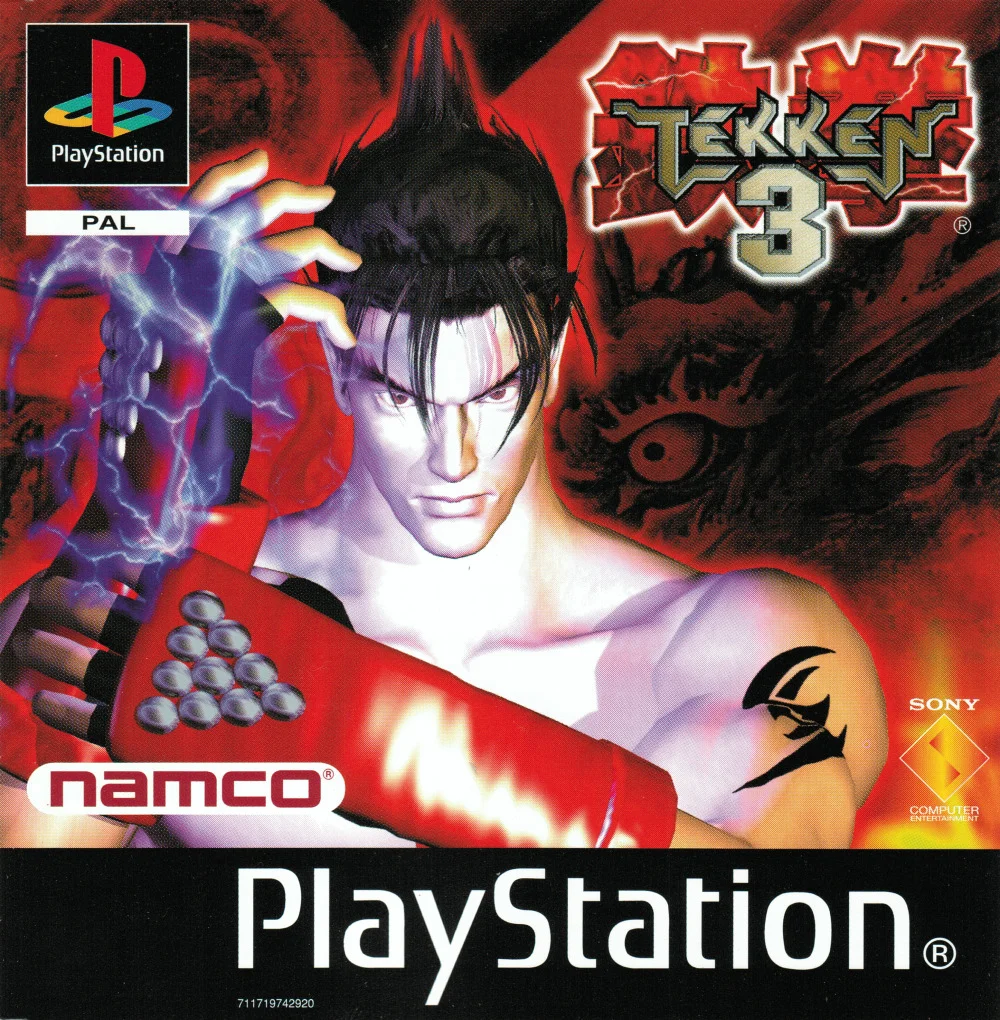
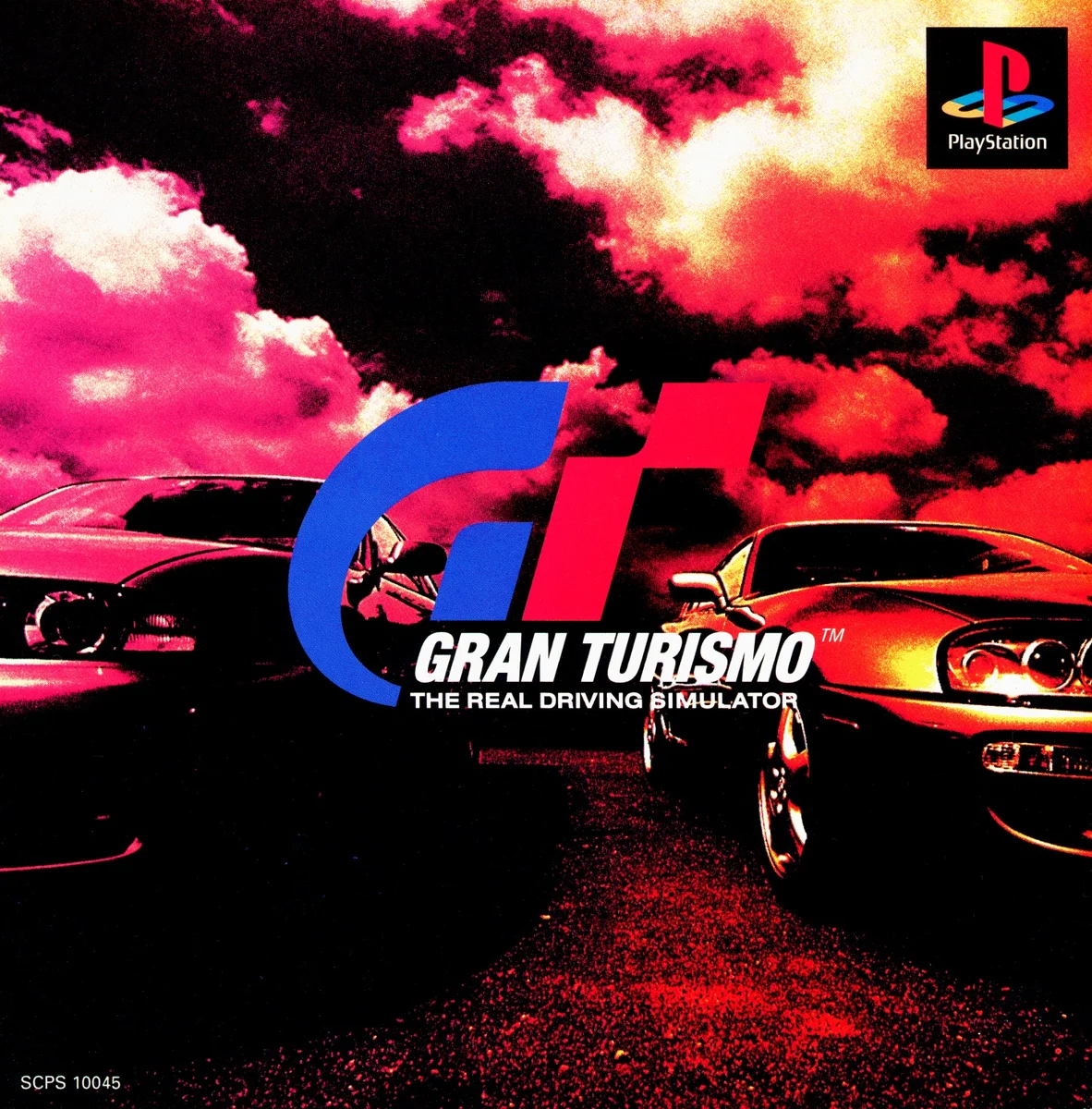
Tekken 3 began in arcades before its 1998 PlayStation conversion. Gran Turismo’s Japanese debut precedes its overseas editions. Those dates belong to individual releases, even when a modern storefront puts one year beside the title.
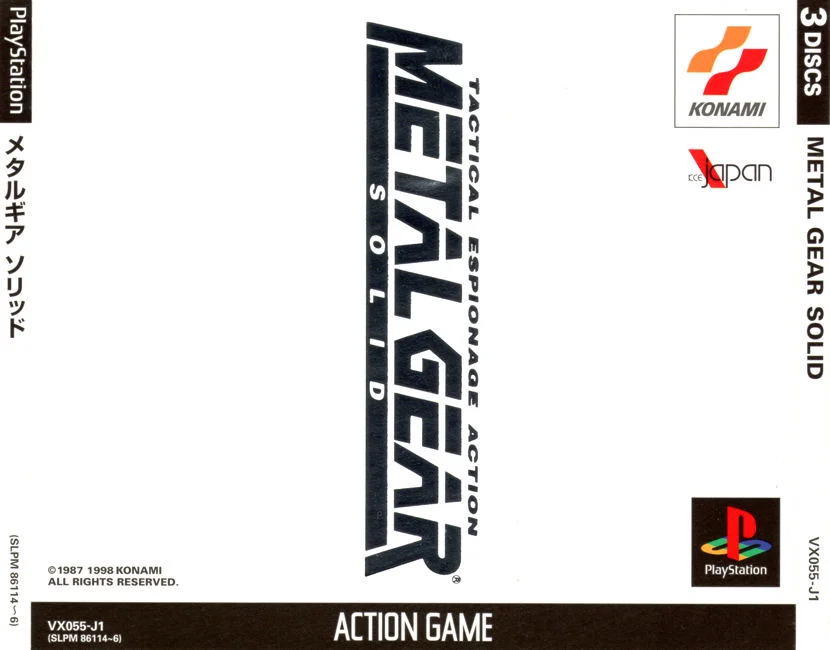
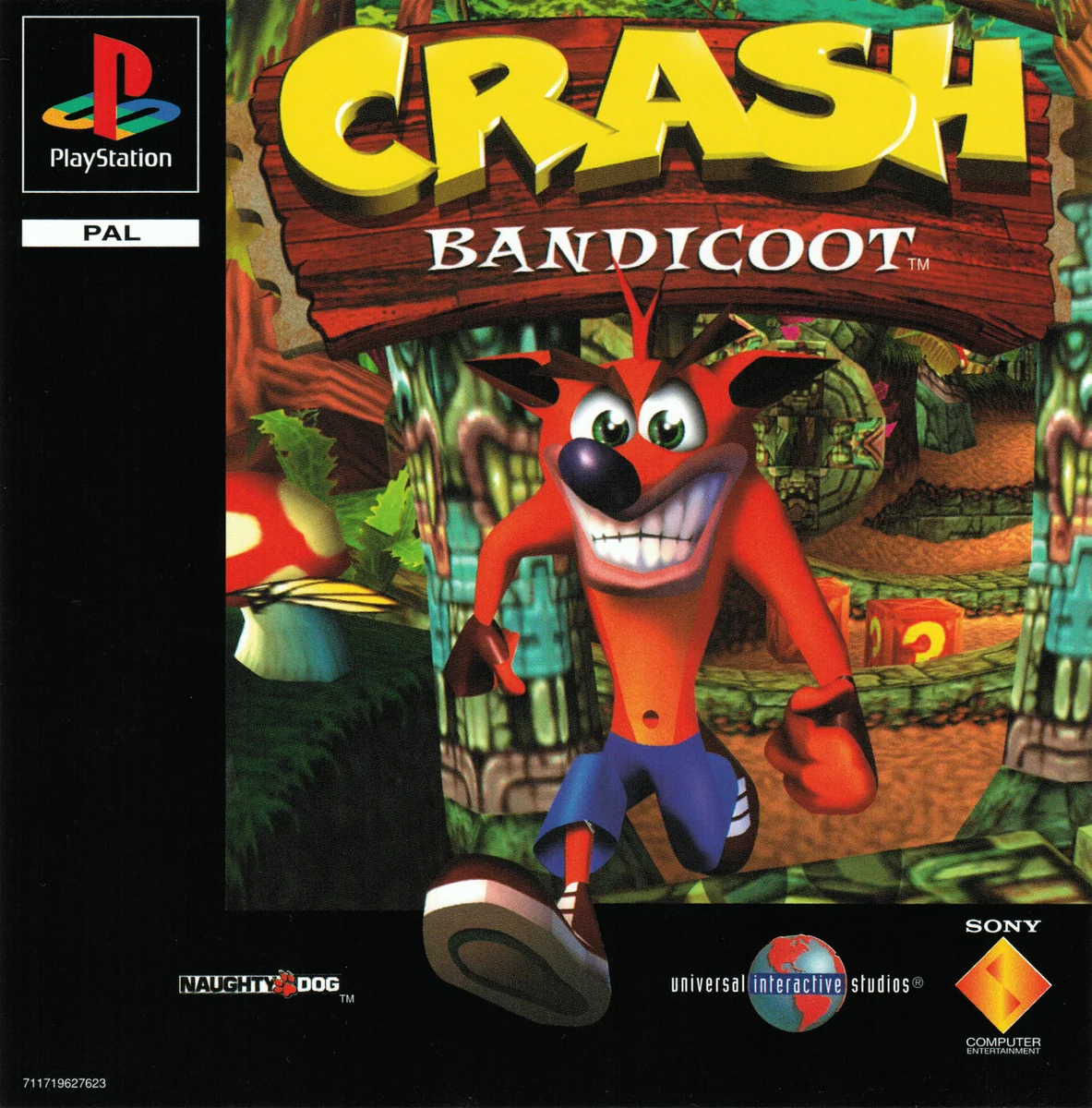
For a first visit, a supported rerelease may be more practical than original hardware. Identify what it contains: Metal Gear Solid in Master Collection, the original PC Resident Evil 2 on GOG, or the rebuilt Crash trilogy. The Final Fantasy VII Remake series is separate from the 1997 game.
Sources for this section6 references
- Extended Play: How Tekken 3 made everybody love kung-fu fighting ↗PlayStation Blog / Katsuhiro Harada interview · Accessed 2026-10-27
Participant interview on Namco’s home conversion. Introduction separates arcade 1997 and PlayStation 1998; a later passage conflates the 1996 test with release. No exact arcade day is inferred.
- Gran Turismo ↗Polyphony Digital / Sony · Accessed 2026-10-27
Japanese original dated December 1997, with car collecting and tuning. UK localisation differs by one day; retain year precision. Modern corporate credits are not used to rename the original development team.
- METAL GEAR SOLID: MASTER COLLECTION Vol.1 ↗Konami · Accessed 2026-10-27
Includes Metal Gear Solid and regional VR/Special Missions. Regional versions are additional downloads; collection content should not be confused with The Twin Snakes.
- Resident Evil 2 ↗Capcom / GOG · Accessed 2026-10-27
Current reissue of the original PC conversion. Reproduces the 1998 description but lists 1999 for this PC edition; neither date describes the 2019 remake.
- Crash Bandicoot N. Sane Trilogy: First Screens, In-Depth Details ↗Dan Tanguay / Vicarious Visions / PlayStation Blog · Accessed 2026-10-27
Developer explains rebuilt gameplay and unified saving. Evidence that the later trilogy is a reconstruction, not identical original code.
- FINAL FANTASY VII ↗Square Enix / Steam · Accessed 2026-10-27
Current Windows product listing for the original story with additional convenience features. Separate from Final Fantasy VII Remake and Rebirth.