Inside Midgar
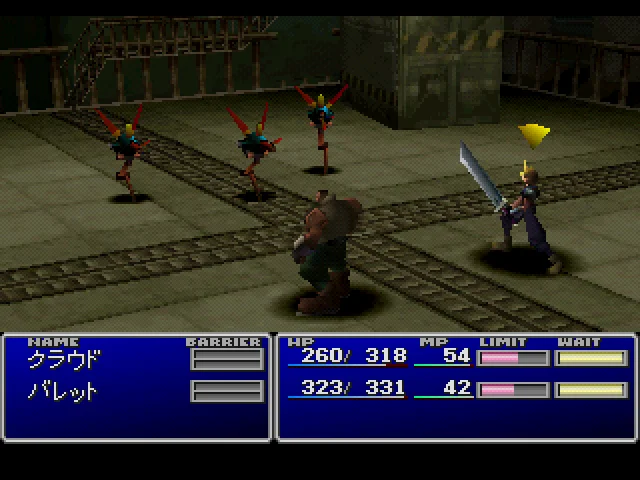
Midgar gives the opening a sense of place before the world map widens the journey. Its painted backgrounds make the city dense with pipes, signs and machinery, while the small figures moving through them leave much to the dialogue. Materia makes the party flexible: changing the objects in a weapon can change a character’s job. The frequent battles can interrupt the story, but they also give those equipment choices time to develop.
Pictures, polygons and Materia
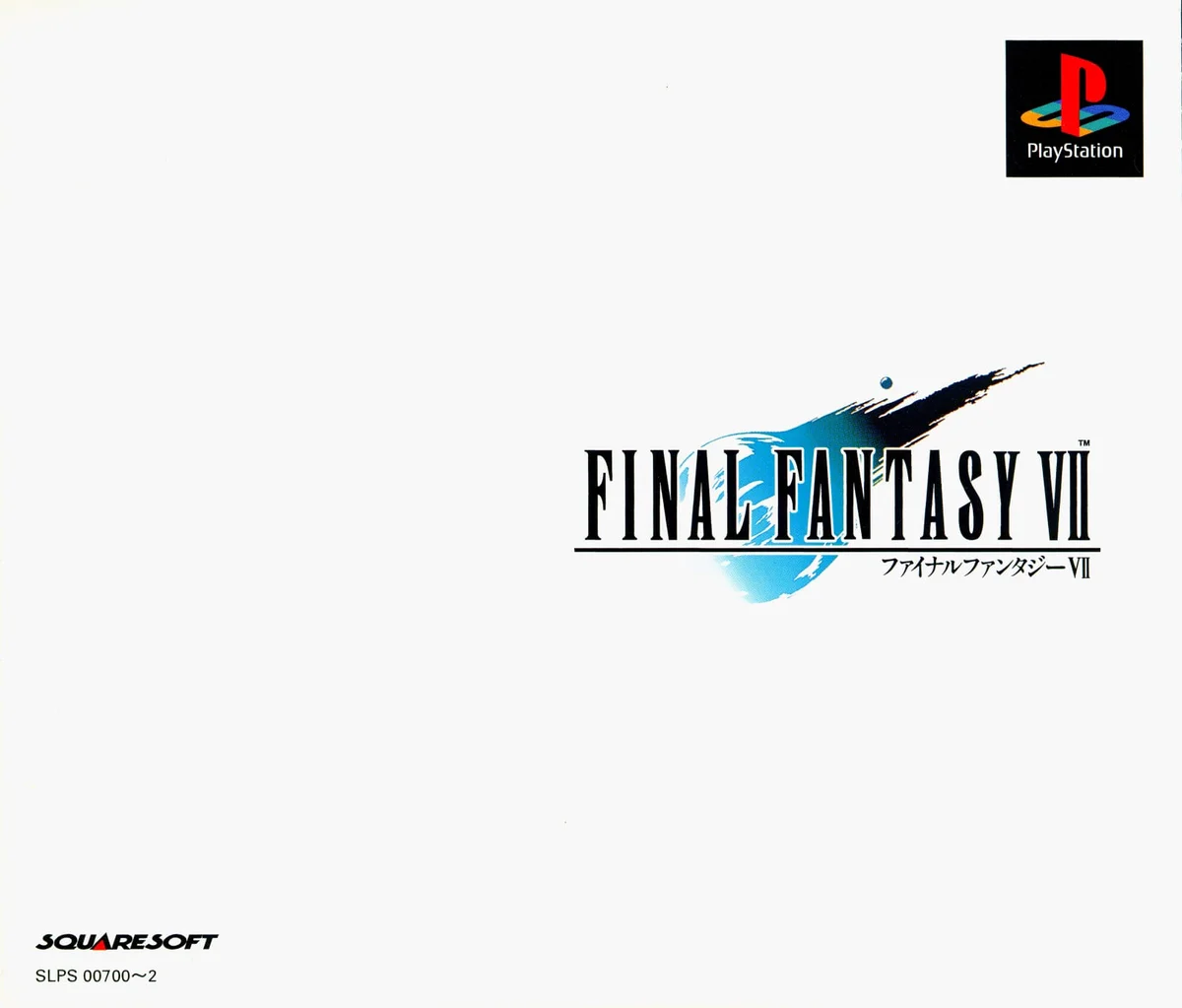
Square dates the Japanese PlayStation release to January 1997 and the International revision to October. Real-time characters, rendered backgrounds and film sequences share the presentation. The shift to polygons did not require every screen to become a freely explorable 3D space; the fixed views remain central to the way this game tells its story.
Experiment with linked Materia slots and read what a new ability does before assigning it permanently. A modern speed option is useful for repetition, though leaving it off during a new scene helps preserve the timing of the animation and text.
Why we chose it for PlayStation
Materia and a changing party give the long journey room to develop beyond its film sequences.
Explore this console’s game selection ↗Release record
Original worldwide release: 1997. Release records above identify the console editions covered by this collection.
Sources and further reading3 references
- ファイナルファンタジーVII ↗Square Enix · Accessed 2026-10-27
Japanese original and International release dates, separately from later ports.
- FINAL FANTASY VII ↗Square Enix / Steam · Accessed 2026-10-27
Current Windows product listing for the original story with additional convenience features. Separate from Final Fantasy VII Remake and Rebirth.
- PlayStation history: 1994 ↗Sony Interactive Entertainment · Accessed 2026-10-27
3 December 1994 Japanese launch and the shift to CD-ROM and 3D.