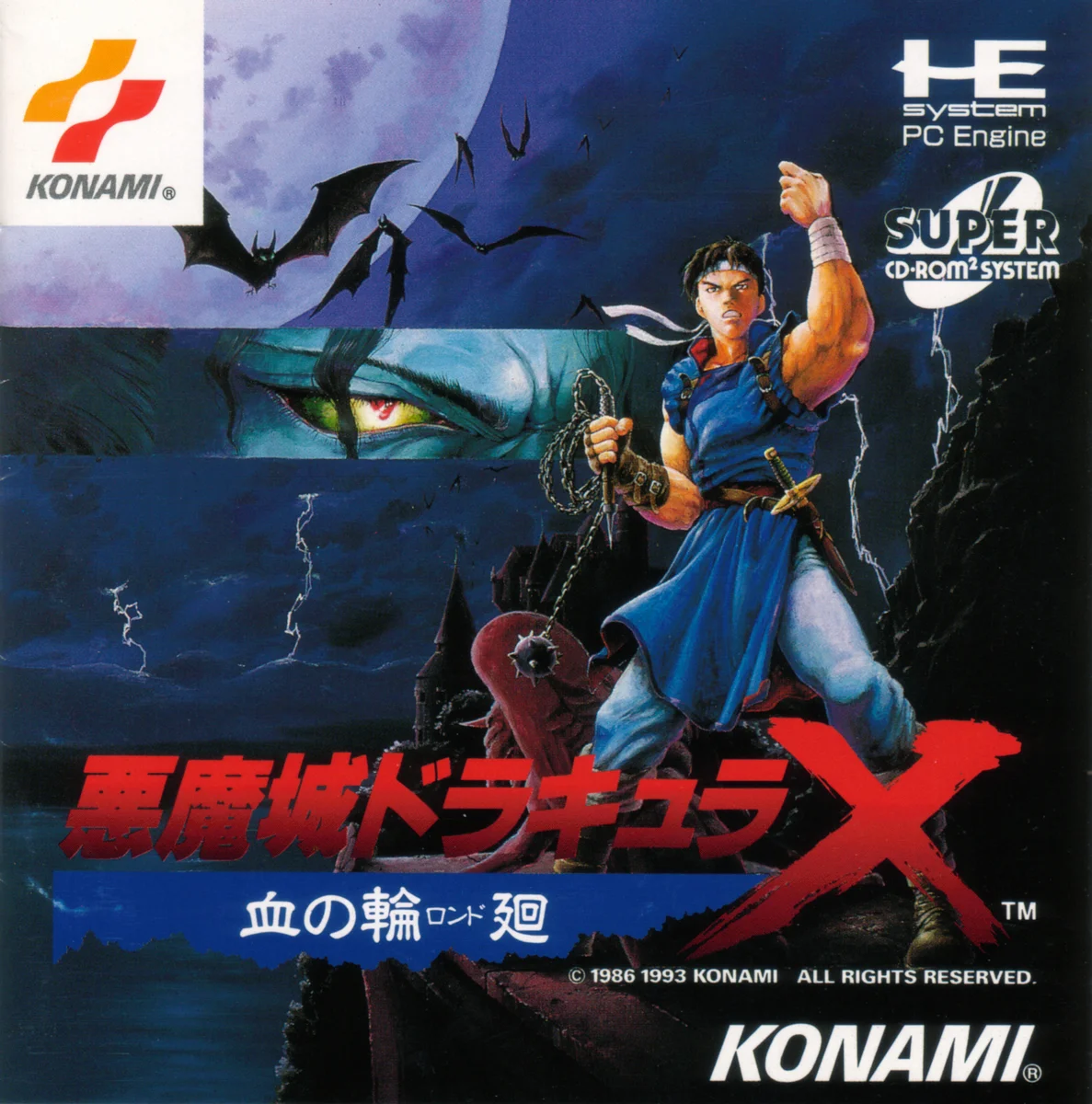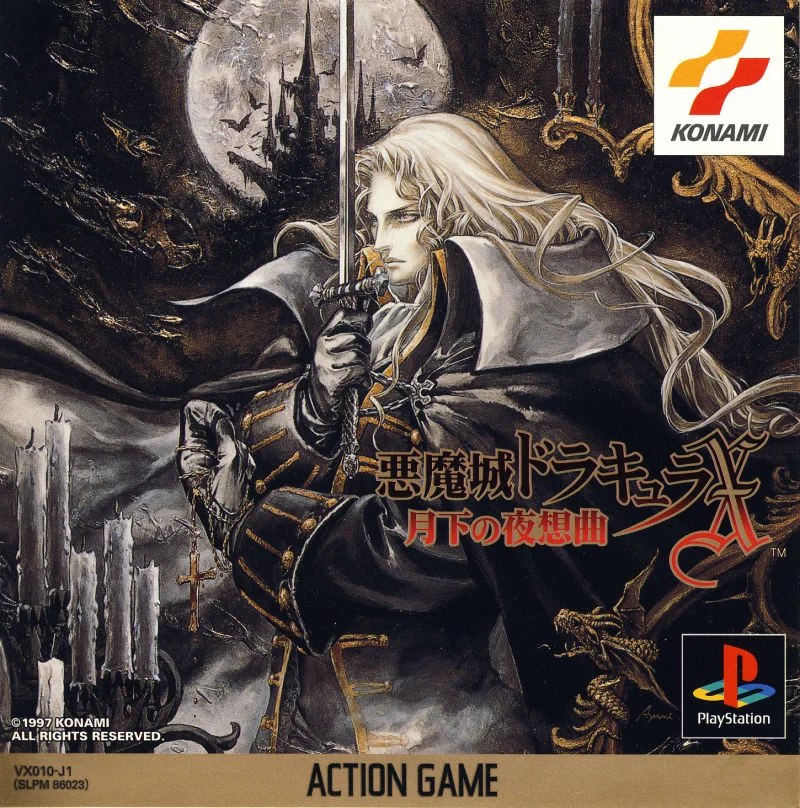
Remember that doorway
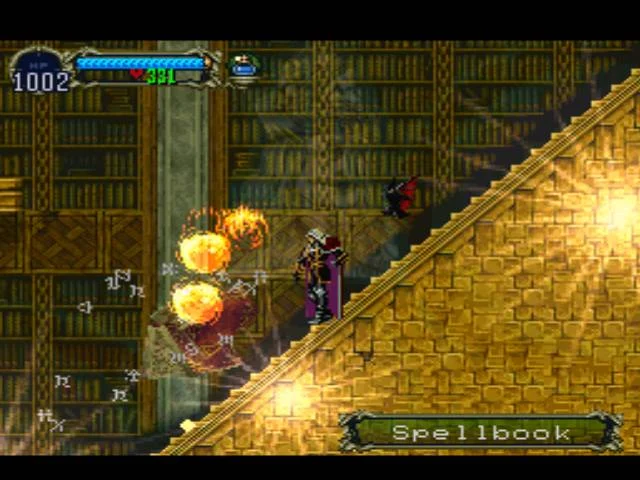
The map gives wandering a purpose. A gap too wide to cross or a suspicious wall can sit in memory until a later ability supplies an answer. Equipment and levels make combat forgiving enough to keep the exploration moving, sometimes at the expense of a consistent challenge. The reward is a castle that feels increasingly legible, with music and animation giving individual rooms an identity beyond their position on the map.
Mark an inaccessible route mentally and return when your movement changes. There is little need to optimise every statistic on a first visit. Exploring a room slowly is often more useful than repeatedly defeating the same nearby enemy.
A 2D castle in 1997
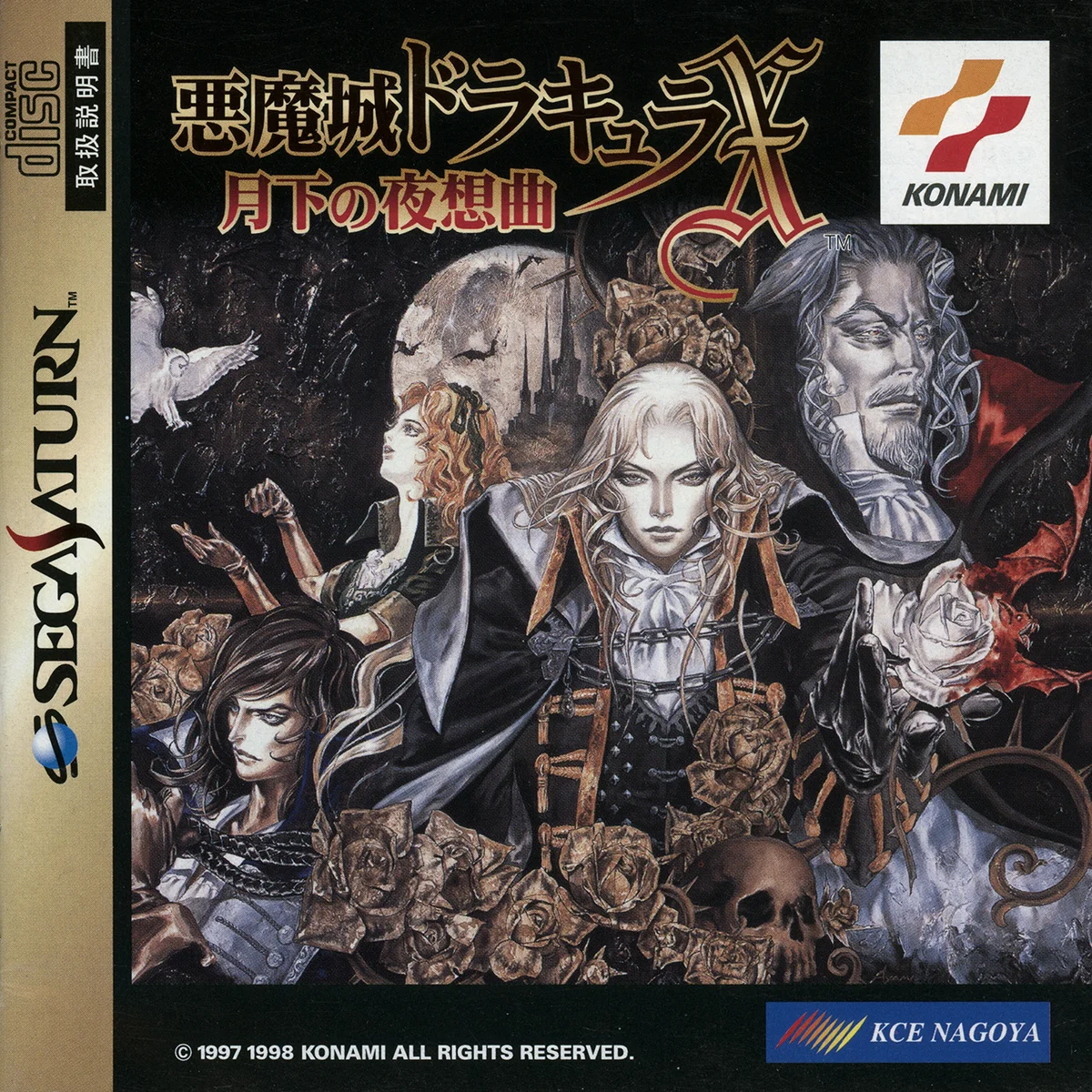
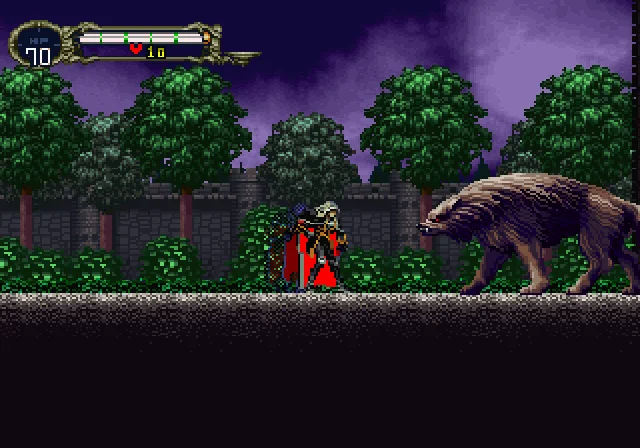
The Japanese PlayStation edition dates to 1997; Konami separately records a Saturn version in 1998. GameSpot’s contemporary review praised its 2D presentation and exploration. It belongs in this chapter because the arrival of polygon hardware did not exhaust the possibilities of illustrated characters and side-on movement.
Why we chose it for PlayStation
The castle rewards memory and return visits, showing how much exploration a 2D game could still offer.
Explore this console’s game selection ↗Release record
Original worldwide release: 1997. Release records above identify the console editions covered by this collection.
Sources and further reading3 references
- 悪魔城ドラキュラX 月下の夜想曲 ↗Konami · Accessed 2026-10-27
Separates Japanese PlayStation release in 1997 from the 1998 Saturn version. The extra Saturn release is recorded without adding a Saturn ranking.
- Castlevania: Symphony of the Night Review ↗GameSpot · Accessed 2026-10-27
Contemporary review dated 20 November 1997. Used for the reception of 2D exploration during the move towards 3D, with the judgement attributed.
- Castlevania Requiem: Symphony of the Night & Rondo of Blood ↗Konami / PlayStation Store UK · Accessed 2026-10-27
Live UK PS4 product listing checked for Rondo of Blood. This is a later collection, not the original Japanese disc release.