The arcade sets the pace
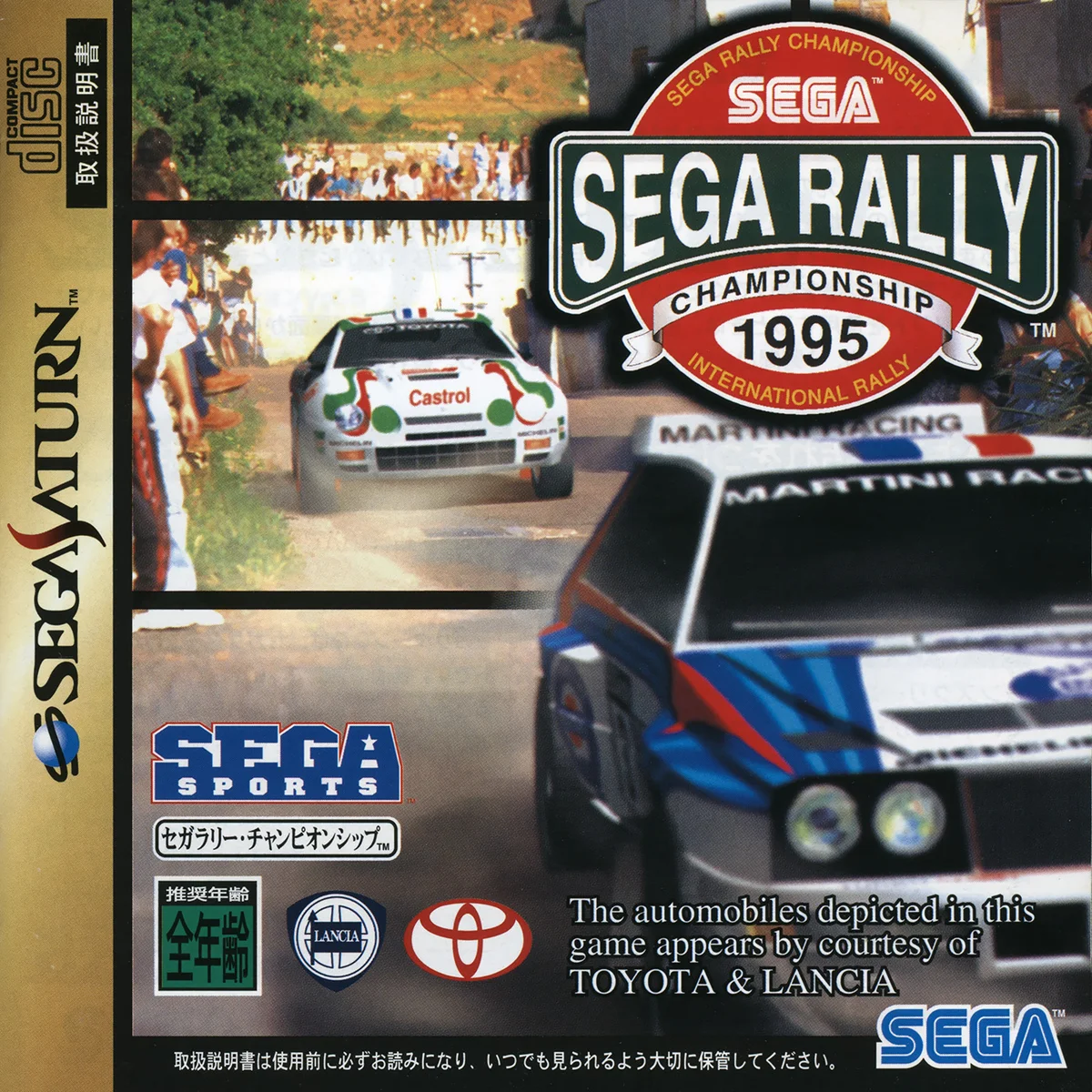
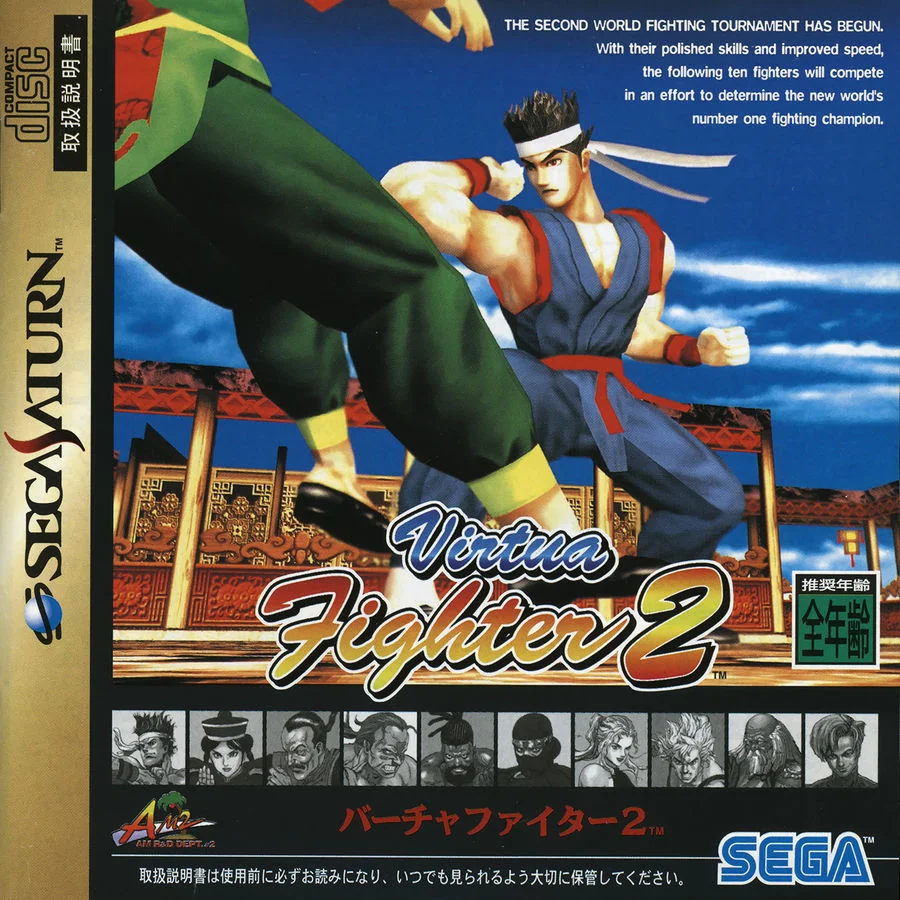
Virtua Fighter accompanied the Japanese hardware launch. Its sequel and Sega Rally brought later arcade work to the same console, each with compromises and priorities of its own. Their short rounds and repeatable courses make a useful entrance to a library that also contains long adventures.
A good way to approach Saturn is to compare what demands your attention. Virtua Fighter 2 asks you to judge distance before committing to an attack. Sega Rally makes a bend depend on the surface under the tyres. The machine’s appeal is easier to describe through these decisions than through a total of processors.
Sources for this section2 references
- 【連載】セガハードストーリー第5回 家庭用ゲーム機新時代の幕開け『セガサターン』 ↗Sega · Accessed 2026-10-27
Manufacturer retrospective: May 1995 North American launch, arcade conversions, expansion memory and differing regional fortunes. No single-cause account of commercial failure or loosely defined sales total is adopted.
- ソフトウェア一覧(セガ発売) ↗Sega · Accessed 2026-10-27
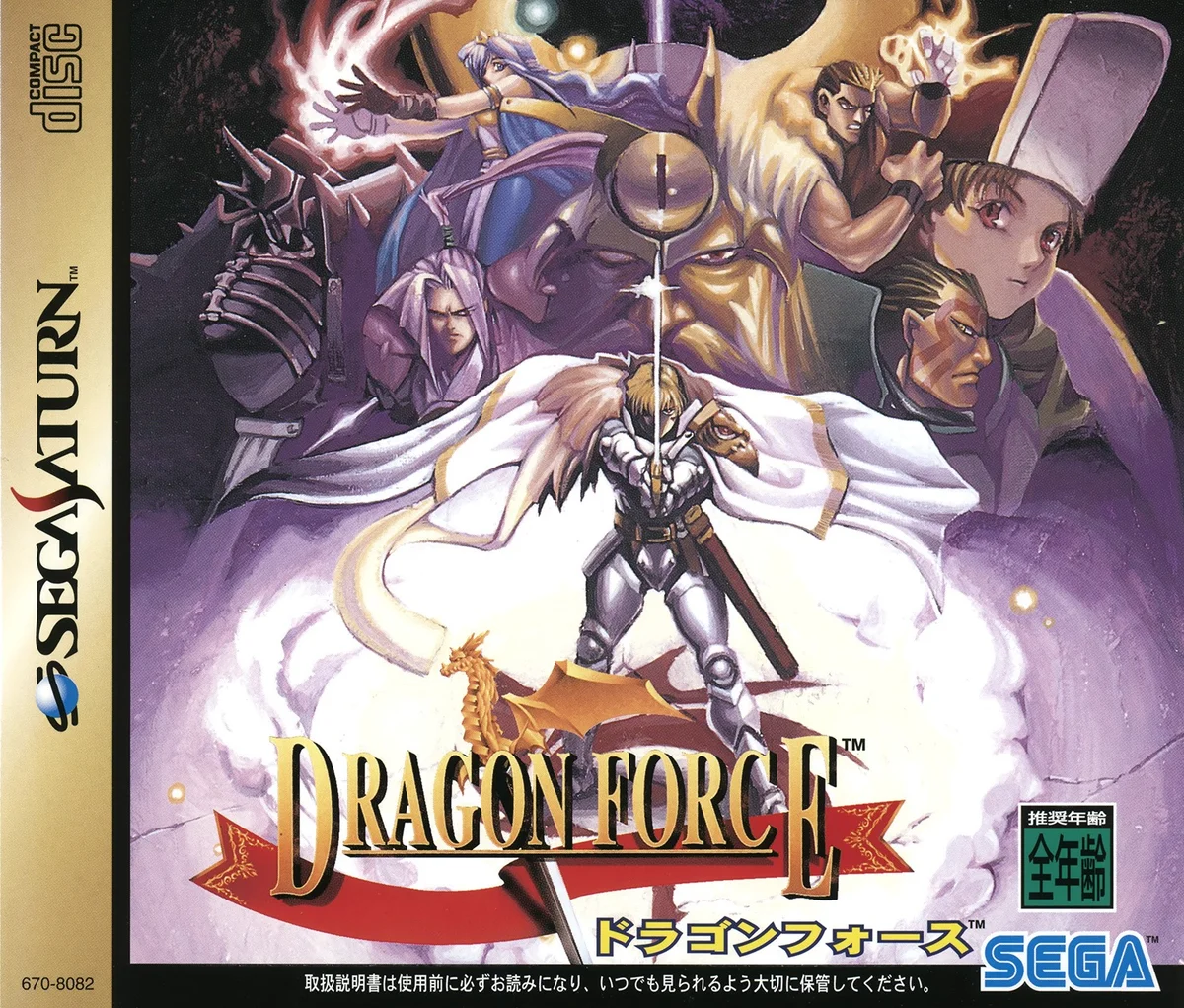
Japanese Saturn release calendar and accessory symbols. VF2 and Sega Rally: 1995; Guardian Heroes, Zwei, Dragon Force and NiGHTS: 1996; Azel: Panzer Dragoon RPG: 1998. Old storefront links are not current-access evidence.
Sharing the work
Saturn divides drawing between two video processors. VDP1 handles sprites and polygon-shaped surfaces; VDP2 supplies background planes and combines the image. The two main CPUs also require work to be organised across them. This provides several tools, but a specification sheet cannot show how well a particular game uses them.
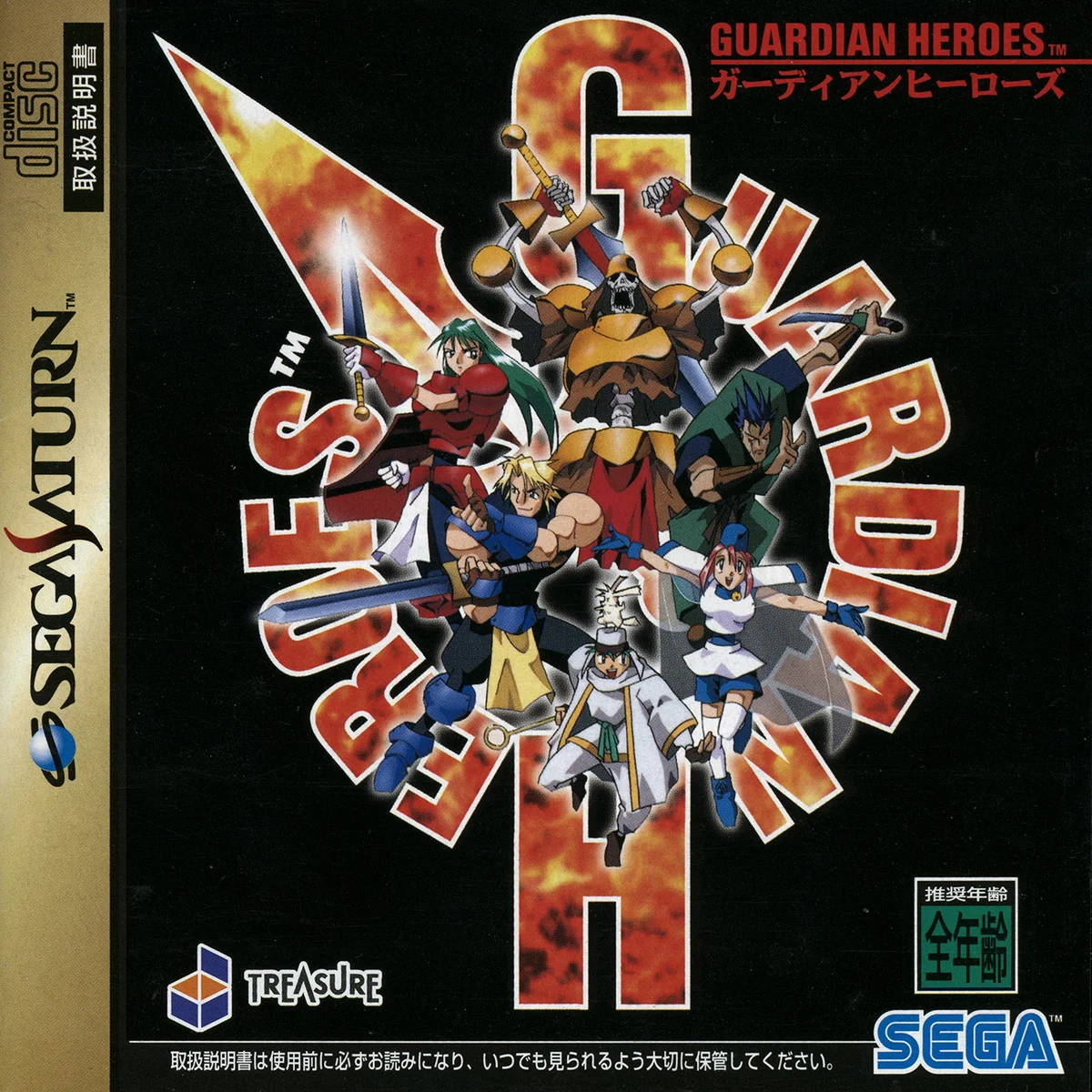
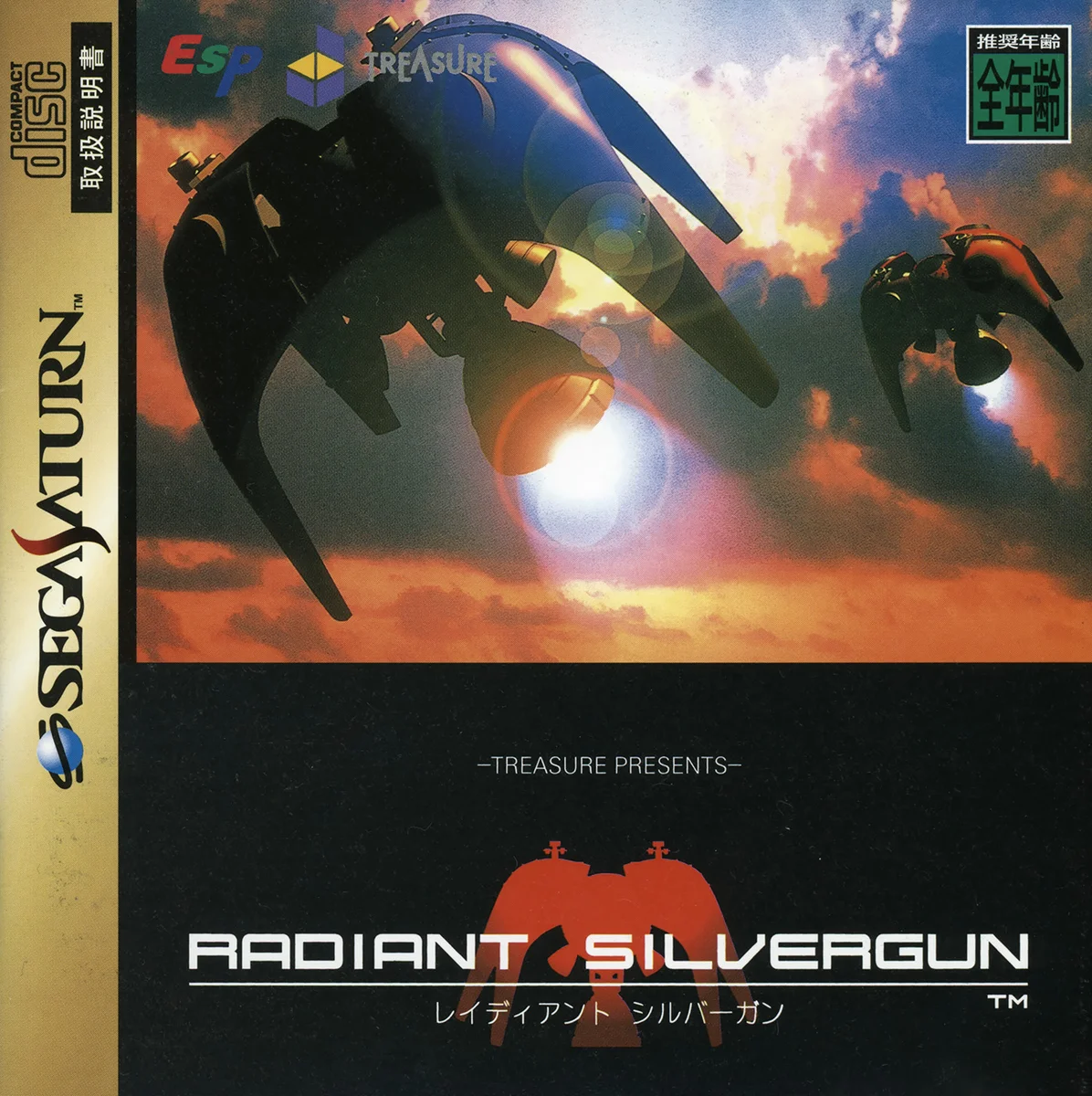
Guardian Heroes and Radiant Silvergun give the selection a different visual vocabulary from the fighting and racing games. Flat artwork, scrolling playfields and spatial effects continued to develop while polygons attracted attention. Calling this a 3D chapter should not make that work disappear.
Sources for this section3 references
- Sega Saturn Architecture ↗Rodrigo Copetti · Accessed 2026-10-27
Original hardware analysis of the two SH-2 processors, VDP1/VDP2, memory and video output. European introduction is retained at year precision; country-level retail evidence remains open.
- ソフトウェア一覧(セガ発売) ↗Sega · Accessed 2026-10-27
Japanese Saturn release calendar and accessory symbols. VF2 and Sega Rally: 1995; Guardian Heroes, Zwei, Dragon Force and NiGHTS: 1996; Azel: Panzer Dragoon RPG: 1998. Old storefront links are not current-access evidence.
- ソフトウェア一覧(ソフトライセンシー発売) ↗Sega · Accessed 2026-10-27
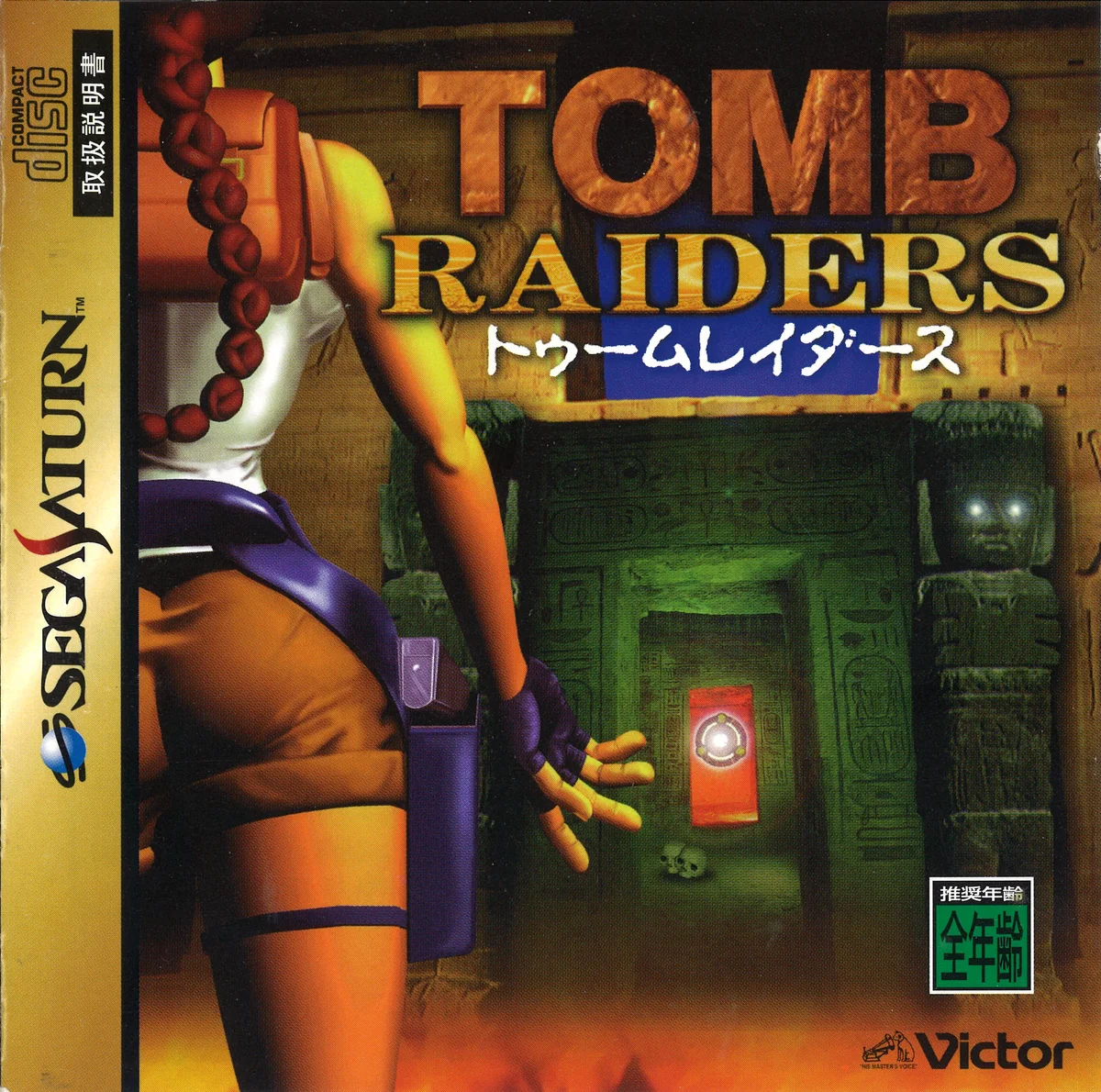
Japanese Saturn Bomberman (1996), Tomb Raiders (1997) and Radiant Silvergun (1998) records. The calendar describes these Japanese editions, not their first worldwide releases.
Several versions of the Saturn story
Sega’s retrospective places the North American introduction in May 1995 and describes a much stronger Japanese response than in its former overseas Mega Drive markets. It discusses hardware cost, the overlap with 32X and the software line-up. Those are factors in a regional business history, rather than proof that one announcement alone determined the outcome.
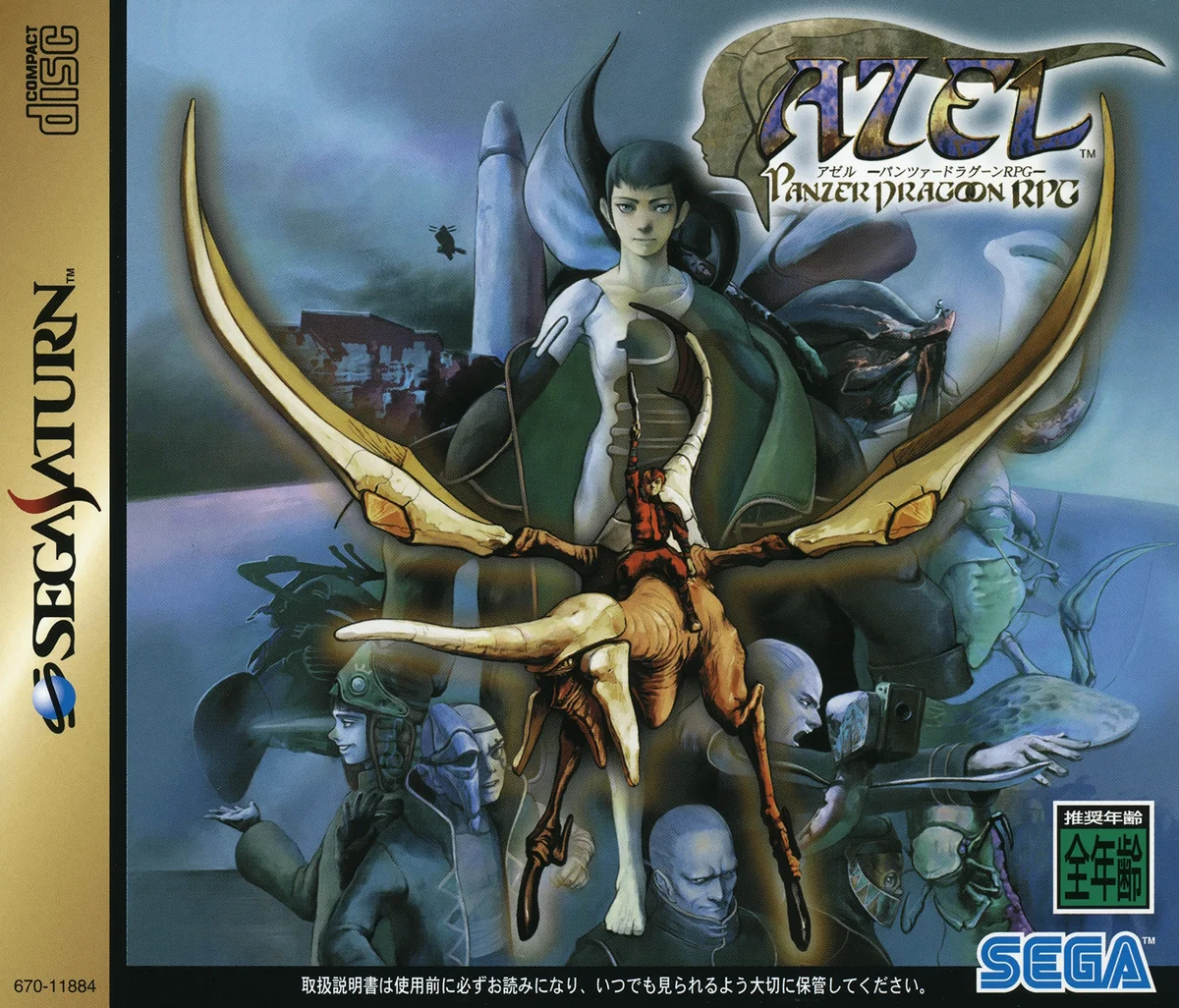
Japanese names and release years remain visible in the records below. Panzer Dragoon Saga appears in Sega’s catalogue as Azel: Panzer Dragoon RPG; Tomb Raider’s Japanese Saturn edition arrived after its 1996 debut elsewhere. A translated title is not evidence of a simultaneous release.
Sources for this section4 references
- 【連載】セガハードストーリー第5回 家庭用ゲーム機新時代の幕開け『セガサターン』 ↗Sega · Accessed 2026-10-27
Manufacturer retrospective: May 1995 North American launch, arcade conversions, expansion memory and differing regional fortunes. No single-cause account of commercial failure or loosely defined sales total is adopted.
- ソフトウェア一覧(セガ発売) ↗Sega · Accessed 2026-10-27
Japanese Saturn release calendar and accessory symbols. VF2 and Sega Rally: 1995; Guardian Heroes, Zwei, Dragon Force and NiGHTS: 1996; Azel: Panzer Dragoon RPG: 1998. Old storefront links are not current-access evidence.
- ソフトウェア一覧(ソフトライセンシー発売) ↗Sega · Accessed 2026-10-27
Japanese Saturn Bomberman (1996), Tomb Raiders (1997) and Radiant Silvergun (1998) records. The calendar describes these Japanese editions, not their first worldwide releases.
- Tomb Raider ↗Crystal Dynamics · Accessed 2026-10-27
Rights-holder chronology identifies the 1996 game and Core Design. The current publisher label is not used as the original Eidos publishing credit.
Match the disc and the equipment
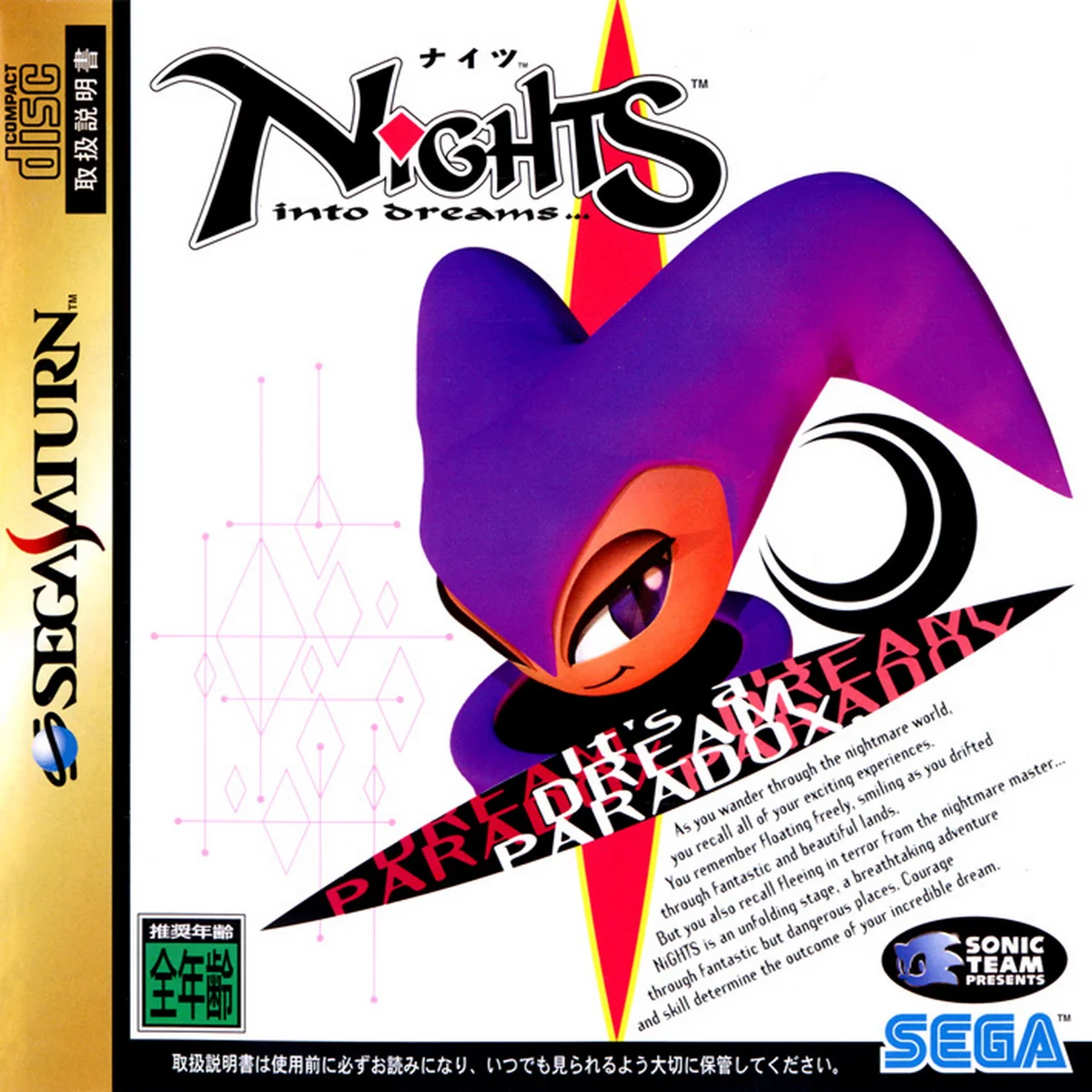
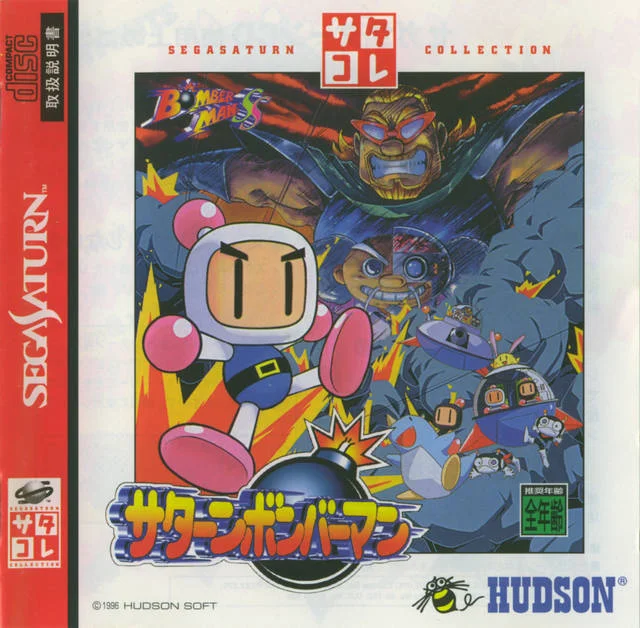
Start with the disc’s region and the controller it supports. NiGHTS can use a standard pad, with the analogue 3D Control Pad offering another way to trace its curves. Saturn Bomberman needs extra adapters for its larger local battles. Neither accessory is a blanket requirement for this collection.
The cartridge slot is not a route to Mega Drive backward compatibility. Memory expansions support particular Saturn games, while backup storage serves a different purpose. Check each release’s requirements; a later port should also be identified by name rather than treated as the original disc running unchanged.
Sources for this section3 references
- 【連載】セガハードストーリー第5回 家庭用ゲーム機新時代の幕開け『セガサターン』 ↗Sega · Accessed 2026-10-27
Manufacturer retrospective: May 1995 North American launch, arcade conversions, expansion memory and differing regional fortunes. No single-cause account of commercial failure or loosely defined sales total is adopted.
- ソフトウェア一覧(セガ発売) ↗Sega · Accessed 2026-10-27
Japanese Saturn release calendar and accessory symbols. VF2 and Sega Rally: 1995; Guardian Heroes, Zwei, Dragon Force and NiGHTS: 1996; Azel: Panzer Dragoon RPG: 1998. Old storefront links are not current-access evidence.
- Saturn Bomberman — Instruction Manual ↗Hudson Soft / Sega; scan preserved by Sega Retro · Accessed 2026-10-27
Original US manual: controls, normal/battle modes and up to ten players with two six-player adapters. Used as documentation; no page images are reproduced.