The number on the box
A console purchase in the early 1990s committed a household to a library. Sega encouraged buyers to treat that choice as a side to take. Its advertising made hardware loyalty part of the entertainment, even before anyone had pressed Start.
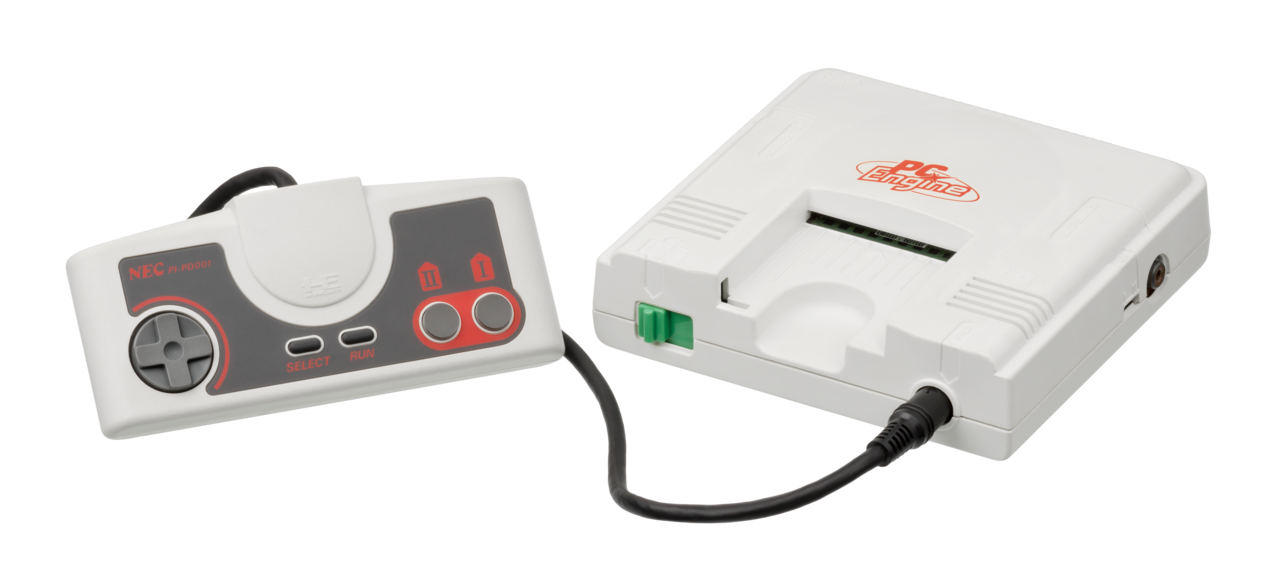
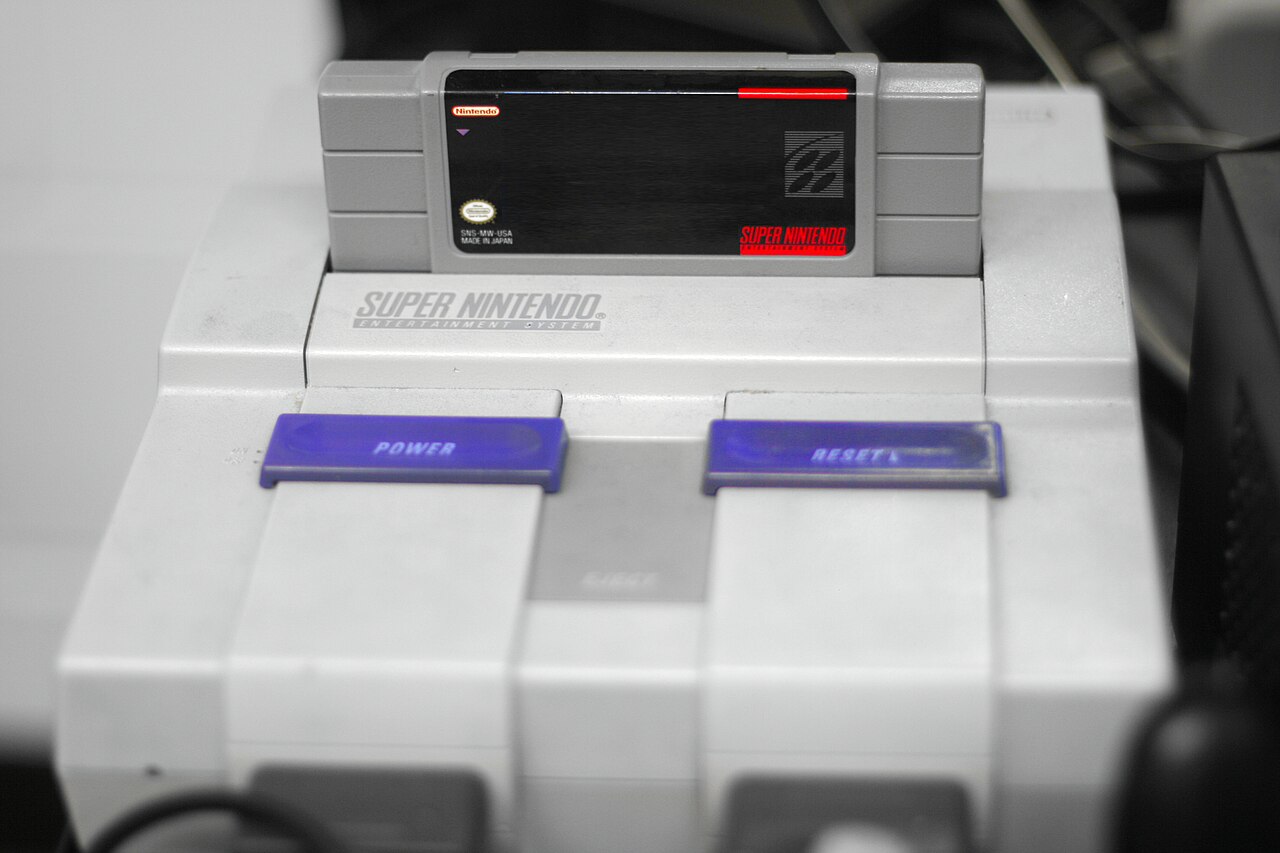
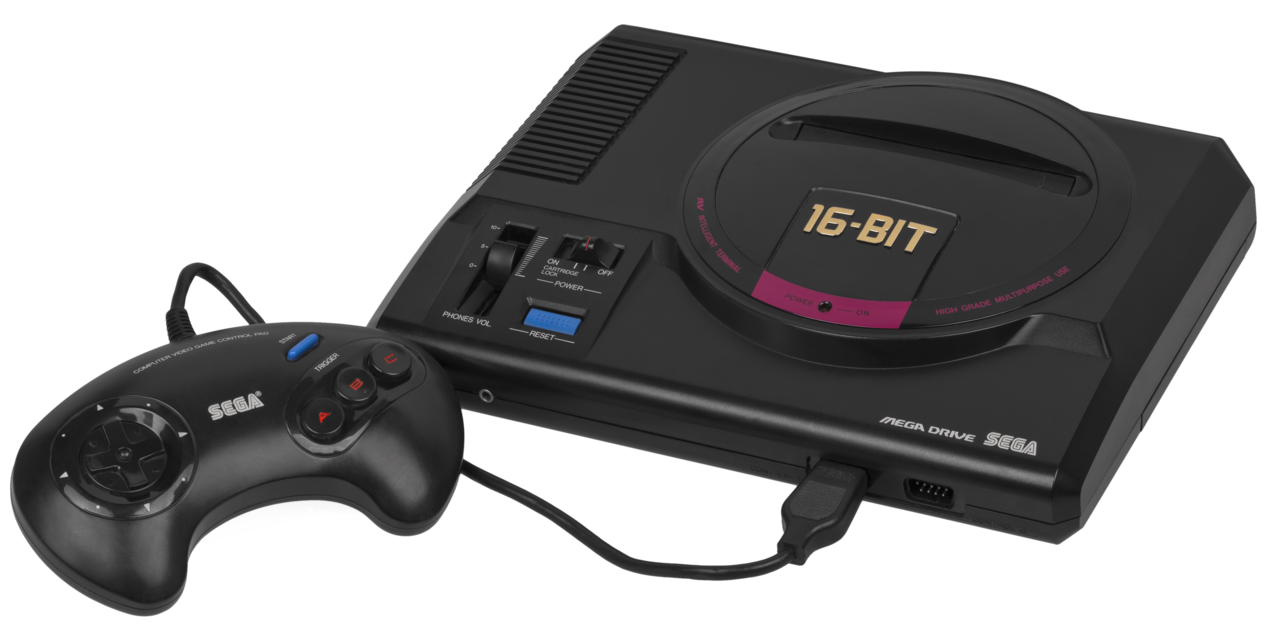
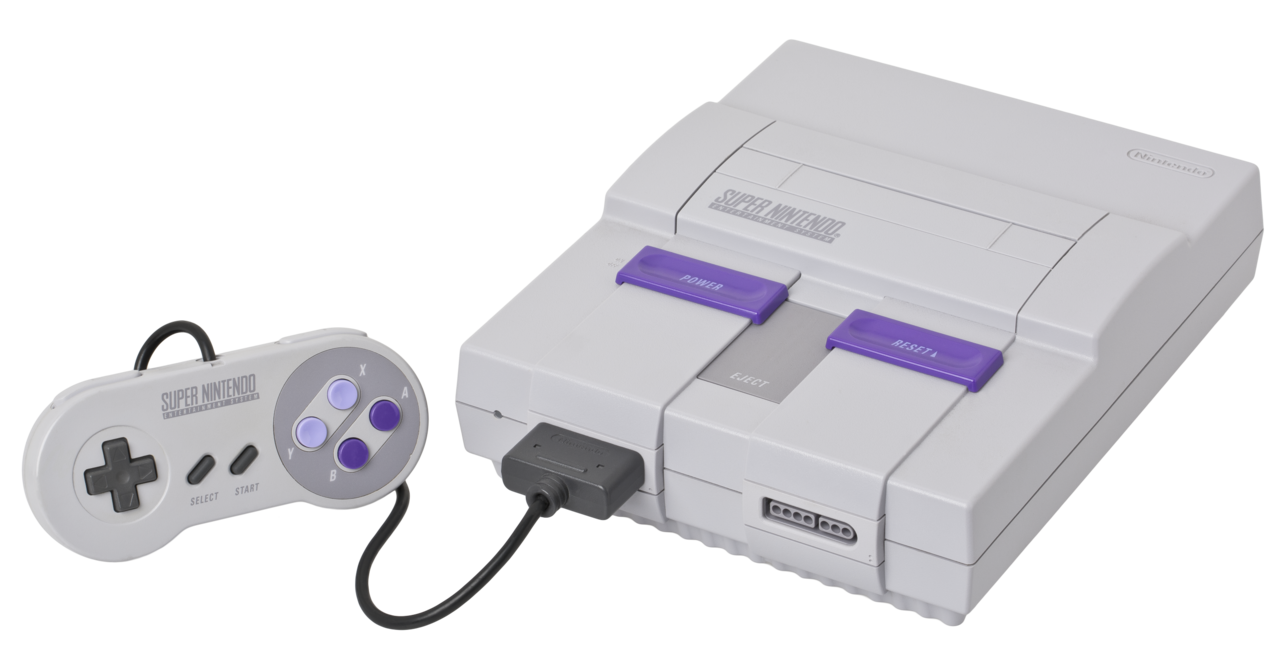
“16-bit” is a useful chapter title, but a poor universal technical description. The PC Engine paired an 8-bit CPU with dedicated video hardware. The Mega Drive and Super Nintendo also divided work between their components differently. That number on the packaging left a great deal unexplained. Hardware research: PC Engine, Super Nintendo.
Players could see the change in layered scenery and more expressive animation. Composers had new sounds to work with. The extra capacity mattered when a developer found something useful to do with it.
The rivalry had more than two sides
The Sega-versus-Nintendo account fits North America better than Japan. NEC and Hudson’s PC Engine arrived in Japan in 1987, a year before Sega’s Mega Drive and three years before Nintendo’s Super Famicom. The TurboGrafx-16 name and larger North American case belong to its later overseas release. Regional history, Nintendo chronology.
Sega’s own retrospective concedes that its domestic machine did not displace Nintendo and NEC. Its North American breakthrough and substantial European business therefore need separate treatment. “Europe” also compresses different release dates and distribution arrangements into one entry on a sales chart. Sega’s regional retrospective.
This archive records those regional introductions and qualifies its sales figures. A worldwide lifetime total answers a different question from a lead in one country during one Christmas; neither establishes the quality of the games.
Sega made speed a personality
Sega of America’s Tom Kalinske later described a plan to target older players with the Mega Drive, known locally as Genesis. Sports licences and direct attacks on Nintendo in advertising were part of it. He also recalls proposing Sonic as the bundled game alongside a lower price. These participant recollections explain the strategy, though they cannot independently verify its results. Kalinske interview.
Sonic made speed easy to demonstrate. Slopes and loops turned momentum into a spectacle, while his impatience gave the machine a useful advertising personality. That image can obscure the slower games in its library. Phantasy Star IV is hardly in a hurry to finish telling its story.
Sega gave buyers a reason to consider a different console, and a set of games with which to defend the purchase.
Nintendo built worlds worth staying in
Super Mario World makes its map an invitation to take a detour. A Link to the Past changes the meaning of familiar geography. Super Metroid sends the player back to an old room with an ability that opens a new route. Each uses the player’s knowledge of a place differently.
In a contemporary interview, Super Mario World’s team described testing the previous Mario game on the new hardware. It looked better, but it was still the same game. They wanted a reason for the player to notice the new hardware beyond the improved image. 1990 developer interview.
The Super Nintendo library also depended on other developers. Square’s RPGs sit beside Capcom’s fighters and Rare’s platform games. Our selection leaves space for those contributions rather than filling all ten places with Nintendo characters.
NEC, Hudson and SNK
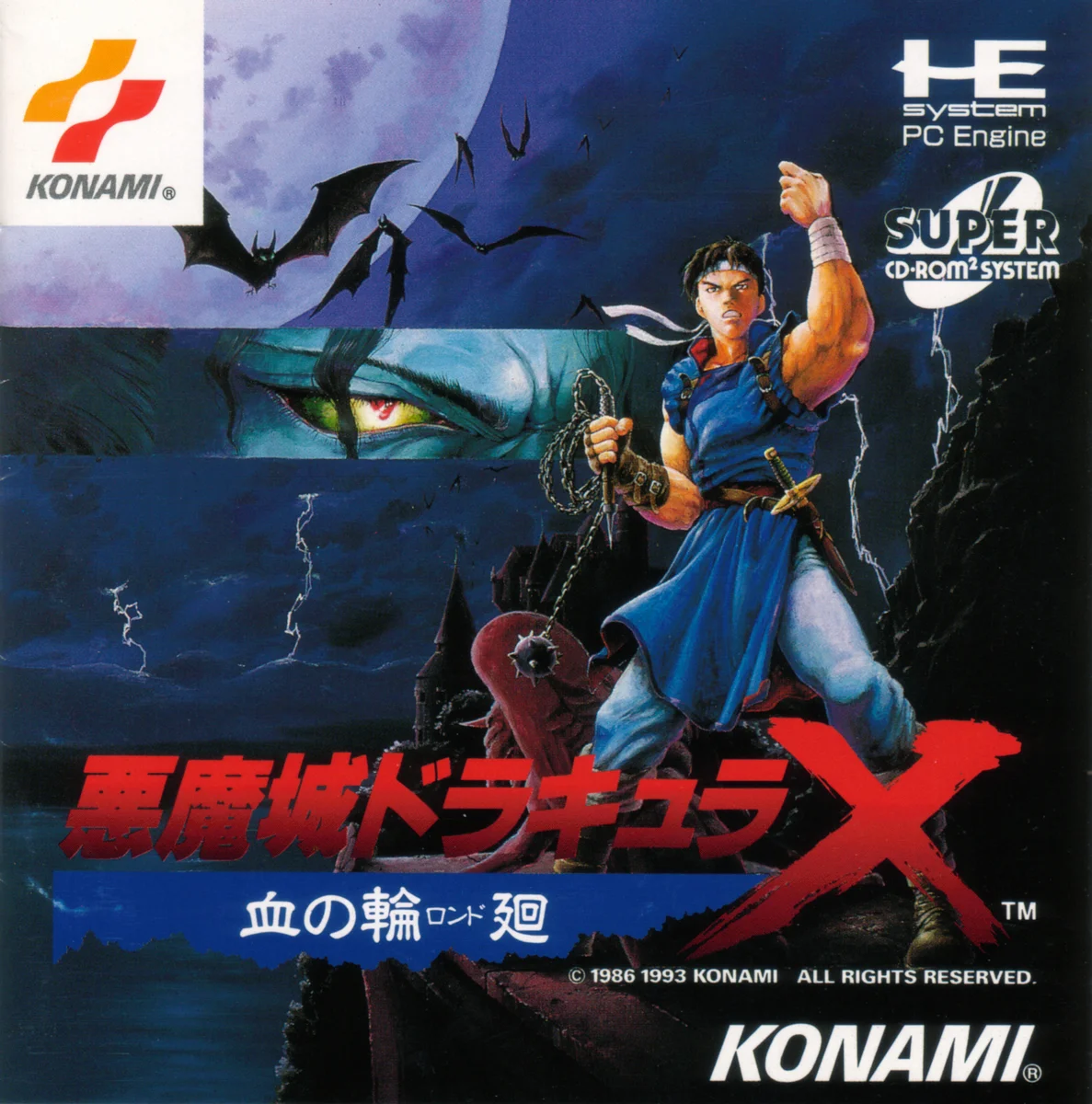
Expansion was part of NEC and Hudson’s plan for the PC Engine. In a 1987 interview, Hudson was already discussing CD media as a way to add recorded voices and more varied presentation. Some proposed peripherals remained proposals; the interview should be read with that distinction in mind. Hudson interviews.
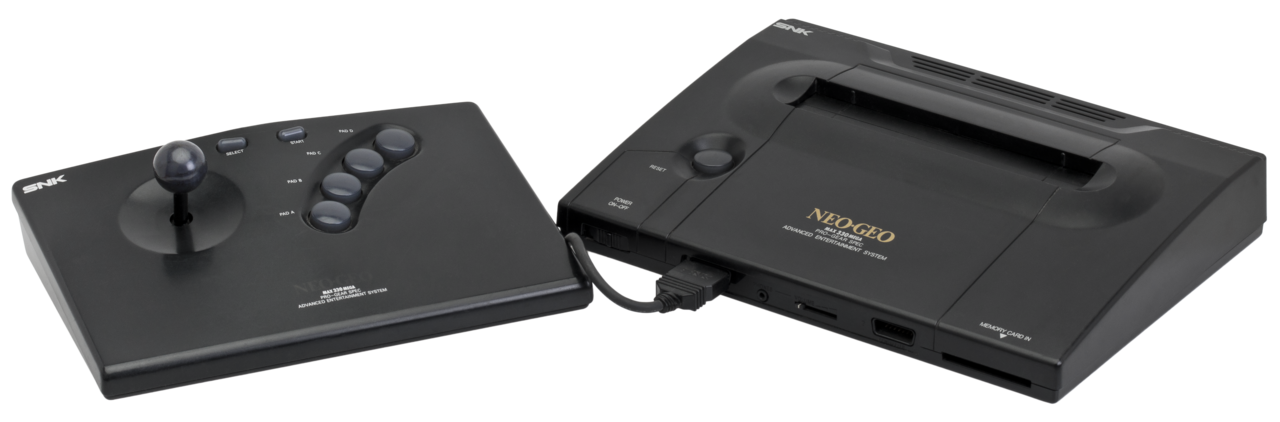
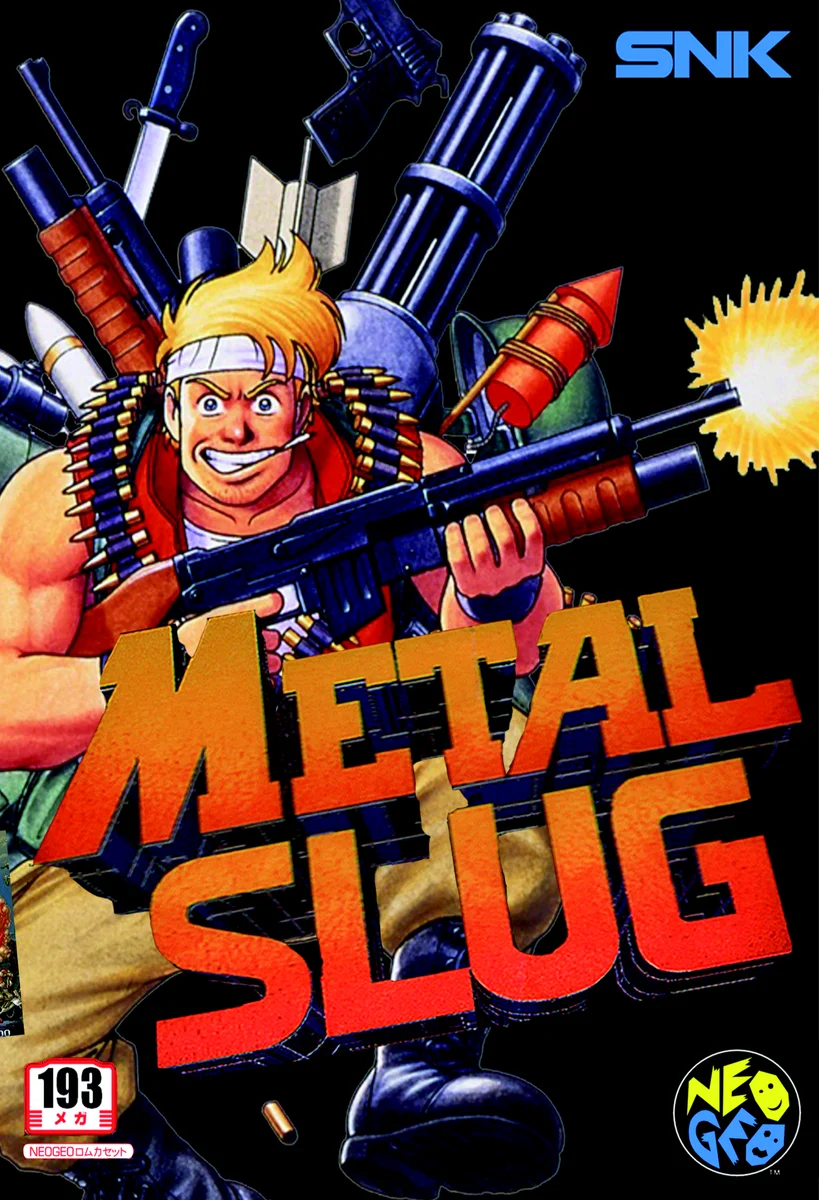
SNK brought closely related arcade hardware into the home. The Neo Geo AES began with a rental model before public retail sales in 1991. Cost limited its audience, but a devoted arcade player could see what the money bought: the same basic game experience at home. SNK’s Neo Geo museum.
Game Boy, Atari Lynx and Game Gear were competing for portable play during the same period. Their hardware profiles sit alongside the home systems; use the handheld filter on the timeline to compare their launches.
CD-ROM and the arrival of 3D
Sega’s Mega-CD expansion launched in Japan in December 1991. It added processing and audio capabilities alongside a disc drive. A Mega-CD game required that extra hardware; the base console alone could not play it. This archive keeps expansions separate from their host consoles when describing compatibility. Sega hardware record.
Saturn and PlayStation arrived in Japan in late 1994 with CD-ROM media and hardware capable of more elaborate polygonal worlds. Two-dimensional games continued alongside them. The final years of one console’s library overlapped with the first attempts on its successor, which is why our era boundaries overlap too. Saturn, PlayStation.
The next chapter, the third dimension, follows the problems of moving through those new spaces.