An arcade company makes its move
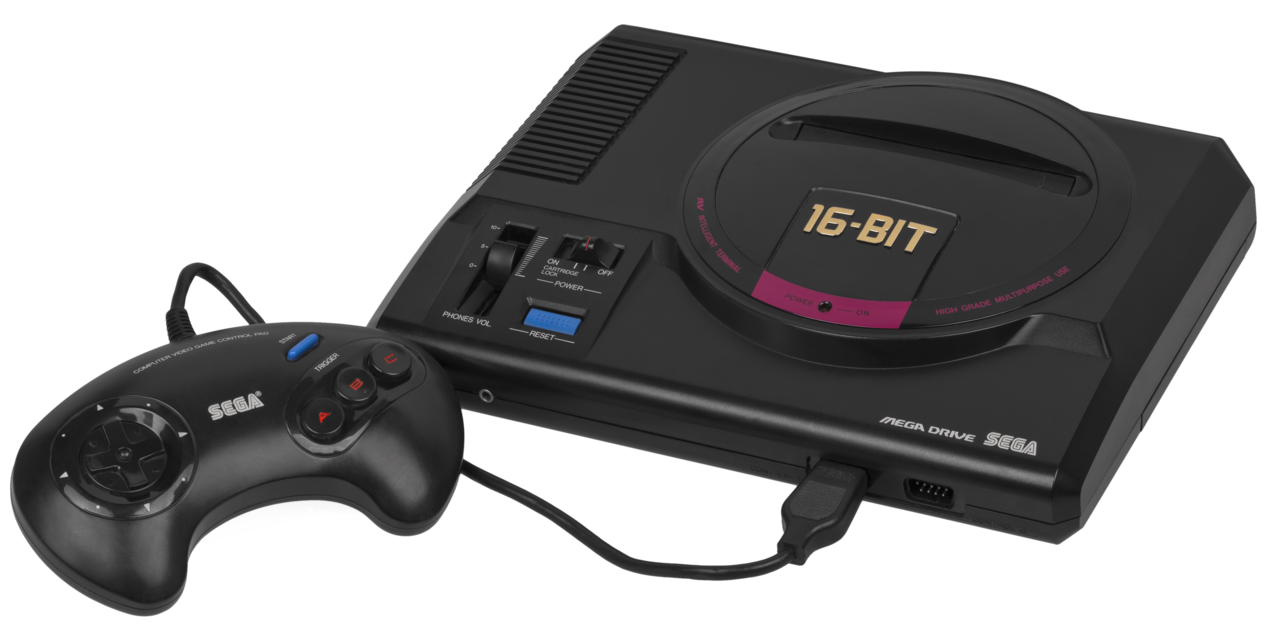
Sega approached the home console as an arcade company. Its hardware retrospective places development of the Mega Drive in 1986, under the working name Mark V. Choosing a 68000 processor was a cost decision as well as a technical one. Sega describes large component orders as part of making the design affordable.
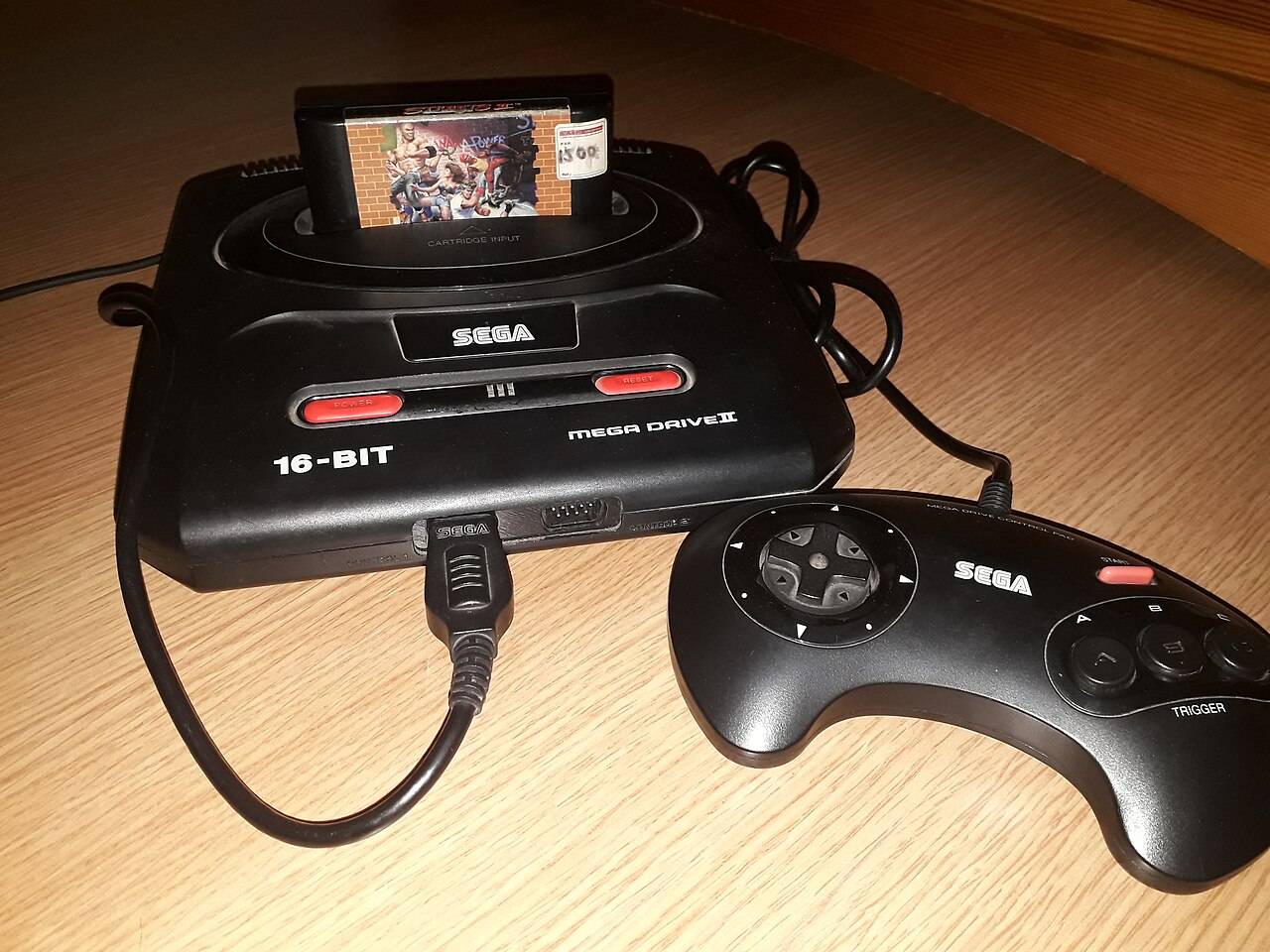
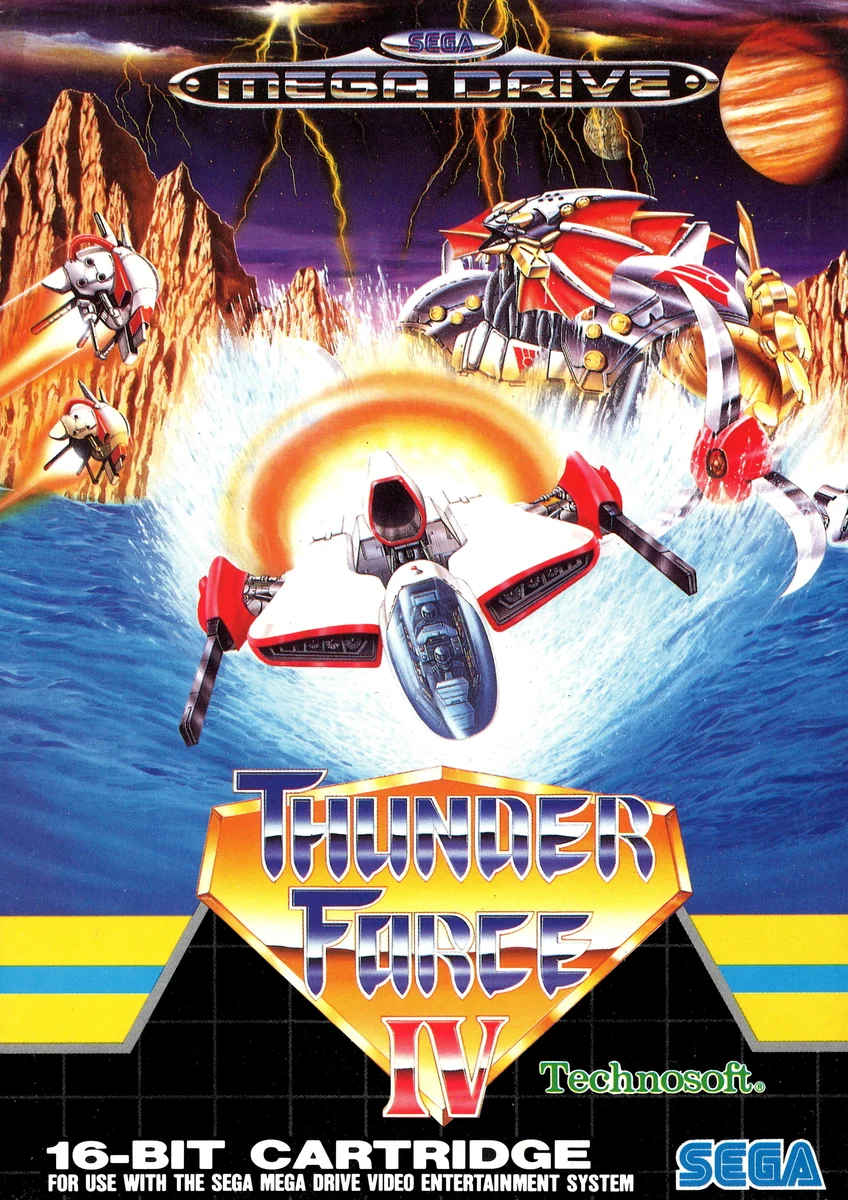
The gold 16-BIT lettering advertised the result. Developers could work with larger ambitions for moving characters and layered scenery, while the library gradually developed reasons to keep playing at home beyond practising an arcade conversion.
Sources for this section1 reference
- Sega Hardware Story, part 3: Mega Drive ↗Sega · Accessed 2026-10-27
Manufacturer retrospective; used for development and regional context, not as a neutral measure of competitive success.
One machine, several different battles
The Japanese Mega Drive launched in October 1988. It became the Genesis in North America the following year and reached European markets under its original name in 1990.
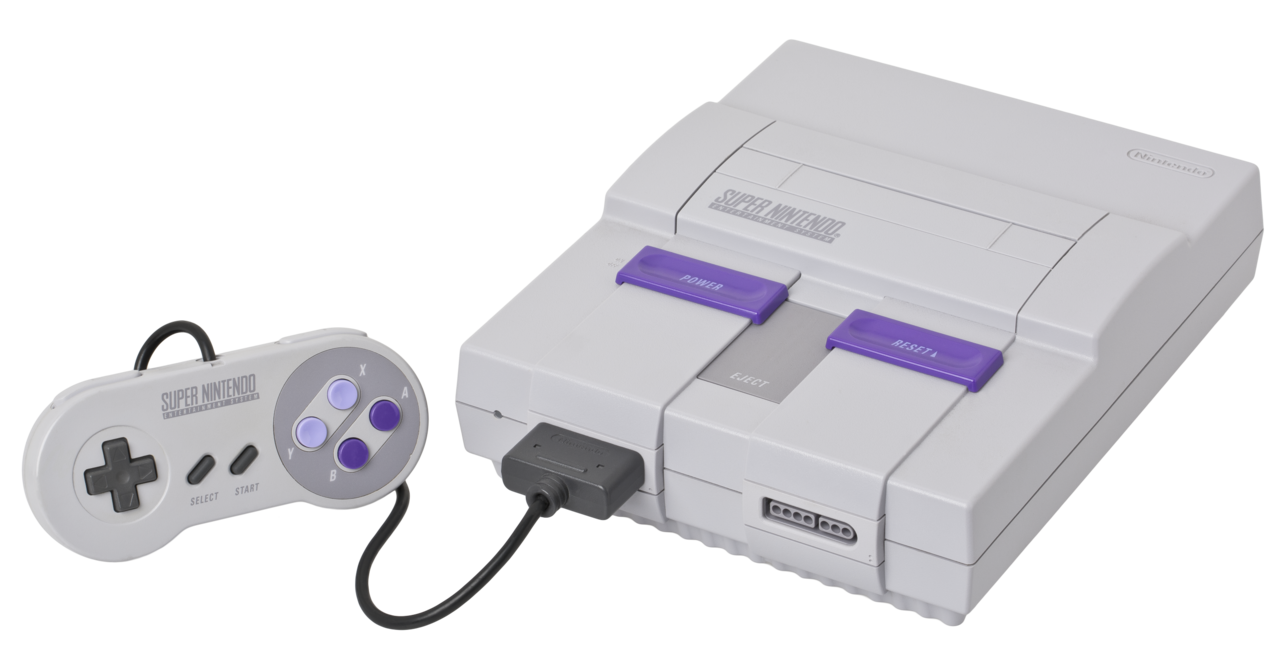
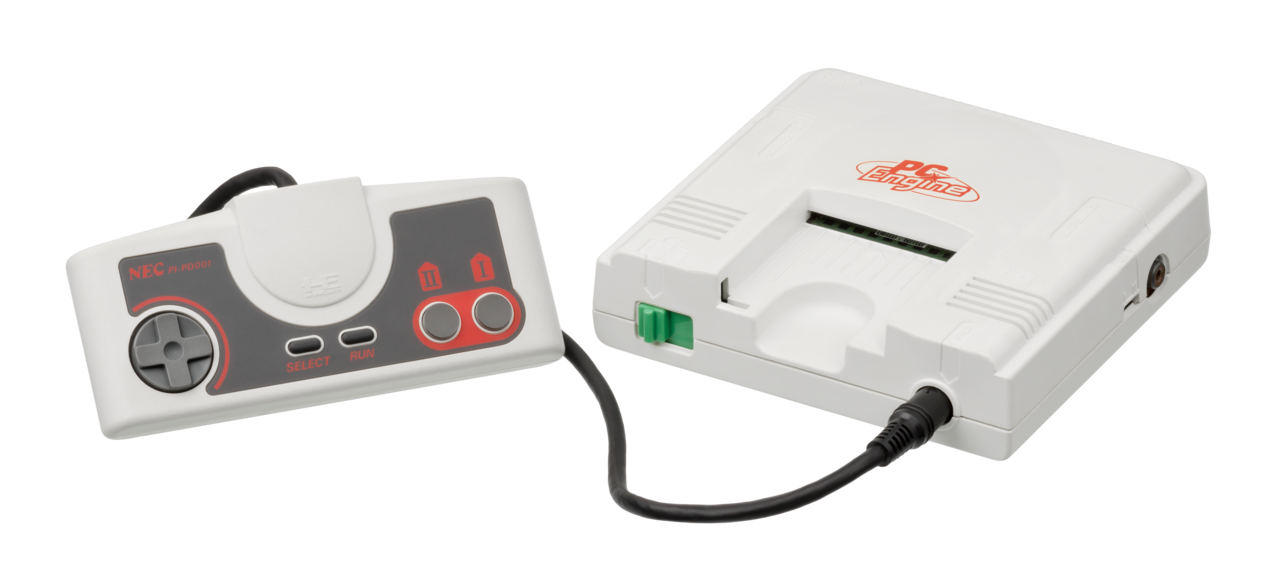
The familiar Sega-versus-Nintendo account fits North America better than Japan, where NEC also mattered. Sega’s own retrospective acknowledges that it failed to overturn Nintendo and NEC’s domestic positions. North America brought a much larger breakthrough, and Europe became another substantial market. Those regional differences belong in any account of its success.
Sources for this section3 references
- Mega Drive — hardware encyclopedia ↗Sega · Accessed 2026-10-27
Japanese release date, launch price and original hardware specifications. Clock figures describe the Japanese NTSC model.
- Sega history: 1960–2020 ↗Sega · Accessed 2026-10-27
Regional introduction years and manufacturer-reported regional sales. These are not a harmonised global installed-base total.
- Sega Hardware Story, part 3: Mega Drive ↗Sega · Accessed 2026-10-27
Manufacturer retrospective; used for development and regional context, not as a neutral measure of competitive success.
Sonic on the box
In interviews, former Sega of America chief executive Tom Kalinske describes a strategy of lower pricing, American sports licences, older players and direct comparisons with Nintendo. He also recalls pushing to replace Altered Beast with Sonic the Hedgehog as the bundled attraction. These are participant recollections, useful for understanding intent rather than a substitute for independent sales records.
Sonic made “fast” visible. His impatience was funny even when the player did nothing, and the loops offered an obvious demonstration for a television commercial. Sega had a character whose temperament fitted the pitch.
Sources for this section2 references
- Tom Kalinske on the Genesis at 25 ↗GamesBeat · Accessed 2026-10-27
2014 first-person interview. Retrospective recollections are attributed; market-share claims are not repeated as audited data.
- Interview with Tom Kalinske ↗Luke Zapart · Accessed 2026-10-27
2011 interview on the Sonic bundle, price and regional strategy; remembered conversations are not treated as verbatim contemporary records.
The sound of the machine
The 68000 worked alongside a Z80, and FM synthesis gave the system a musical character distinct from the sample-based sound associated with the SNES. Composers and programmers still had to decide what to do with it. Streets of Rage 2’s rhythmic drive is a useful place to hear how much that work mattered.
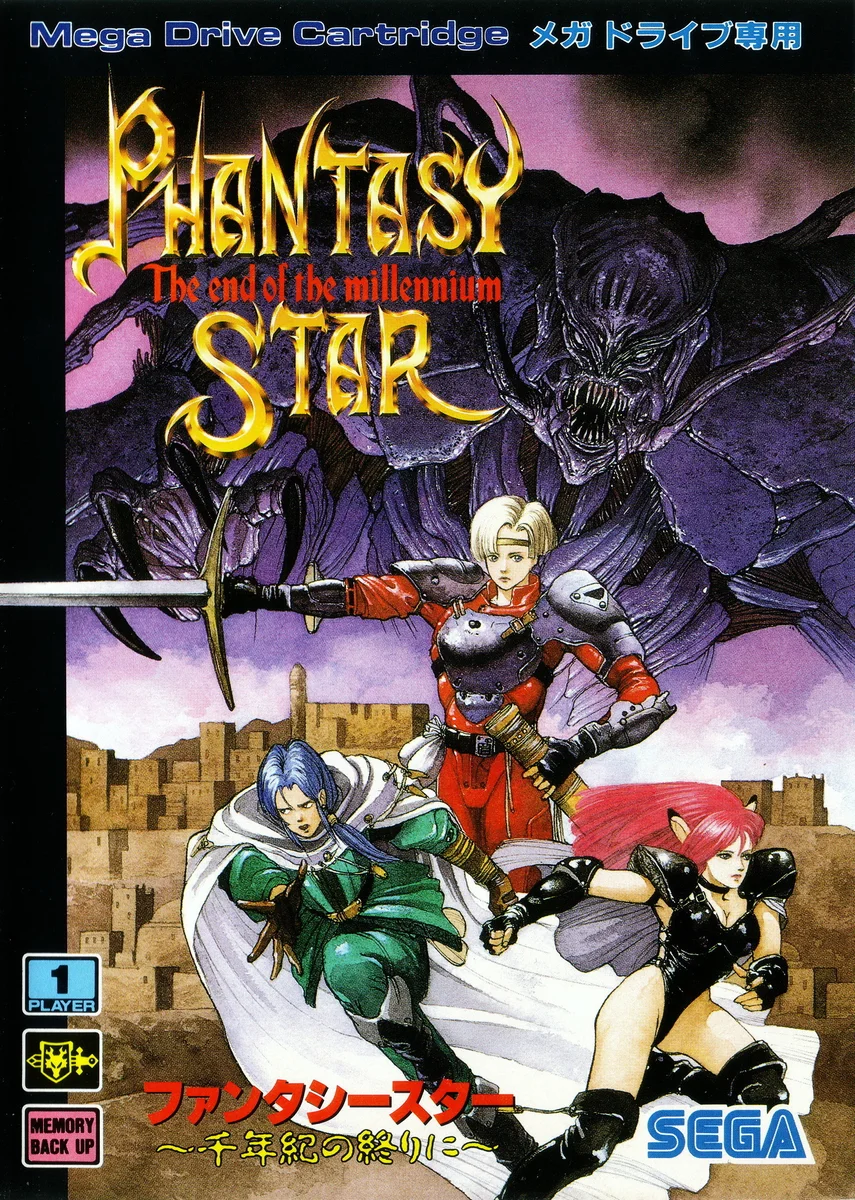
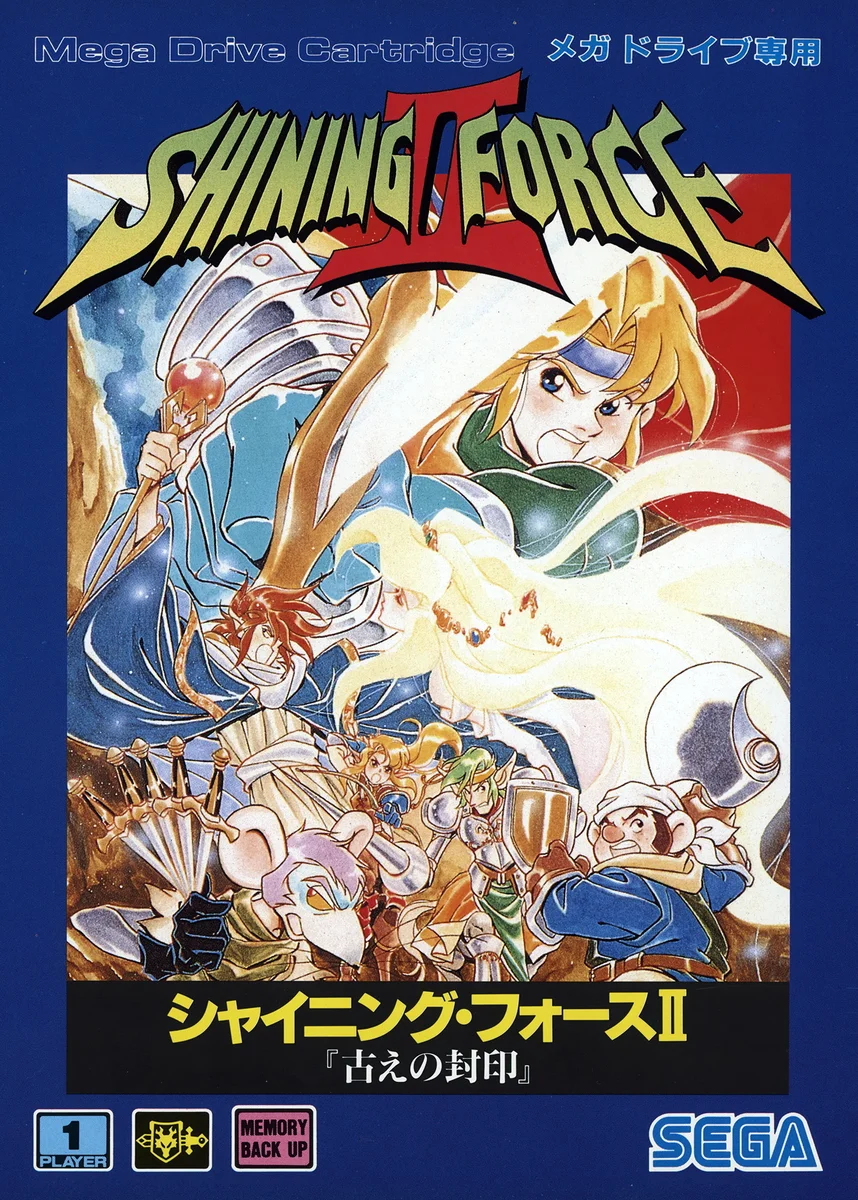
Sonic 2 puts the terrain to work in much the same way, building momentum through the shape of a level. The machine also accommodates the slower pleasures of Phantasy Star IV and Shining Force II, games easily overlooked if the console’s reputation for speed is all you know.
Sources for this section2 references
- Mega Drive — hardware encyclopedia ↗Sega · Accessed 2026-10-27
Japanese release date, launch price and original hardware specifications. Clock figures describe the Japanese NTSC model.
- Super Nintendo / Famicom Architecture ↗Rodrigo Copetti · Accessed 2026-10-27
Independent technical research with board photographs and references. Used for architecture, not disputed regional launch dates.
The temptation to keep adding
The Mega-CD arrived in Japan in December 1991. Alongside its disc drive, it added processing, audio and image-manipulation capabilities. In North America it was named Sega CD. It belongs to the Mega Drive family as an expansion, rather than a new generation on this timeline.
Our ten-game selection runs on the base console. Mega-CD discs need the expansion hardware, a distinction worth checking before buying a game.
Sources for this section1 reference
- Mega-CD — hardware encyclopedia ↗Sega · Accessed 2026-10-27
12 December 1991 Japanese launch; expansion hardware and North American Sega CD naming.
A regional success
Sega’s reported regional totals show a major international business, despite its weaker Japanese position. Nintendo’s larger consolidated global SNES total answers a different question from who gained ground in a particular country or year. Both belong in the record.
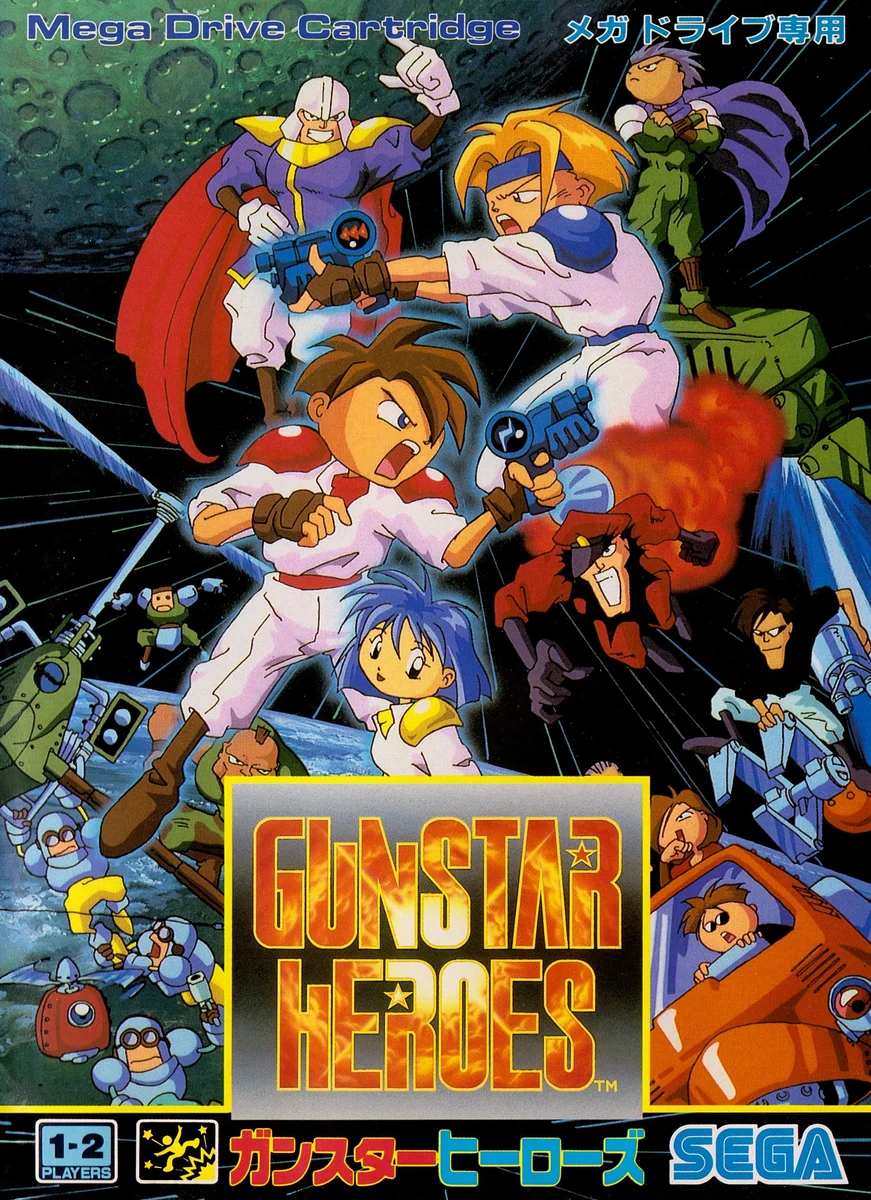
The ten games below cover the console’s more familiar action games and the tactical adventures that complicate its public image. They give a better account of the library than the advertising did.
Sources for this section2 references
- Sega history: 1960–2020 ↗Sega · Accessed 2026-10-27
Regional introduction years and manufacturer-reported regional sales. These are not a harmonised global installed-base total.
- Hardware and software sales units ↗Nintendo Investor Relations · Accessed 2026-10-27
49.10 million SNES / Super Famicom hardware units: worldwide consolidated sales life-to-date, as described by Nintendo.