Learning to read the screen
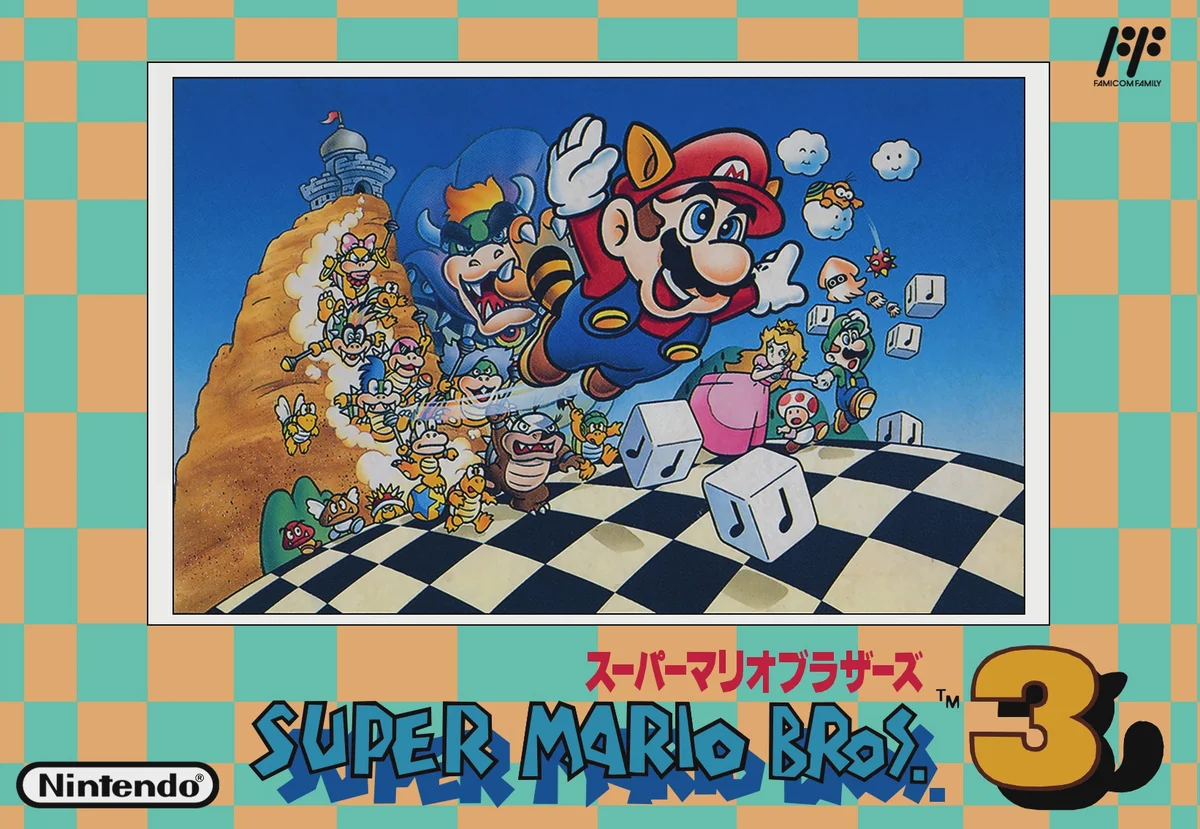
In Super Mario Bros., a gap changes meaning with the speed of the approach. A brick can be a step, an obstacle or a place to hide a reward. The screen gives the player a small vocabulary and keeps finding new sentences for it. Learning those rules is part of the pleasure: a second attempt can feel different because the landscape is no longer unfamiliar.
The NES and Famicom library asks the player to carry that knowledge between sessions as well as between stages. Zelda makes remembered geography useful; Metroid turns a blocked passage into a reason to return. These games reward attention to space in ways that a list of hardware specifications cannot describe.
Their apparent simplicity required deliberate organisation. Nintendo’s picture processor builds a frame from tiles and sprites, with limited memory available to describe them. Cartridge circuitry could extend what a game had to work with. The same console could therefore support increasingly elaborate software without being replaced. Hardware analysis.
There was no single restart
The Famicom arrived in Japan in July 1983. The later American NES faced a different retail problem. The Video Game History Foundation’s collection documents Nintendo revising the product during 1985 as it tried to persuade shops to stock another game system after the American market crash. That is a regional business history, not evidence that video games everywhere had stopped and needed to begin again. Famicom hardware record, NES launch archive.
Even the NES introduction unfolded in stages. New York’s test market preceded a national campaign; European distribution followed its own calendar. Nintendo’s annual report places the beginning of European sales in 1986, without resolving every country’s date. Our timeline keeps that qualification visible. Nintendo’s corporate chronology.
“Renaissance” describes this chapter’s expanding console libraries. It should not erase home computers, arcades or the different markets in which those games were being played. A machine’s place in a household depended on what else was available and what its games cost, as well as what its chips could do.
The shop mattered too
Sega’s Master System makes that regional perspective especially useful. Former Mastertronic employee Anthony Guter recalls the company taking on UK distribution in 1987 and subsequently adding France and Germany. His account follows a business moving from budget computer software towards Sega hardware. The shelves and distributors were part of the competition. Guter’s participant history.
This also complicates the idea of a clean generational change. Sega’s retrospective describes Alex Kidd continuing abroad after the arrival of Mega Drive, and Tectoy keeping the platform active in Brazil. New hardware did not make an existing collection disappear. Sega’s account.
The platform’s name changed along the way. Japan’s Mark III, the overseas Power Base and the later Japanese Master System belong to the same family, with differences in their cartridge connectors and sound hardware. Our hardware profile separates them instead of assigning every feature to every case. Sega’s model comparison.
Making room for the longer game
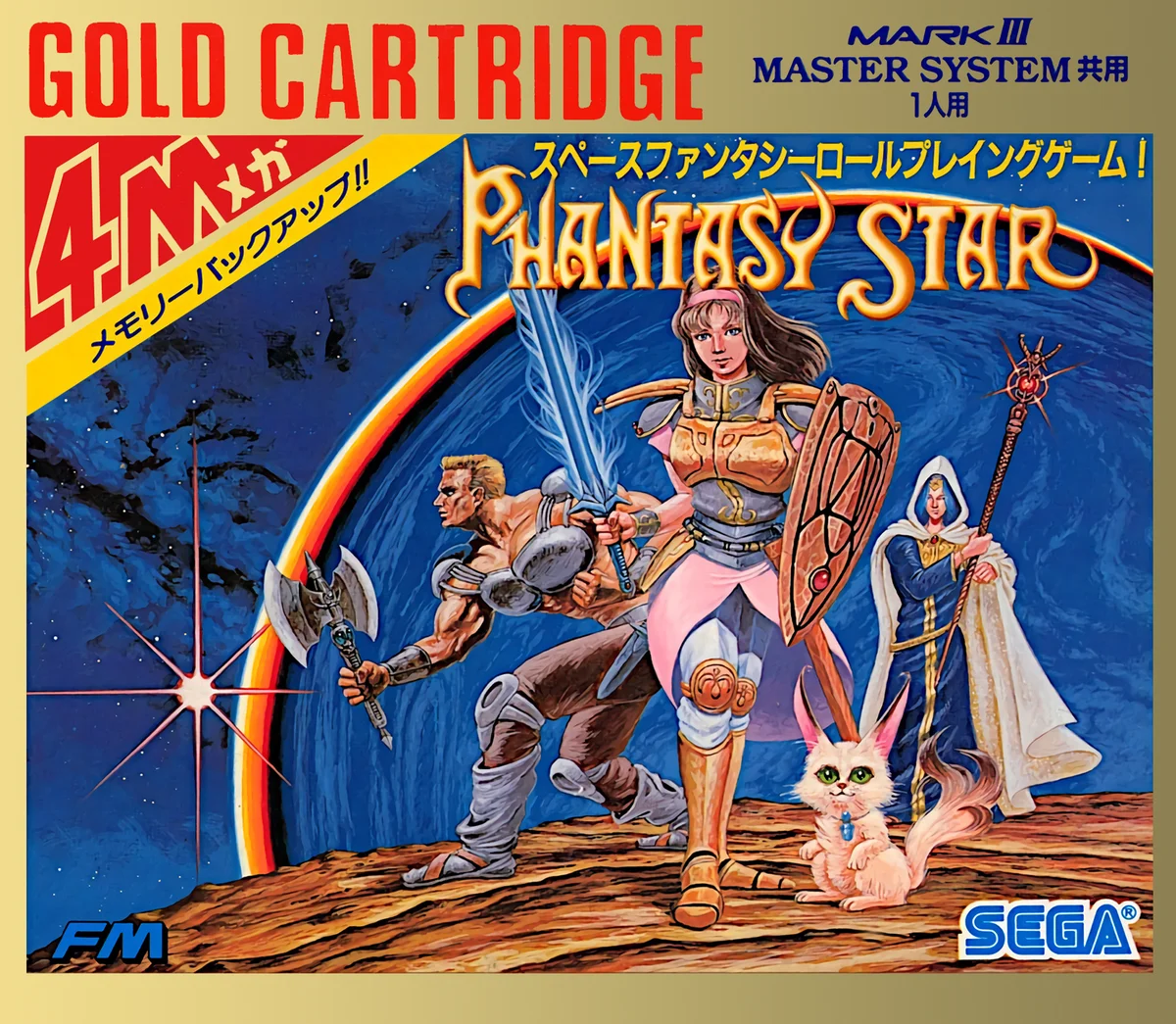
An arcade conversion offers a recognisable challenge at home. An adventure can ask for something else: an unfinished map, a clue remembered tomorrow, or a route that only becomes possible after finding another item. Phantasy Star and Wonder Boy III give the Master System selection two different ways to pursue that longer journey. The time between sessions becomes part of learning the game.
The Famicom Disk System gave this kind of play a practical tool. Its writable Disk Cards supported saving, while the RAM Adapter connected the drive to the Famicom. A disk release remains a separate edition from a later NES cartridge. Nintendo’s Disk System record.
In a later Nintendo interview, Iwata and Uemura also connected the arrival of outside game makers to more development time for Nintendo’s own work. That recollection offers a useful reminder that a library grows through several organisations. The familiar characters on the hardware box do not account for everything worth playing on it. Nintendo’s development discussion.
Which version is being remembered?
A game’s title is only the beginning of identifying it. The region, media and hardware can change the experience. Original Japanese Master System FM sound is not a feature of the overseas Power Base. A Game Gear adaptation shares a family relationship with the television hardware, but its smaller display can demand a different view of the action. Master System architecture, Sega’s Game Gear retrospective.
PAL and NTSC comparisons also need the particular software in front of them. Their roughly 50 Hz and 60 Hz picture timing creates a technical difference; it does not justify a blanket percentage for the speed of every regional game. The archive names the editions it recommends and leaves untested timing comparisons unresolved. NES timing, Master System video hardware.
The twenty recommendations in this chapter offer starting points through these two libraries. Follow a running jump with a dungeon expedition, or compare how two games use the same few buttons. The later 16-bit chapter follows developers making those spaces larger and their characters more expressive, while the older machines continued to receive games.