Mark III, Power Base and the Japanese redesign
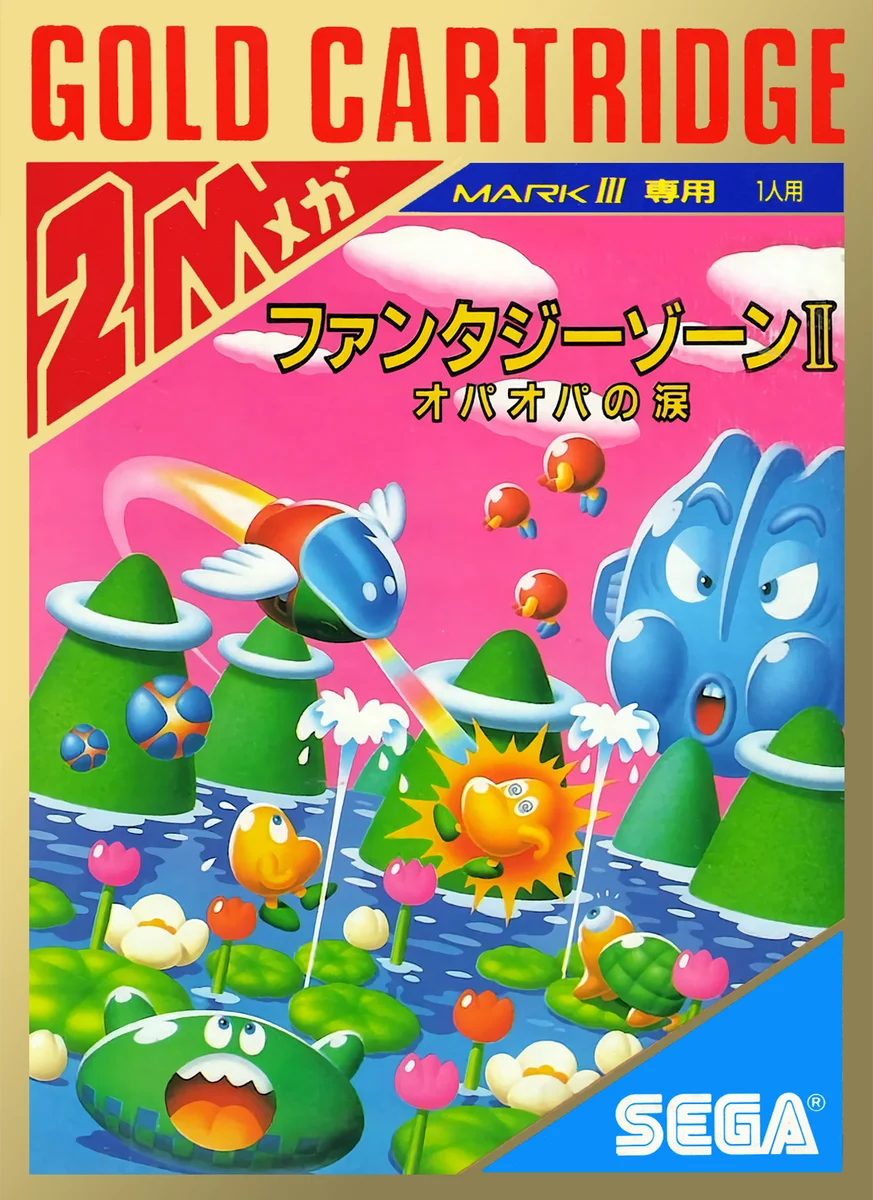
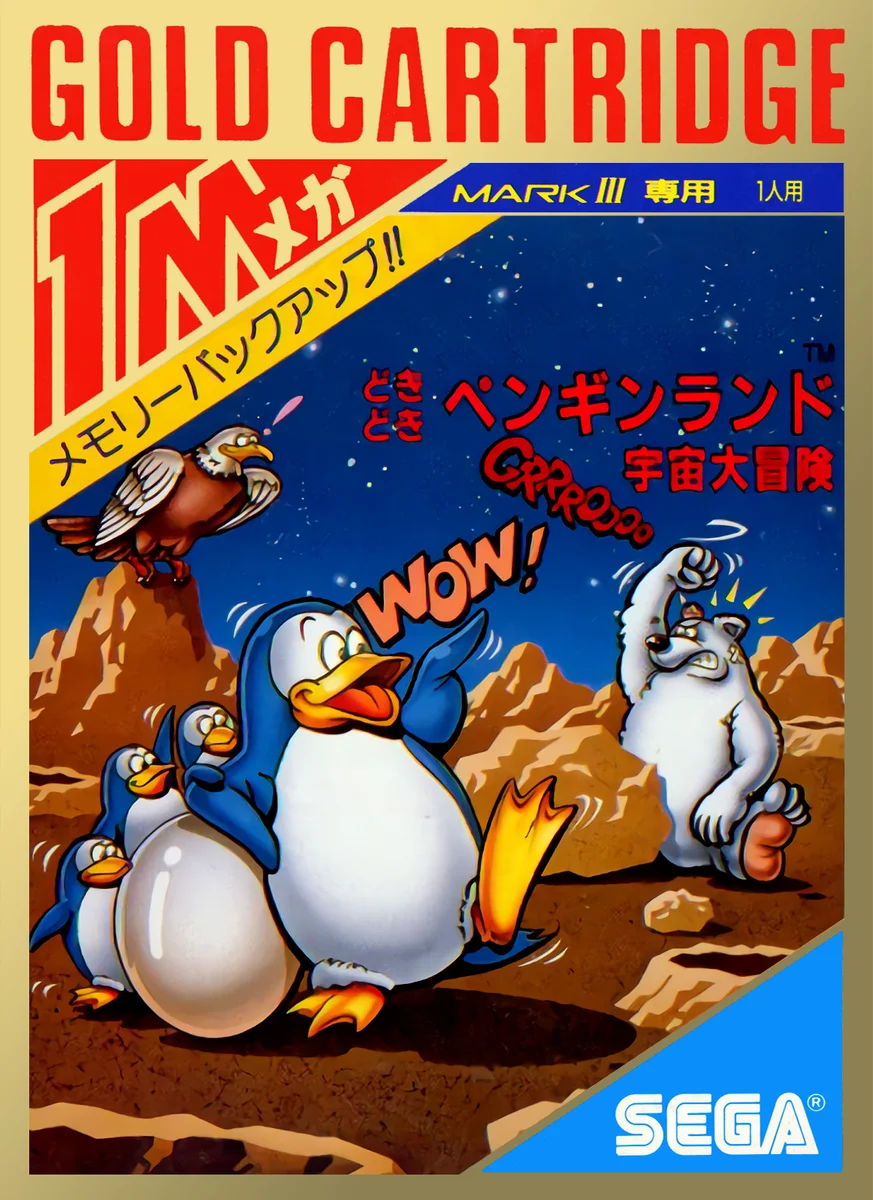
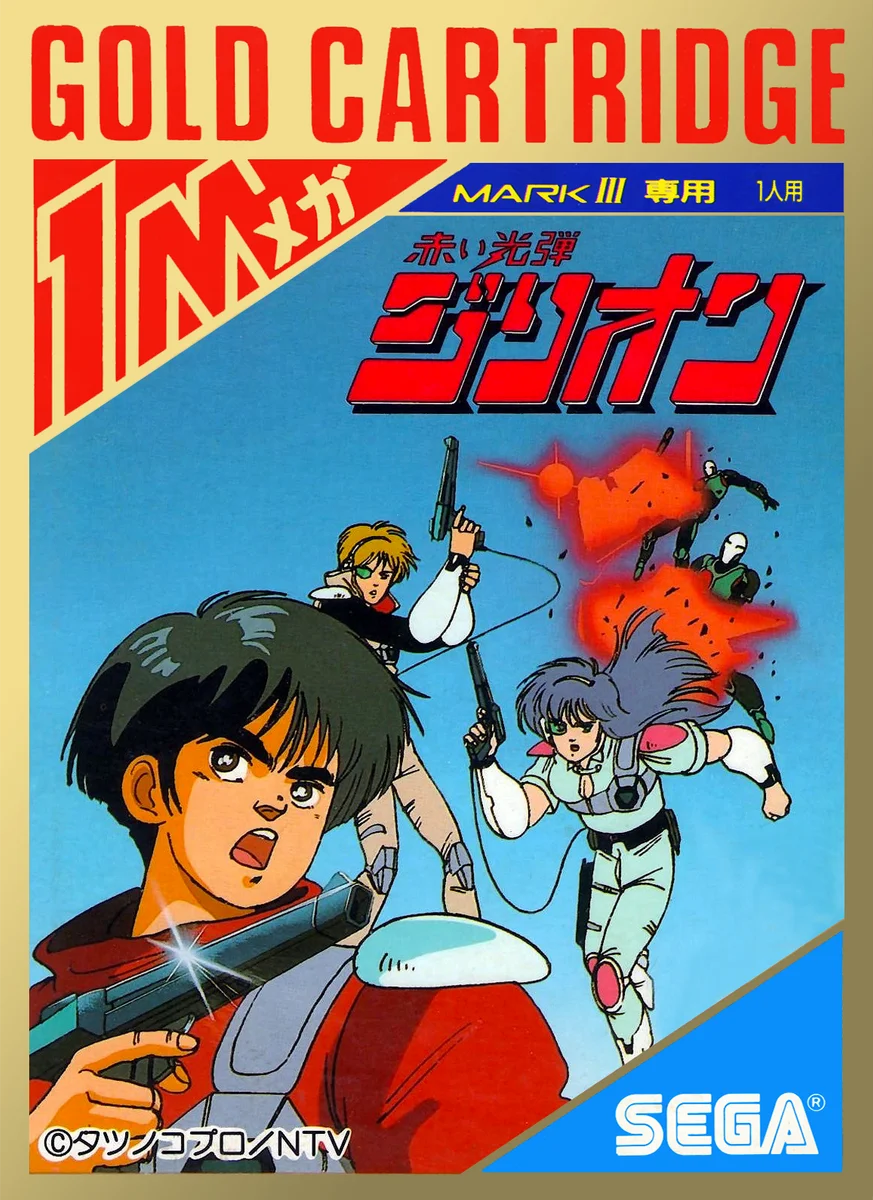
The Mark III launched in Japan in October 1985, retaining support for Sega’s earlier SC/SG software while improving the graphics hardware. Its card and cartridge slots offered two physical forms of game on the same console.
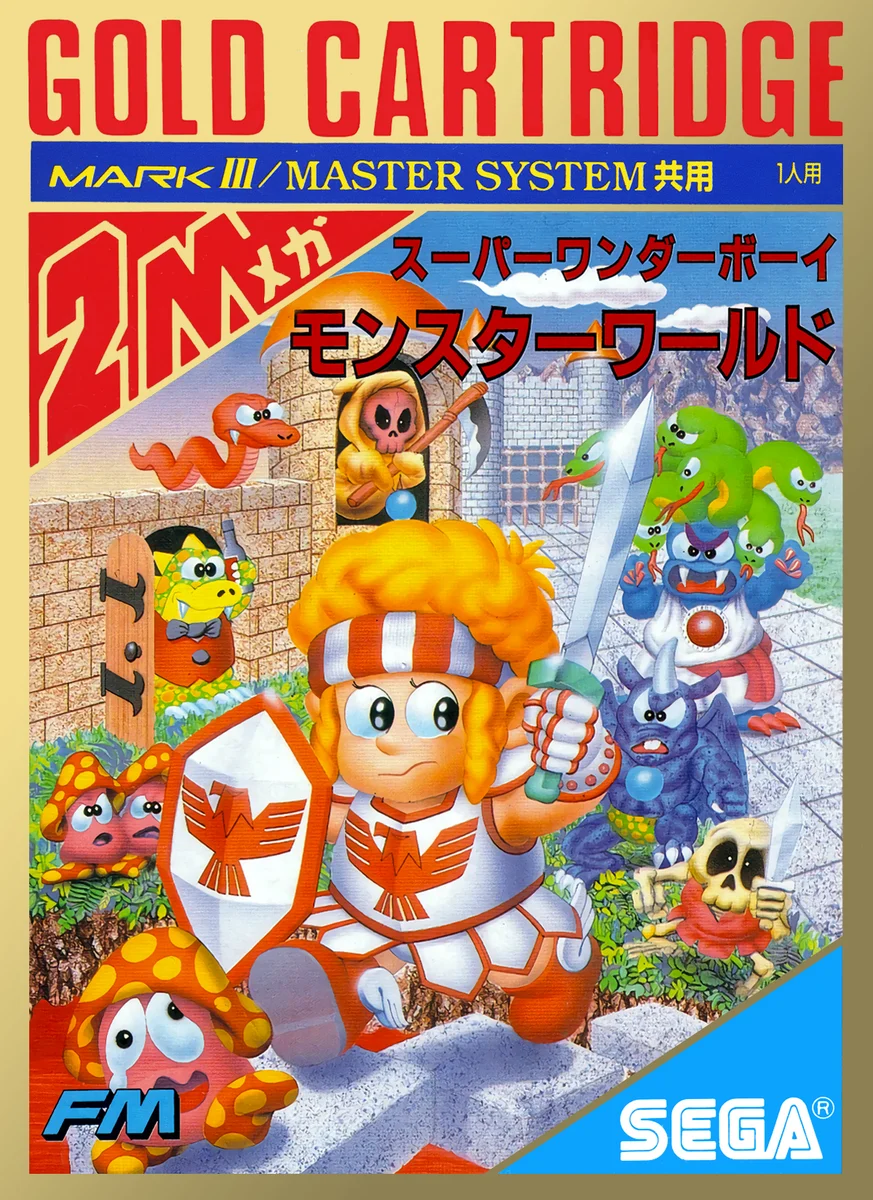
The black overseas Master System followed in 1986. Japan received a different Master System in October 1987, with FM sound and a direct connection for 3-D glasses. The original export model lacks those built-in features. Japanese and overseas cartridges also have different shapes. A photograph of one model cannot stand for every version’s specification.
Sources for this section2 references
- セガ・マークⅢ ↗Sega · Accessed 2026-10-27
Japanese Mark III launch day, price, RAM/VRAM, base display mode, PSG audio and card/cartridge slots. The nominal 4 MHz CPU entry is not used as an operating clock.
- マスターシステム ↗Sega · Accessed 2026-10-27
Separates the 1987 Japanese MK-2000 with FM audio from the 1986 overseas Power Base without it. Records different cartridge shapes and Japanese launch price.
Converting the arcade
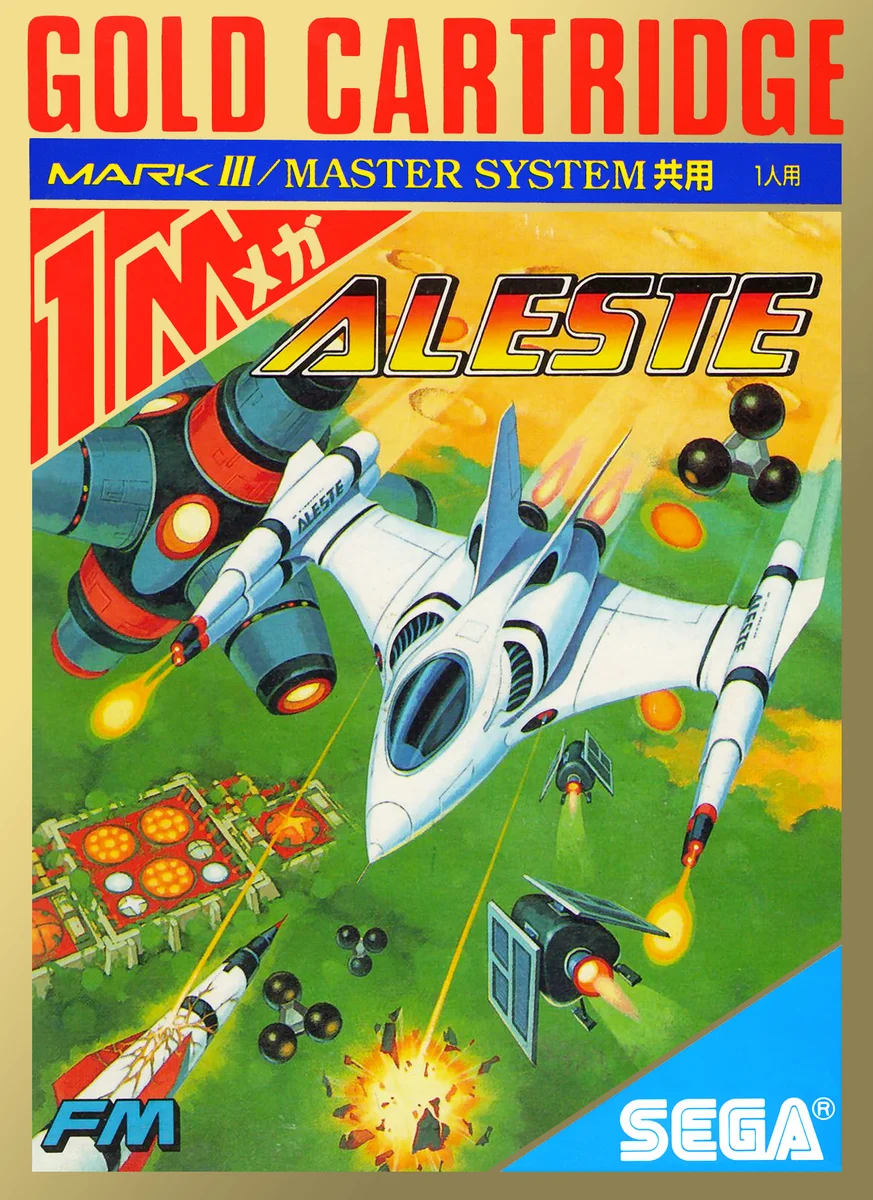
Sega’s hardware retrospective describes designing the Mark III with arcade conversions in mind. Yet its arcade division was already making machines beyond the reach of an inexpensive home console. Bringing a familiar game home meant reworking its presentation around a smaller budget of sprites, memory and processing time.
That tension is a useful way to approach the library. Look at whether a conversion preserves a satisfying rhythm or a readable threat, rather than treating every missing detail as the whole verdict. A small, clear enemy can make a better target than an ambitious picture that obscures the action.
Sources for this section1 reference
- 【連載】セガハードストーリー第2回 本格的な家庭用ハード開発時代へ ↗Sega · Accessed 2026-10-27
Manufacturer retrospective on arcade conversion, Phantasy Star, Alex Kidd and the longer European/Brazilian life. Its approximate sales claim is omitted because its boundaries are insufficiently defined.
Games made for staying home
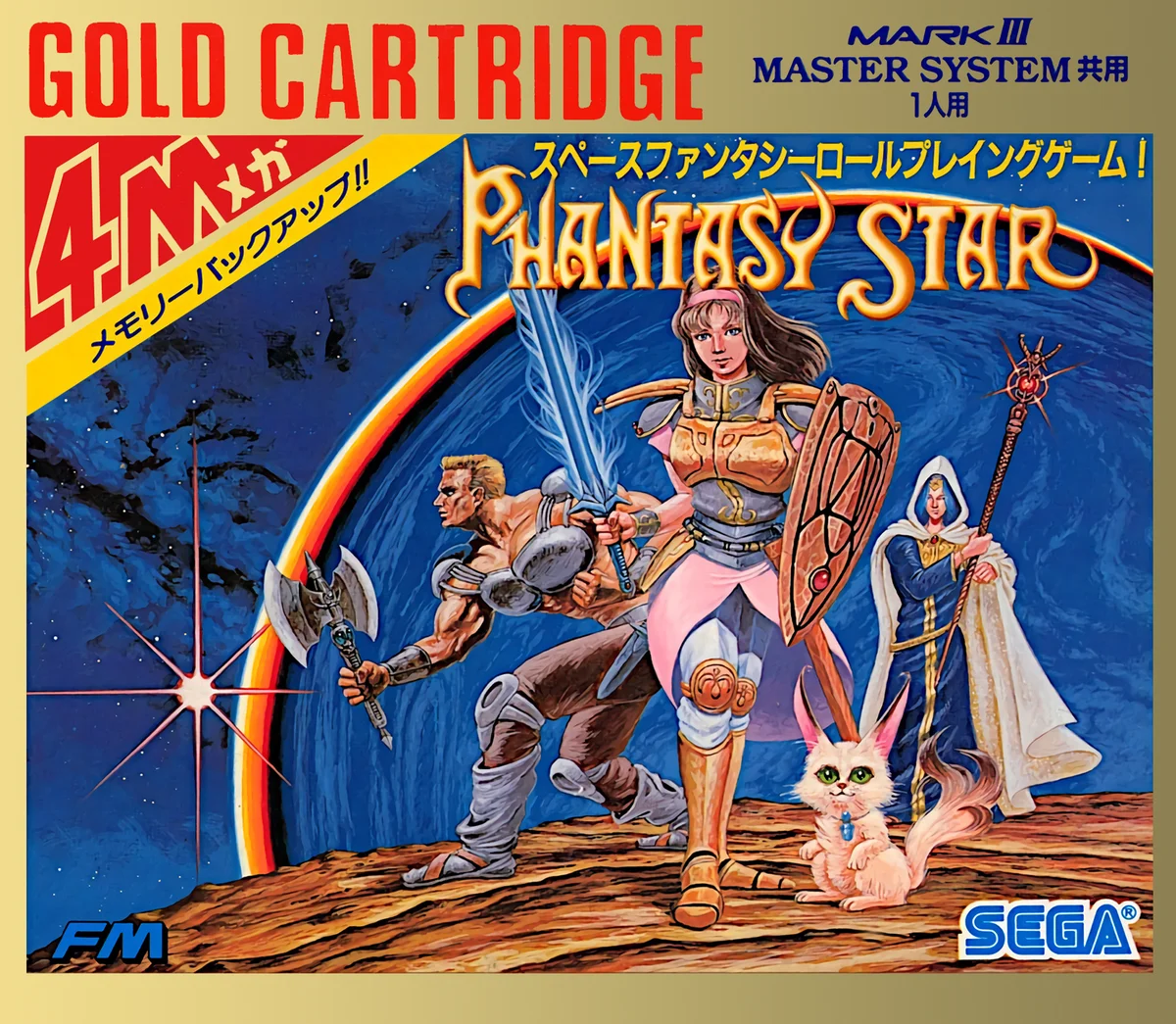
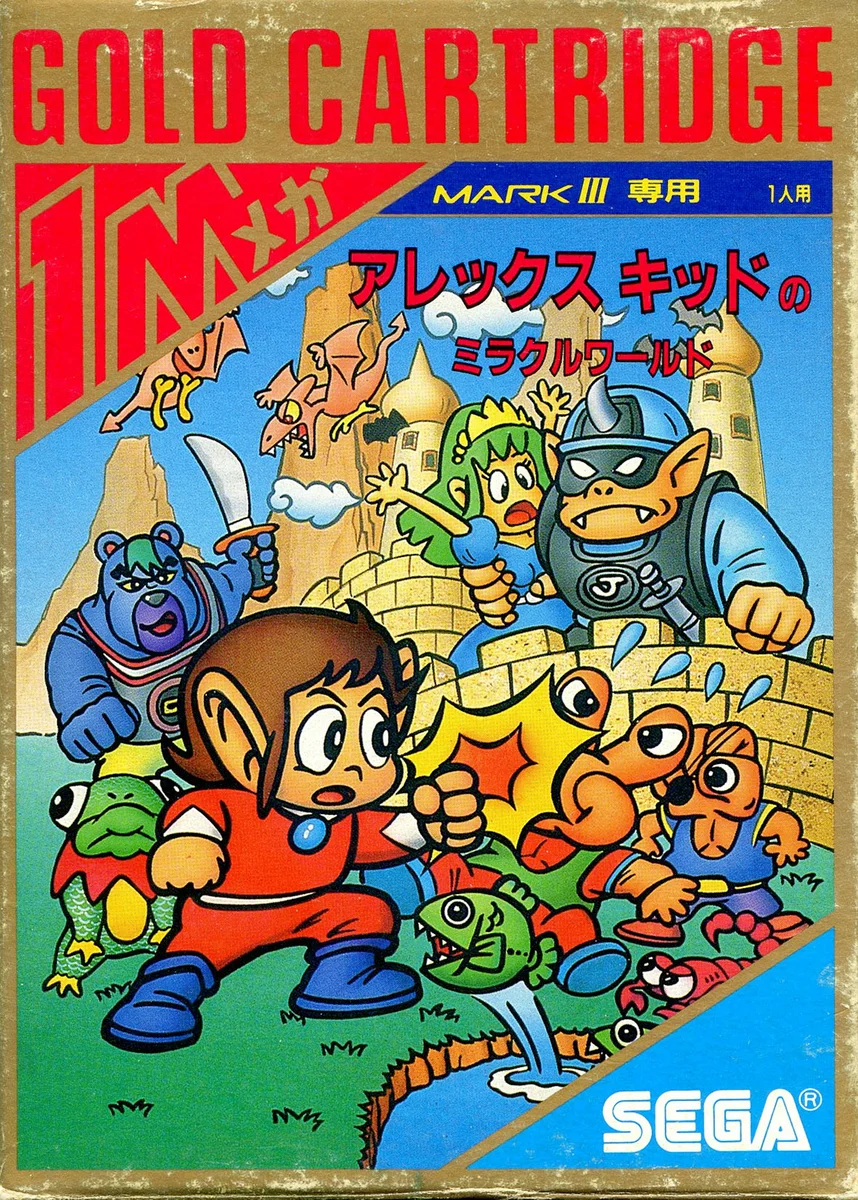
Phantasy Star gave the machine a different pace: a journey through towns, wilderness and first-person dungeons. Alex Kidd made room for routes, vehicles and encounters that interrupt the jump-and-punch routine. These are useful companions to the arcade adaptations because their appeal depends on more than reproducing a recognisable cabinet.
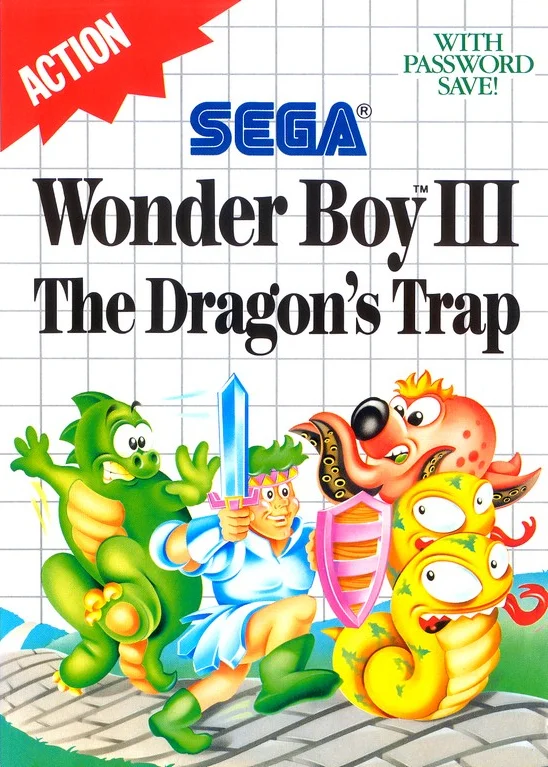
The recommended games below follow the platform across its Japanese and overseas releases. Similar names on Game Gear or Mega Drive require care. A shared character does not guarantee the same levels, screen space or rules.
Sources for this section3 references
- SEGA AGES ファンタシースター ↗SEGA · Accessed 2026-10-27
1987 original, setting, first-person dungeons, Switch auto-mapping, optional assistance and revised sound options.
- SEGA AGES アレックスキッドのミラクルワールド ↗SEGA · Accessed 2026-10-27
1986 original, vehicle purchases, rock-paper-scissors encounters and the changes in AGES mode.
- 【連載】セガハードストーリー第4回 誰もが待ち望んだ携帯型フルカラー液晶『ゲームギア』 ↗Sega · Accessed 2026-10-27
2017 manufacturer retrospective on Master System architecture, case layout, power consumption and the TV tuner. Promotional sales claims are not repeated.
A different place on the shop shelf
Former Mastertronic employee Anthony Guter recalls the company taking on UK distribution in 1987, then adding France and Germany. His account puts retail organisation alongside hardware design: a console needs a route into shops as well as games to run. It does not justify treating Europe as one market with one launch day.
Sega’s retrospective also records the platform’s extended life in Brazil through its licensee Tectoy. This profile leaves a final worldwide production date and sales total unstated. Licensed manufacture and later built-in-game products need definitions before their numbers can be combined.
Sources for this section2 references
- A History Of Mastertronic ↗Anthony Guter / Mastertronic Collectors Archive · Accessed 2026-10-27
First-person account by a Mastertronic employee: UK distribution began in 1987, followed by French and German distribution. Retrospective claims are attributed; no precise launch day or market share is inferred.
- 【連載】セガハードストーリー第2回 本格的な家庭用ハード開発時代へ ↗Sega · Accessed 2026-10-27
Manufacturer retrospective on arcade conversion, Phantasy Star, Alex Kidd and the longer European/Brazilian life. Its approximate sales claim is omitted because its boundaries are insufficiently defined.
Region, sound and the model number
FM is a version choice, not a sound mode every original Master System can enable. Likewise, a cartridge fitting a slot does not settle video timing or peripheral requirements. Check those details before choosing original hardware for a particular game.
The Z80’s higher clock number does not make this machine twice as capable as the NES. The processors take different amounts of work to execute instructions, and the video chips carry much of what the player sees. Compare the games’ movement, legibility and sound; clock speed alone cannot explain them.
Sources for this section3 references
- マスターシステム ↗Sega · Accessed 2026-10-27
Separates the 1987 Japanese MK-2000 with FM audio from the 1986 overseas Power Base without it. Records different cartridge shapes and Japanese launch price.
- Sega Master System Architecture ↗Rodrigo Copetti · Accessed 2026-10-27
Author’s hardware analysis: model distinctions, cartridge interfaces, video timing and why CPU clock rates alone do not rank the two machines.
- Clock Rate ↗SMS Power! · Accessed 2026-10-27
Community hardware research gives the clock derivation for NTSC and PAL models. Values are rounded and qualified by video standard rather than copying the nominal 4 MHz in Sega’s historical table.