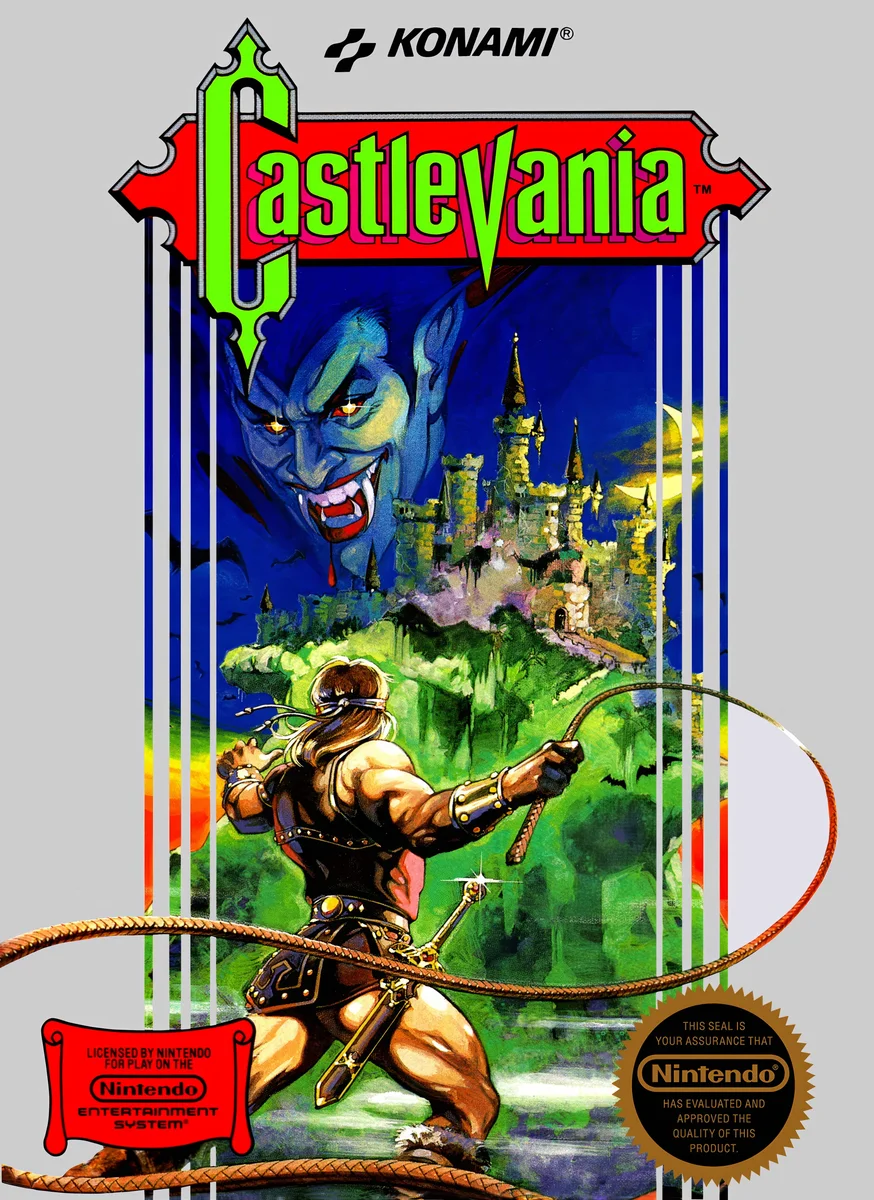
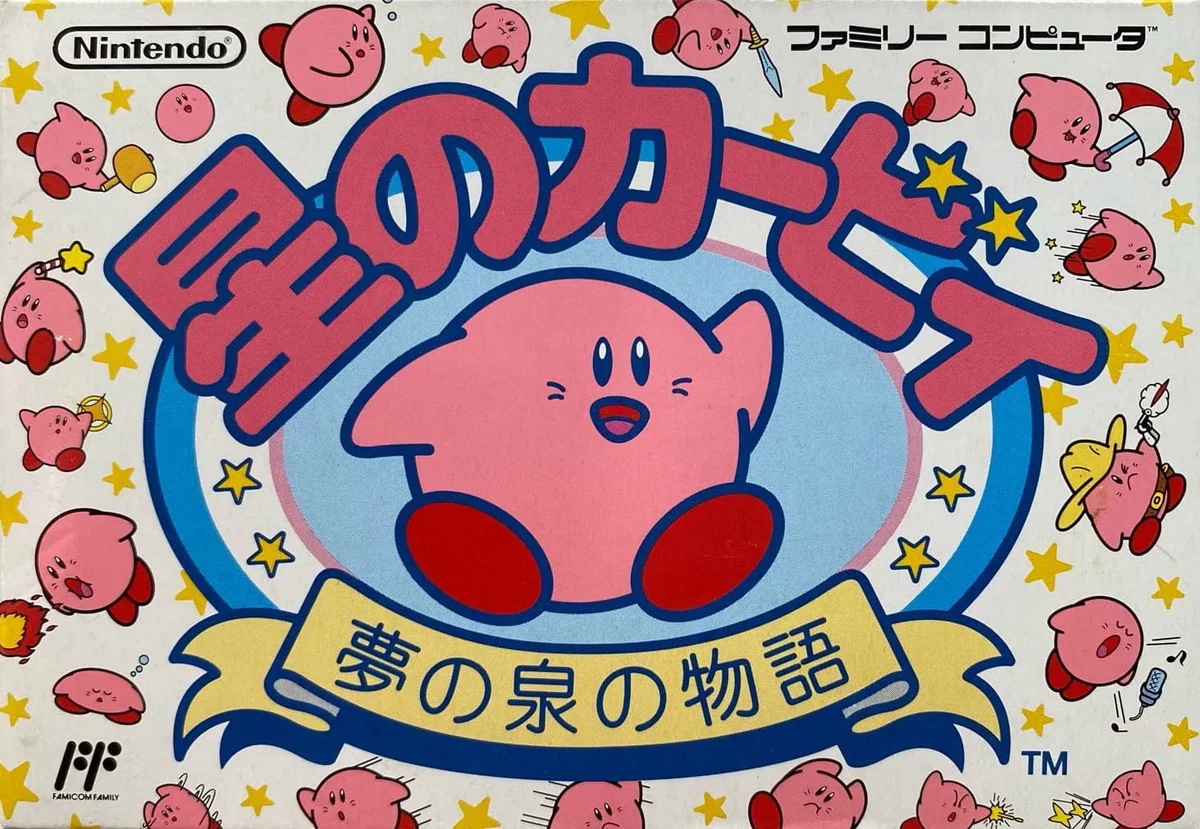
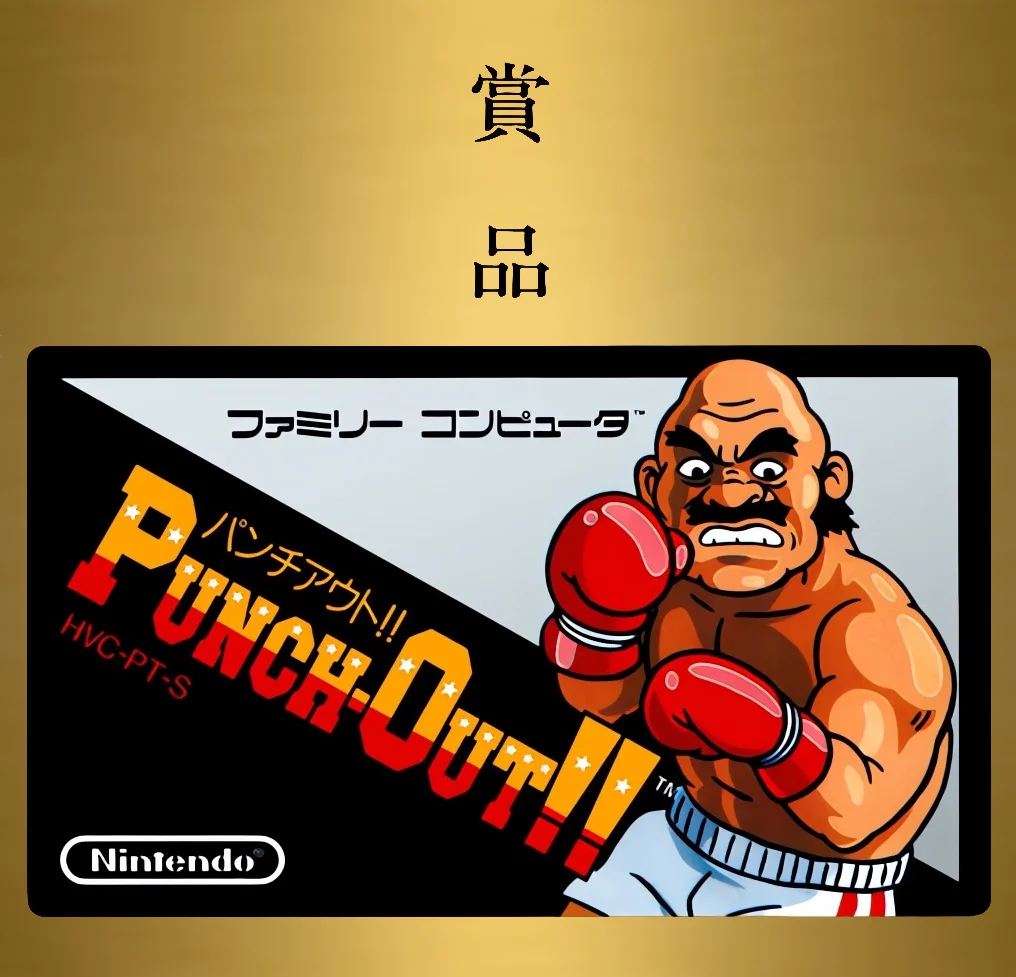
A launch that took several years
The red-and-white Family Computer reached Japan in July 1983. Its second controller included a microphone, a detail that disappeared from the familiar NES pad. Family resemblance should not be mistaken for identical hardware.
For the American introduction, Nintendo changed both the machine and its presentation. The Video Game History Foundation’s launch collection traces the move from the elaborate Advanced Video System concept to the NES and R.O.B. The New York test market in October 1985 preceded the national campaign of 1986. A single “1985 launch” label conceals that gradual arrival.
Nintendo’s annual report dates the start of European sales to 1986. It does not establish one day when the machine reached every European country. Those local dates remain a research task.
Sources for this section3 references
- ファミコンとは? ↗Nintendo · Accessed 2026-10-27
Official hardware retrospective based on the original manual: 15 July 1983 launch, controls, microphone and RF connection. The separate UK corporate history misplaces the Famicom under 1984; the Japanese hardware record is used here.
- The NES Launch Collection ↗Video Game History Foundation · Accessed 2026-10-27
Frank Cifaldi’s introduction to the Foundation’s original promotional material, trade coverage and demonstration scripts. Supports the October 1985 New York test market and a separate 1986 national campaign. No disputed exact US launch day is asserted.
- Annual Report 2006 ↗Nintendo · Accessed 2026-10-27
History of Nintendo, PDF page 12: US NES introduction in 1985, Europe in 1986, and Japanese Disk System in 1986. Europe is the beginning of a regional rollout, not one release date for every country.
What a few buttons can ask of you
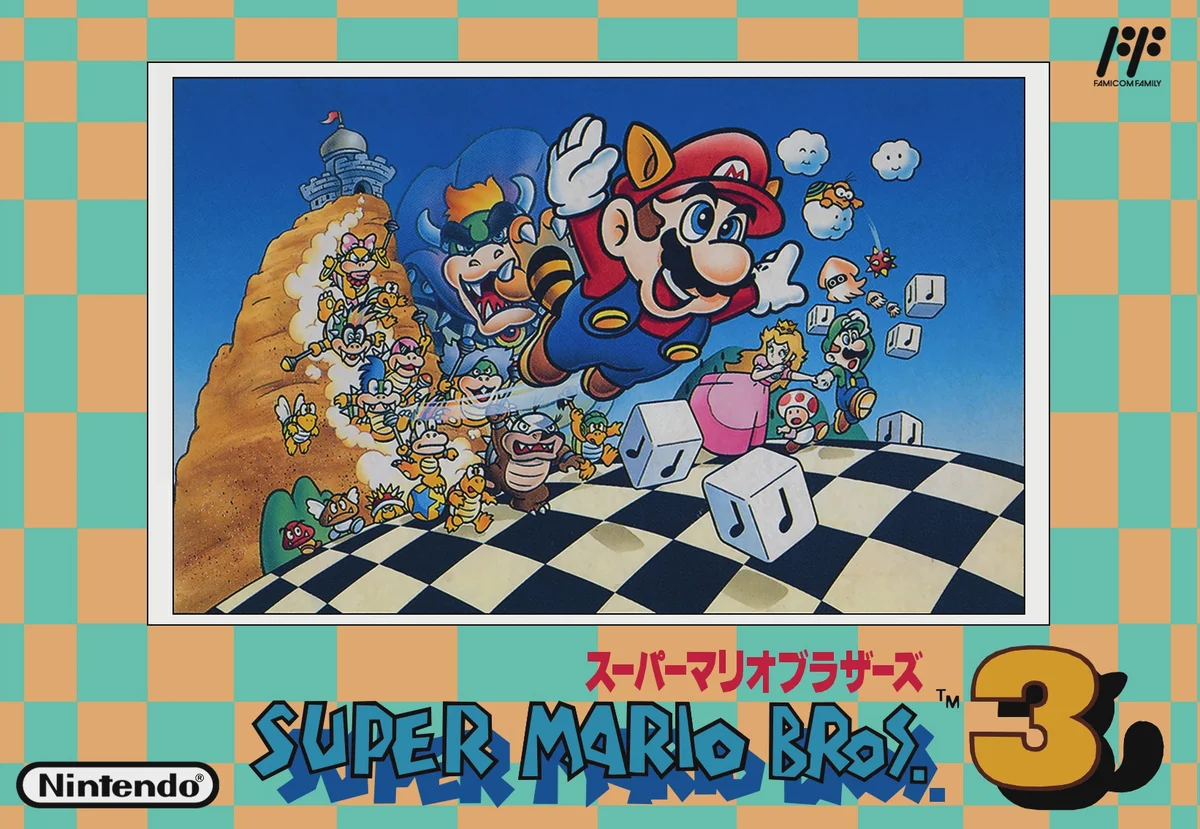
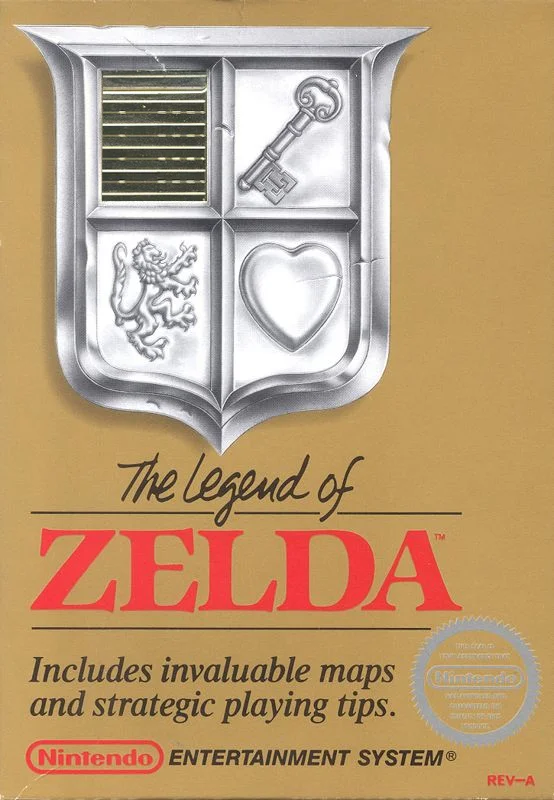
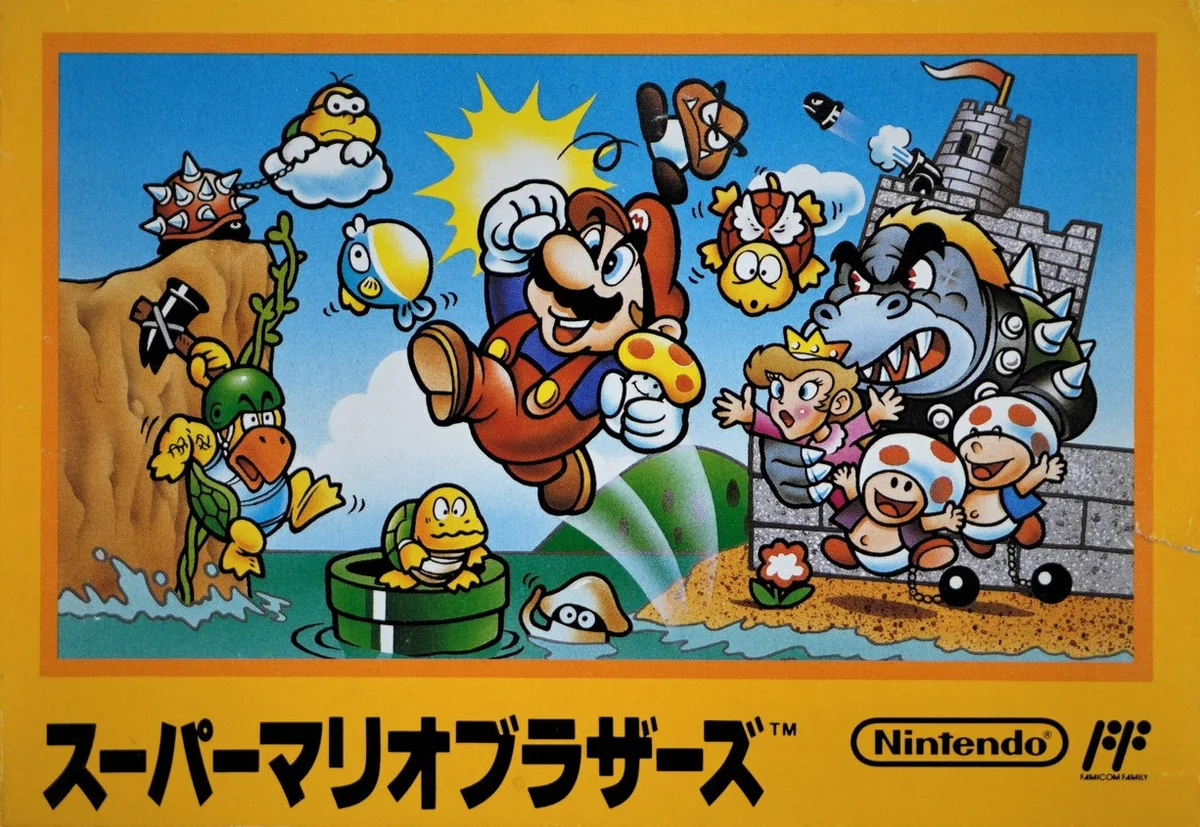
The NES controller puts direction under one thumb and A and B under the other. That arrangement leaves room for very different demands. A Mario jump asks for judgement of speed and distance; a Zelda doorway asks whether you are equipped to continue. Familiar controls make it easier to move between games, even when their rules disagree.
Third-party work matters to the breadth of that library. In a later Nintendo discussion, Satoru Iwata and hardware designer Masayuki Uemura recalled that outside developers reduced the pressure on Nintendo to supply everything itself. They connected that breathing room to the time spent refining Super Mario Bros. It is a participant account of development conditions, rather than proof that any single arrangement caused the game’s success.
Sources for this section3 references
- Nintendo Entertainment System ↗Nintendo UK · Accessed 2026-10-27
Official controller description. Promotional claims that the console saved the entire industry are not repeated.
- 4. The Grand Culmination of Cartridges ↗Nintendo / Iwata Asks · Accessed 2026-10-27
Participant recollections by Masayuki Uemura and Hiroshi Imanishi, with Satoru Iwata. Notes distinguish Zelda’s Japanese Disk System release from its later European NES edition; recollections about development workload are attributed.
- 「ニンテンドークラシックミニ ファミリーコンピュータ」発売記念インタビュー 第4回「ゼルダの伝説篇」 ↗Nintendo · Accessed 2026-10-27
2016 participant interview. Miyamoto discusses the original booklet, the overseas cartridge and the North American map and hints; recollections are attributed.
A disk drive beneath the Famicom
The Disk System arrived in Japan on 21 February 1986. Its RAM Adapter occupies the Famicom’s cartridge connector and connects to a separate drive. Disk Cards can hold saved progress; shops with a Disk Writer once offered replacement games on the same media. That rewrite service has ended.
The Legend of Zelda began on this branch of the family before reaching the NES on cartridge. The game records distinguish those releases. A disk date describes neither a western cartridge launch nor something a bare NES can load.
Sources for this section2 references
- ファミリーコンピュータ ディスクシステムとは? ↗Nintendo · Accessed 2026-10-27
Official manual-based account: 21 February 1986, Disk Drive HVC-022, RAM Adapter HVC-023, connection through the Famicom cartridge slot, disk saving and the discontinued rewrite service.
- 4. The Grand Culmination of Cartridges ↗Nintendo / Iwata Asks · Accessed 2026-10-27
Participant recollections by Masayuki Uemura and Hiroshi Imanishi, with Satoru Iwata. Notes distinguish Zelda’s Japanese Disk System release from its later European NES edition; recollections about development workload are attributed.
Check the edition before pressing Start
Cartridge circuitry could supply more than stored game data. Extra memory and mapping hardware helped later games work around the base machine’s limits. The console on the shelf could stay familiar while its software became more elaborate.
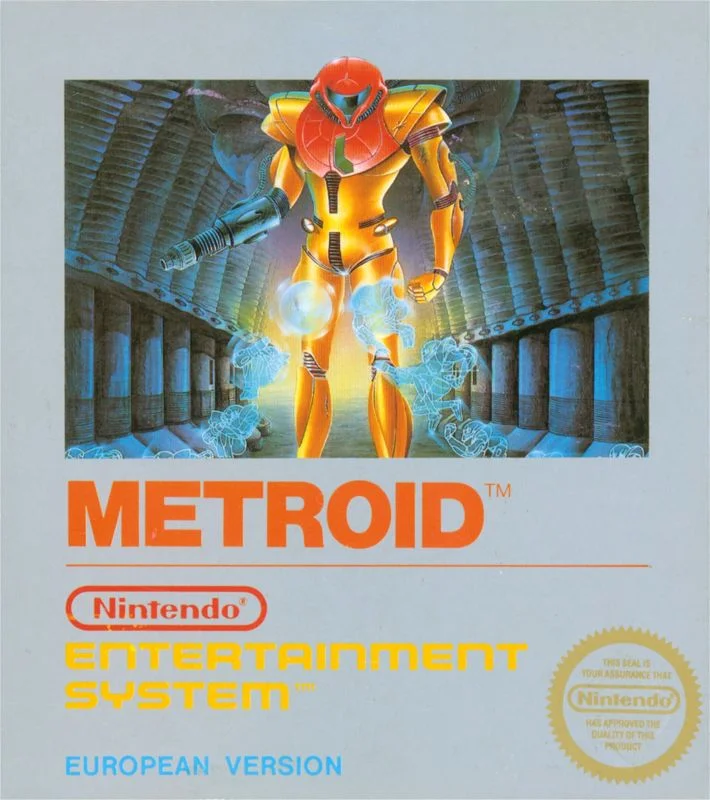
PAL and NTSC hardware use different timing. Their roughly 50 Hz and 60 Hz display rates are relevant to regional comparisons, but do not establish an exact speed difference for every game: software can be adjusted too. Our release notes identify the region without claiming that every PAL edition behaves alike. Check the cartridge, hardware and specific rerelease together.
Sources for this section1 reference
- NES / Famicom Architecture ↗Rodrigo Copetti · Accessed 2026-10-27
Author’s hardware analysis and demonstrations: CPU family, working RAM, frame construction, regional timing and cartridge expansion. Its simplified regional launch captions are not used.