Four ways to fill an evening
A fare in Crazy Taxi starts a short negotiation with a street: which corner can be cut, and how much time will the detour cost? Shenmue asks the player to wait for a shop to open. Both belong to Dreamcast. On the other machines, a few laps, a fighting tournament and a long role-playing adventure could sit on the same shelf. Larger storage did not prescribe a single size of game.
This chapter follows Dreamcast, PlayStation 2, GameCube and the original Xbox, alongside Game Boy Advance, Nintendo DS and PSP. Ten recommendations for each machine give the hardware history something to test against. Their dates overlap with the preceding machines and the next generation. The 1998–2006 window frames the article rather than the whole life of each library; the handheld selections also follow games released after that boundary.
A disc is not a specification
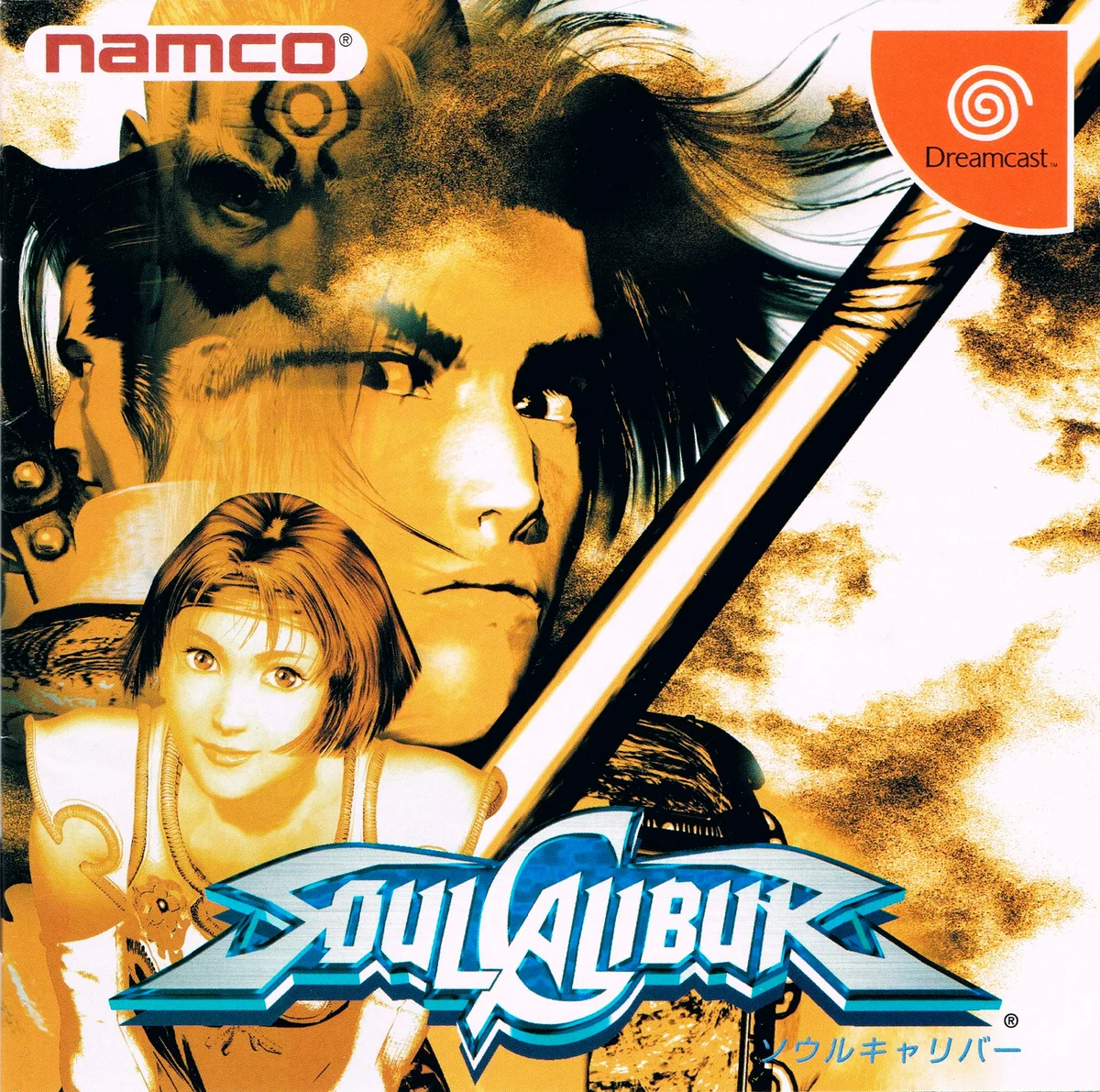
Sega’s Dreamcast hardware record describes its GD-ROM drive and built-in modem. Sony’s PS2 chronology places DVD films alongside the games. Nintendo chose 8 cm optical discs for GameCube. These formats share a circular shape without being interchangeable.
The distinction matters when returning to the hardware. A PS2 game may use CD-ROM or DVD-ROM. A GameCube disc is not an ordinary DVD movie. The original Xbox could play DVD films using a separate receiver and remote, documented in Microsoft’s DVD Movie Playback Kit announcement. Buying a console and buying every function advertised for it could mean different purchases.
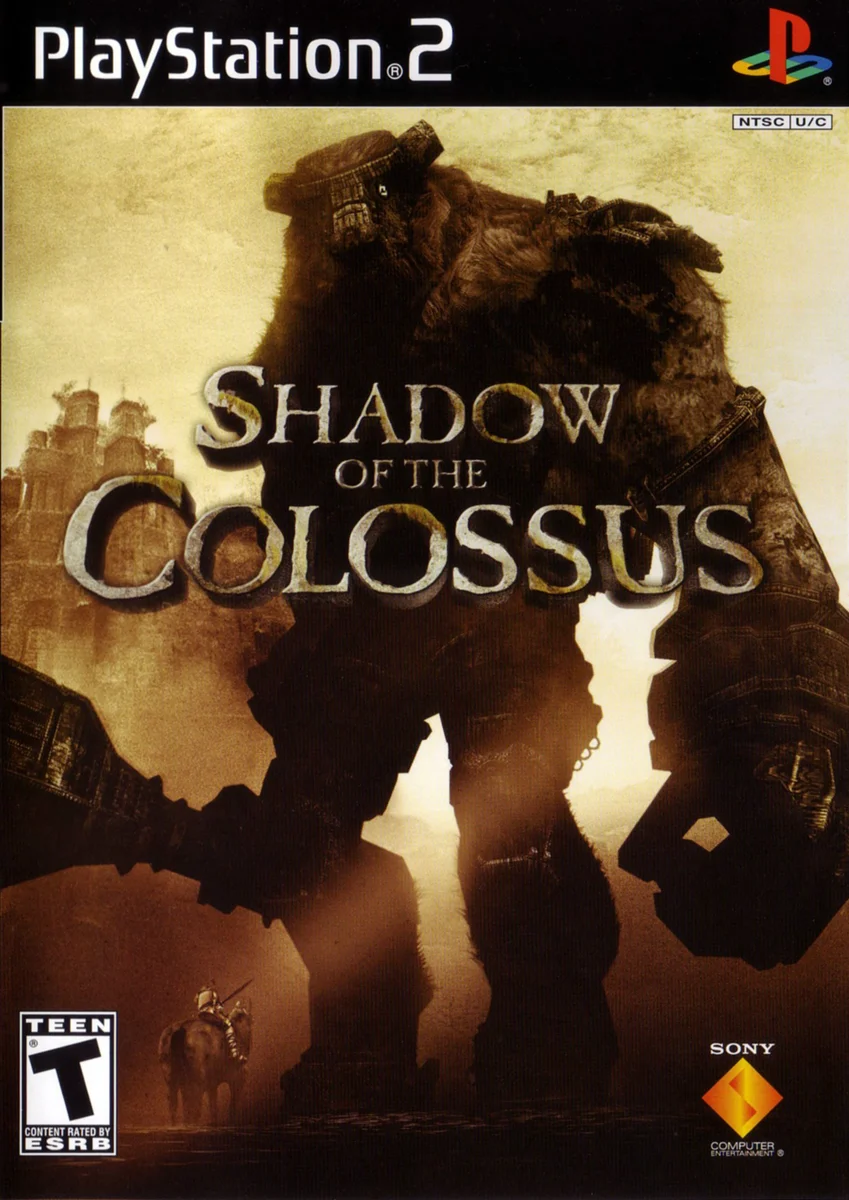
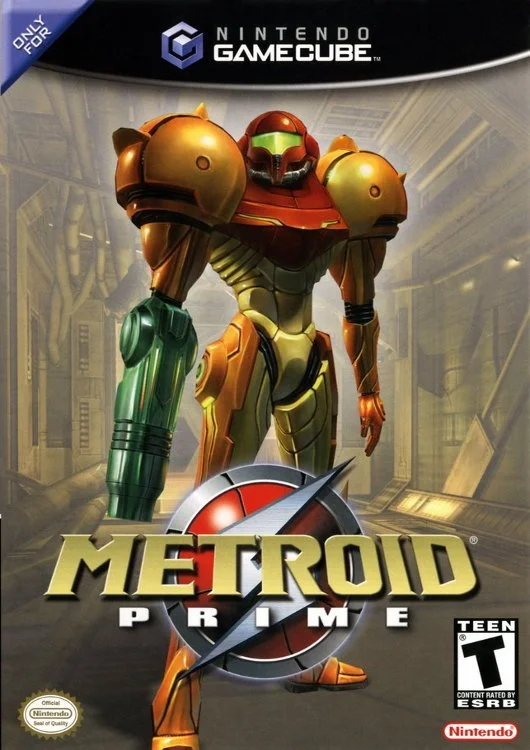
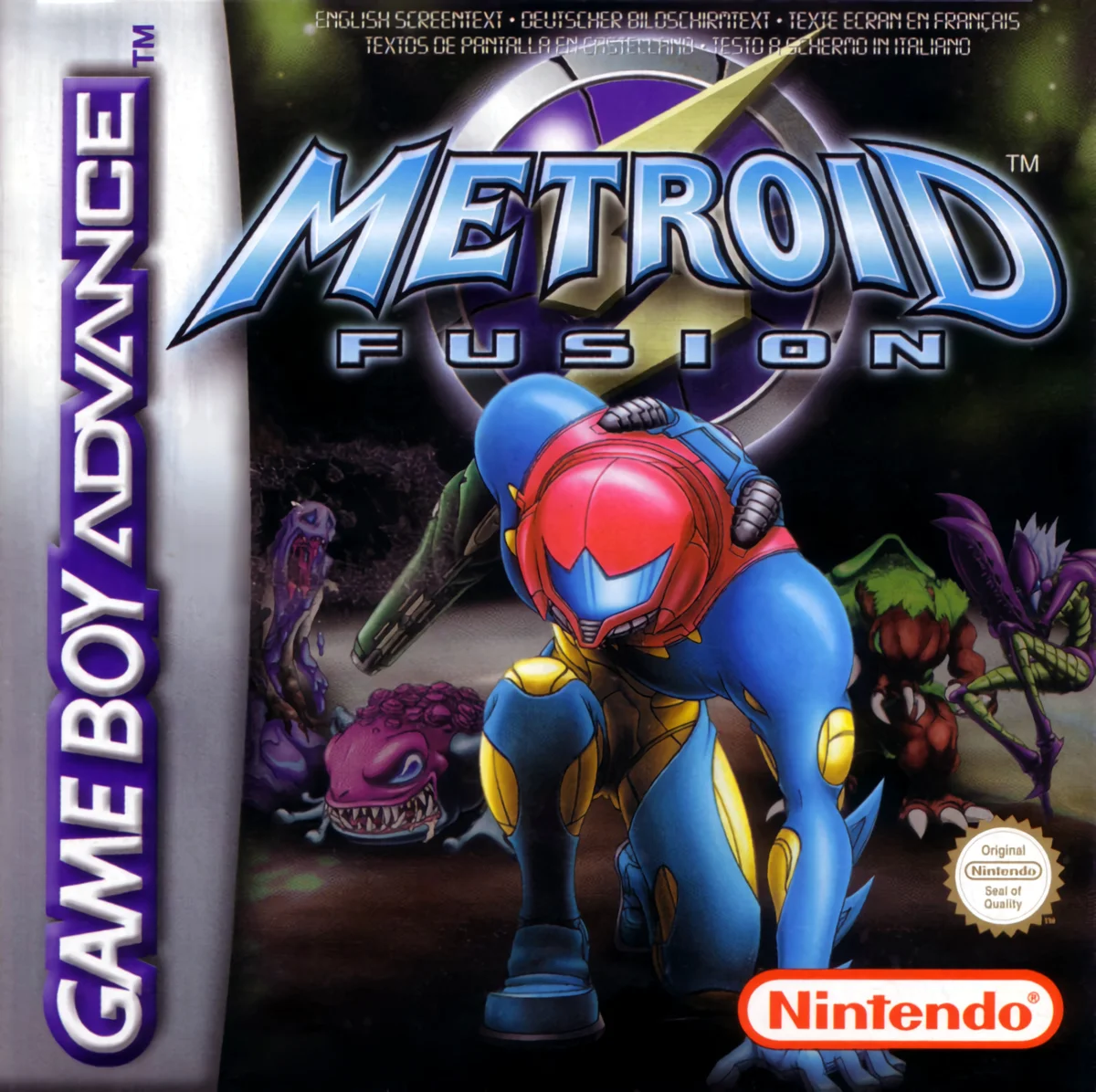
Storage is only one part of the design. Final Fantasy X spends time on voiced scenes and a journey through successive locations. Ico builds much of its tension from a small set of actions repeated in an unfamiliar castle. Metroid Prime makes an area worth revisiting by changing what the player can notice or reach. Comparing these uses of space tells us more than treating disc capacity as a measure of ambition.
The cost of making more
Room on a disc does not supply the labour to fill it. Animation, environments and recorded performances need people and time; a longer game also needs its encounters and progression to hold together. The archive does not assign budgets to these selections where the figures and their accounting scope have not been verified.
Satoru Iwata later described a related problem in the Wii Channels interviews: development costs varied with team size and duration, while packaged games tended towards standard price points. Manufacturing and retail costs also limited how cheaply a small game could be sold. This is a participant’s retrospective explanation of the business constraints, rather than a cost ledger for every game in this chapter.
The selections make a useful comparison. Katamari Damacy builds complexity by changing which objects the ball can collect. Shadow of the Colossus concentrates its encounters around finding a route across a moving creature. Neither needs to be described as a smaller version of a crowded city game. Their structures decide where the work appears and what the player spends time doing.
Beyond the controller cable
An online game needs more than a socket. The console, connection, software and service must agree. Dreamcast’s modem made connection part of its standard hardware. GameCube offered separate modem and broadband adapters. Earlier PS2 models used network accessories; Sony’s 2004 slim model announcement identifies integrated Ethernet in the redesign. Model and region belong in the explanation.
Xbox took another route by including Ethernet before its online service launched. Microsoft’s ten-year Xbox Live retrospective dates the service’s arrival to November 2002. A shared account and service could become part of how players found one another, rather than leaving each game to explain the whole process anew.
Phantasy Star Online gives this history a practical subject: a party enters an area together, fights and returns with equipment. Halo 2 makes finding opponents part of a different rhythm of short competitive matches. Their online histories should not erase what can still be played offline. Nor does an Ethernet cable restore an original service that has closed.
The people in the room
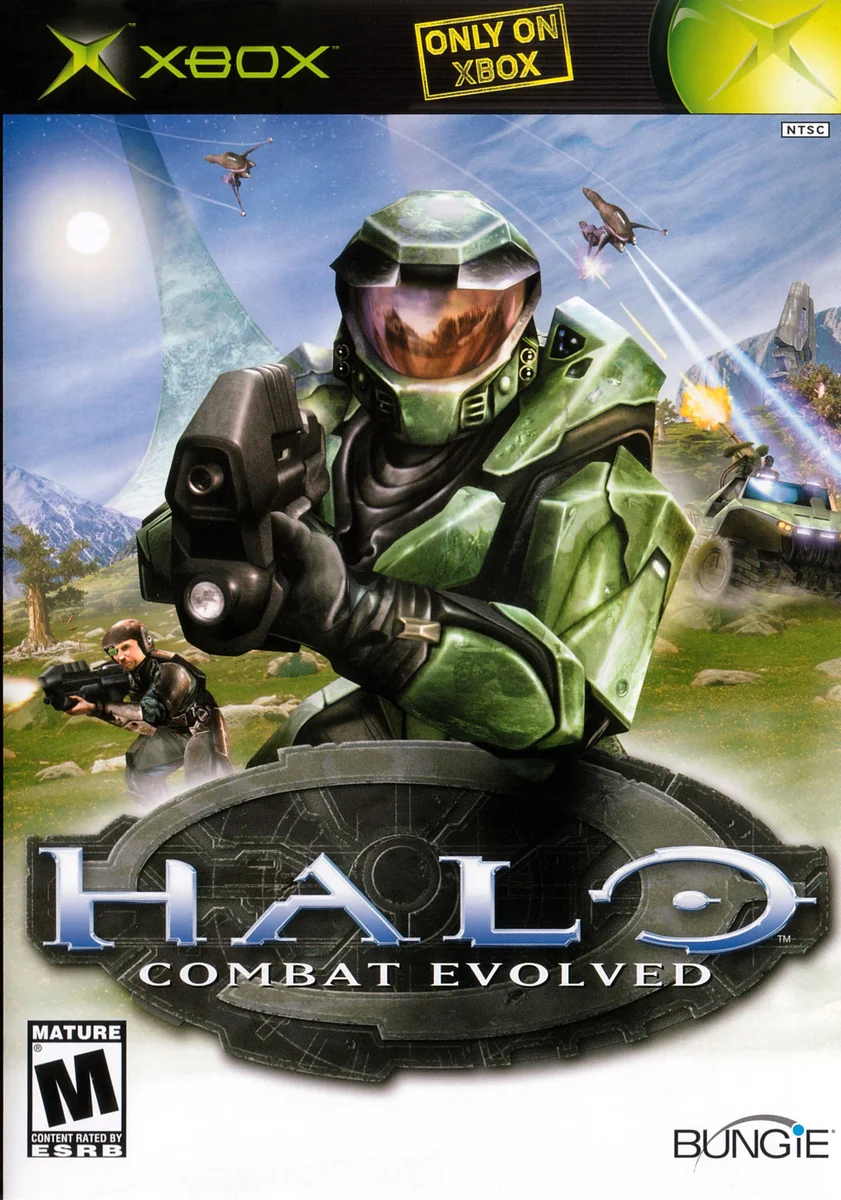
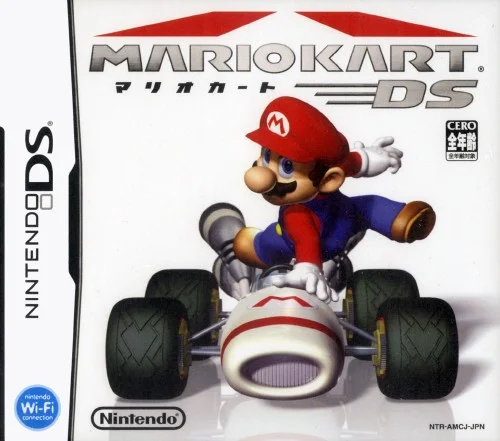
Network play did not displace the second controller. Super Smash Bros. Melee builds a contest around recovering to a shared platform while opponents try to deny the route. Mario Kart: Double Dash!! puts two characters on a kart. Halo offers a campaign that can be played with another person beside you. The seating arrangement changes how players communicate and who can see what happens.
That is why these collections include racing, puzzle and local competitive games alongside adventures. A recommendation can be an invitation to repeat one course or learn one character. Completion is a less useful measure for these games than understanding what makes the next attempt different. The journey tracker lets readers decide when they have played enough; the archive does not invent a finishing time.
A screen for each player
Game Boy Advance kept games on cartridges while the home consoles moved further into optical media. Nintendo’s hardware comparison shows how much could change within one family: the original model’s unlit screen, the Japanese SP’s front light and the Micro’s smaller backlit display offered different conditions for reading the same game. Compatibility also changed. Advance and SP accepted older Game Boy and Game Boy Color cartridges; Micro did not. The family name alone does not identify what a machine can play.
Nintendo DS put two displays in a folding case and made the lower one touch sensitive. Its instruction booklet describes the stylus, microphone and buttons as distinct inputs, with their use determined by the game. Touch could make an object on the screen directly selectable; it also changed how a player held the machine. The original DS retained a separate GBA cartridge slot alongside its DS Game Card slot, but did not carry over GBA multiplayer accessories. Backward compatibility preserved part of the older library’s behaviour, rather than every way of playing it.
Sony’s PSP put a widescreen display between a directional pad, face buttons and a single analogue pad. Its 2004 specification announcement describes UMD as a medium for games and other entertainment, including films. Sony was building a portable disc library as well as a games machine. Familiar PlayStation controls helped connect the handheld to the home consoles, while the single analogue pad gave developers a different set of controls to work with.
Separate screens also changed local multiplayer. Nintendo distinguishes DS Download Play from multi-card wireless play: supported Download Play modes share data from one game card, while multi-card modes require software for each participant. Sony’s PSP announcement likewise separates direct wireless connections between systems from online play. Players could meet in the same room without sharing a television or connecting to an internet service. The game and hardware model still determine which modes are available.
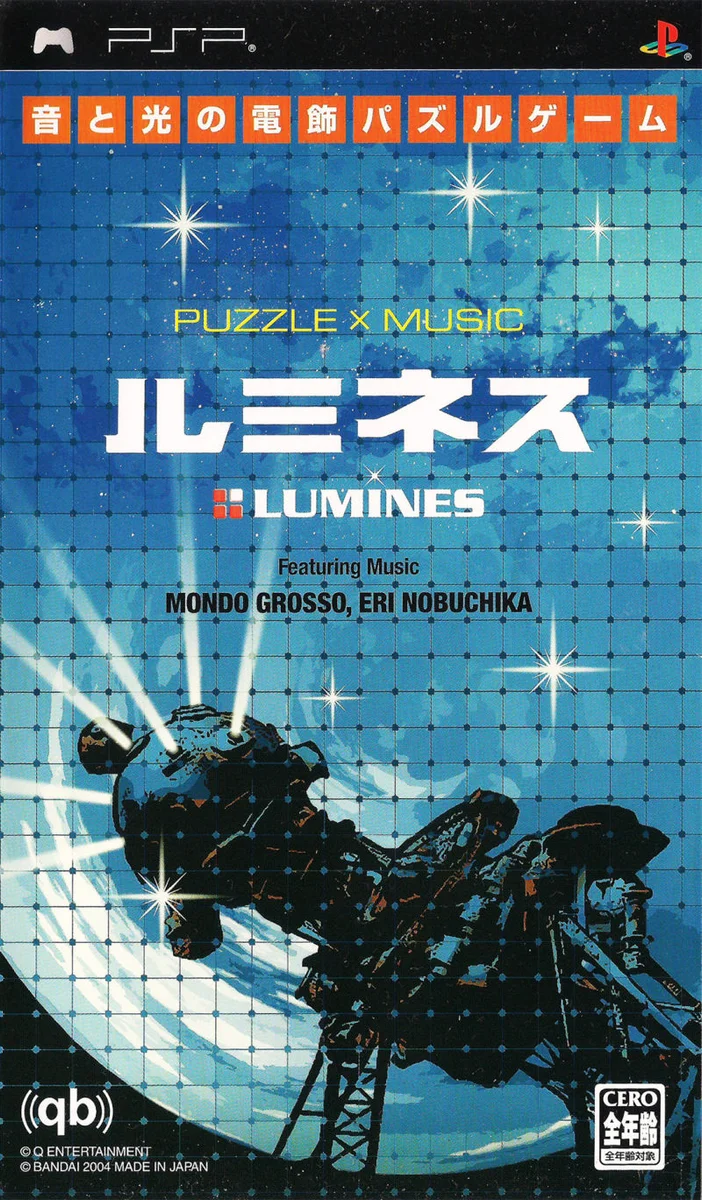
The portable collections give those inputs and screens specific tasks. Advance Wars makes a small grid readable enough to plan several moves ahead. Elite Beat Agents asks the player to follow music through taps and drawn paths. In Lumines, a moving line decides when completed blocks disappear, so rhythm affects how a puzzle develops. Each feature records the handheld edition and separates later adaptations from it.
What survives the service
Microsoft announced the end of original Xbox Live support for 15 April 2010, including original Xbox games running on Xbox 360. Preserving a disc and preserving its network environment are separate tasks. Community replacements, where available, are not the original operator’s service and are not verified playing routes in this edition.
Nintendo’s Wi-Fi Connection discontinuation notice records the service’s closure on 20 May 2014. It affected online functions in supported DS, DSi and Wii games, while offline play remained available. A local wireless mode and an internet matchmaking service have different dependencies; a notice about one should not be read as a shutdown of both.
Later releases need similar care. A remake can preserve a name while changing controls, spaces or combat. A remaster can change presentation without making every regional edition equivalent. Each feature below identifies the console edition under discussion and separates it from later versions. Original-hardware routes remain useful descriptions of the required equipment, not assurances about the condition or availability of second-hand copies.