Short rounds and long visits
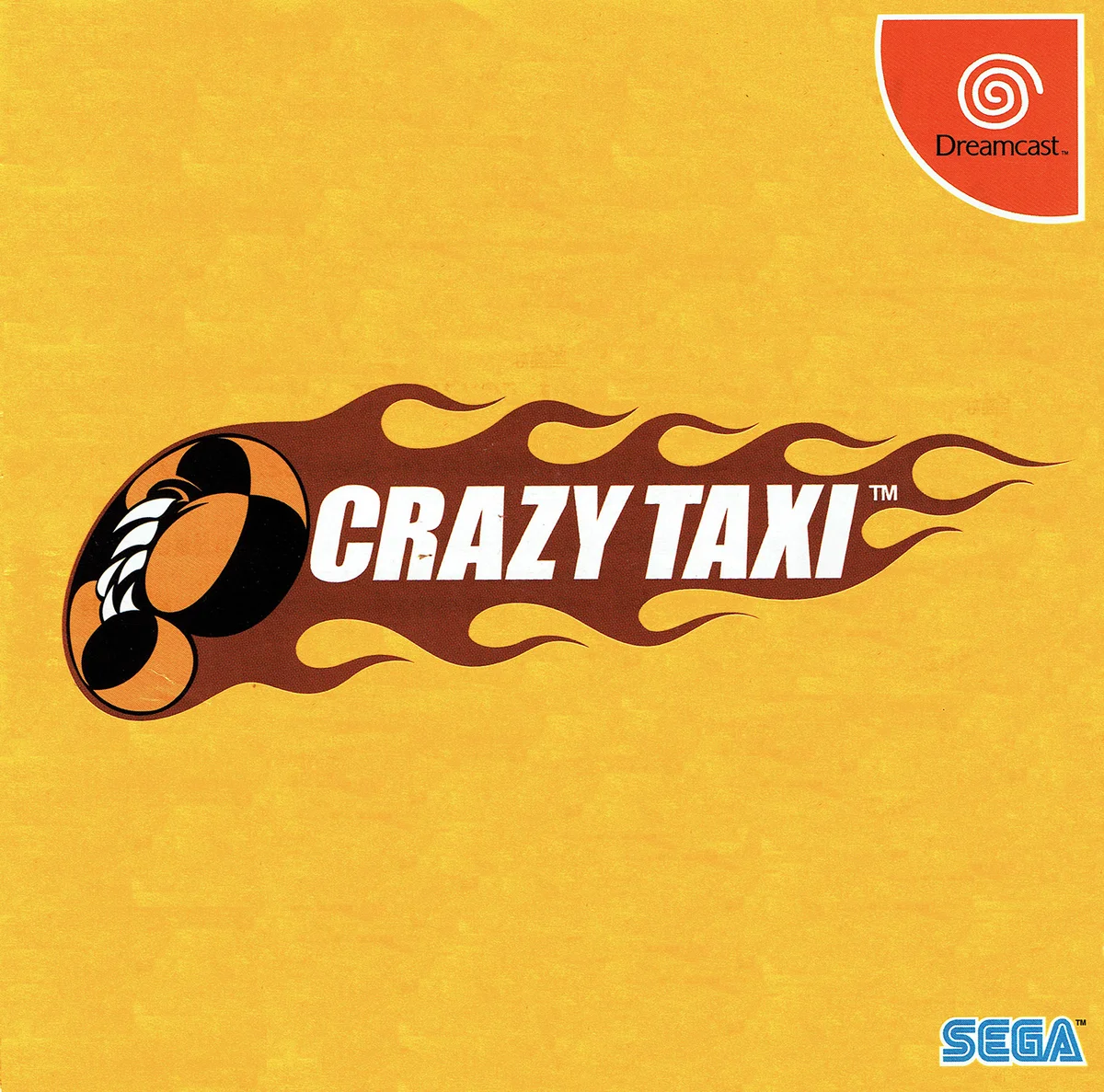
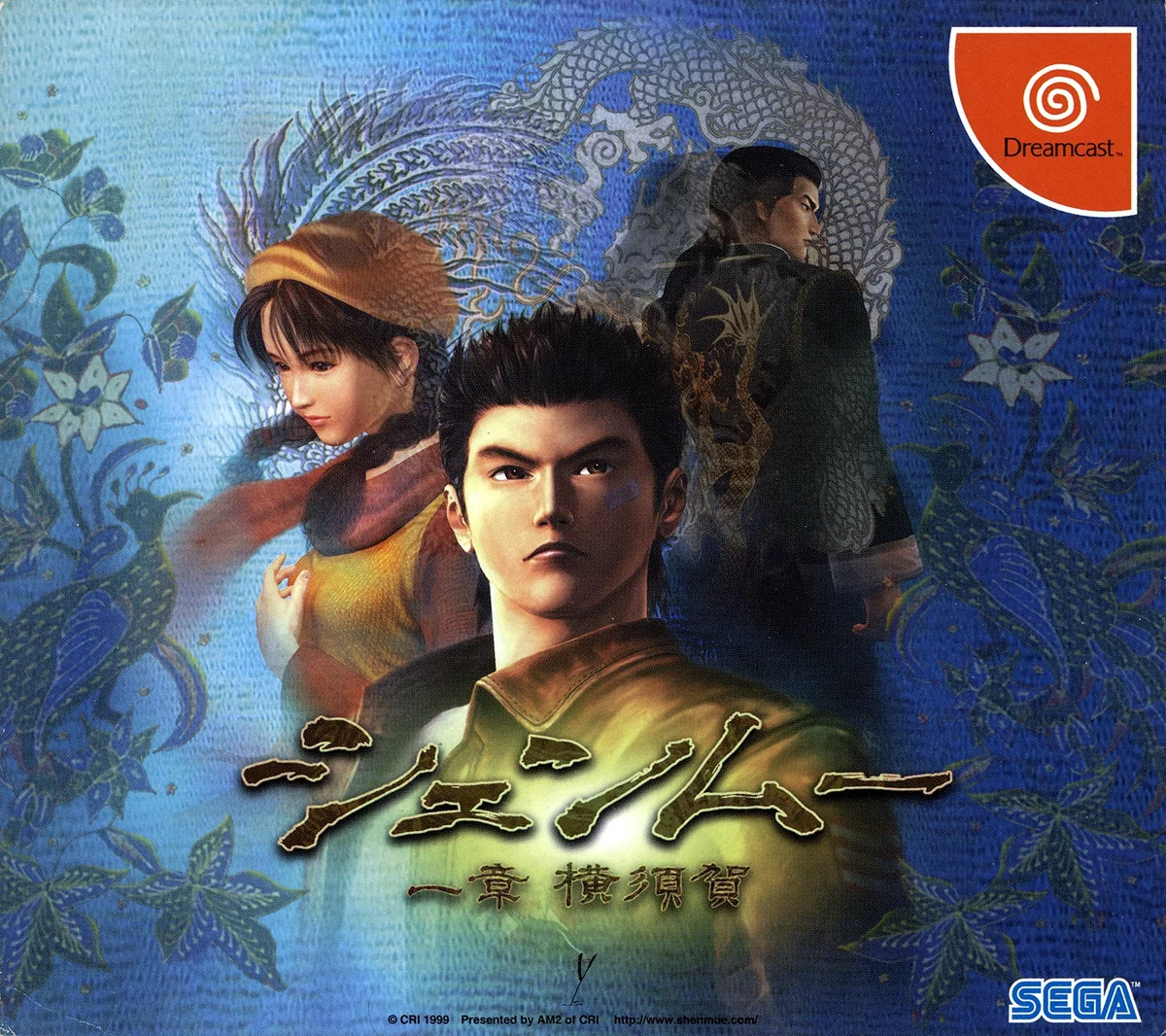
Crazy Taxi makes a street corner into a repeated judgement about speed and risk. Shenmue asks you to learn a neighbourhood, its opening hours and the people who live there. Their shared platform says less about a single house style than about how broadly Sega’s studios were working.
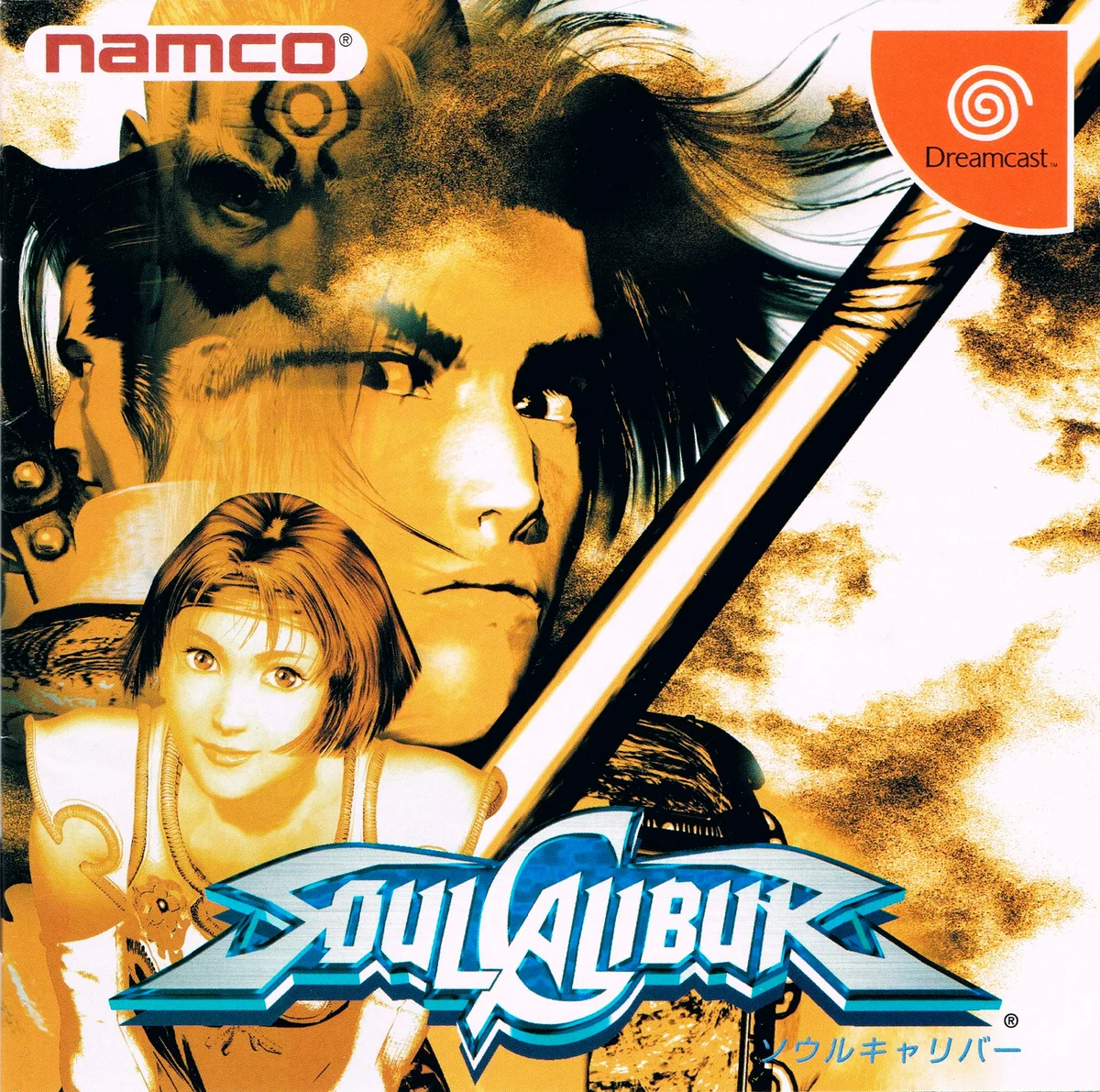
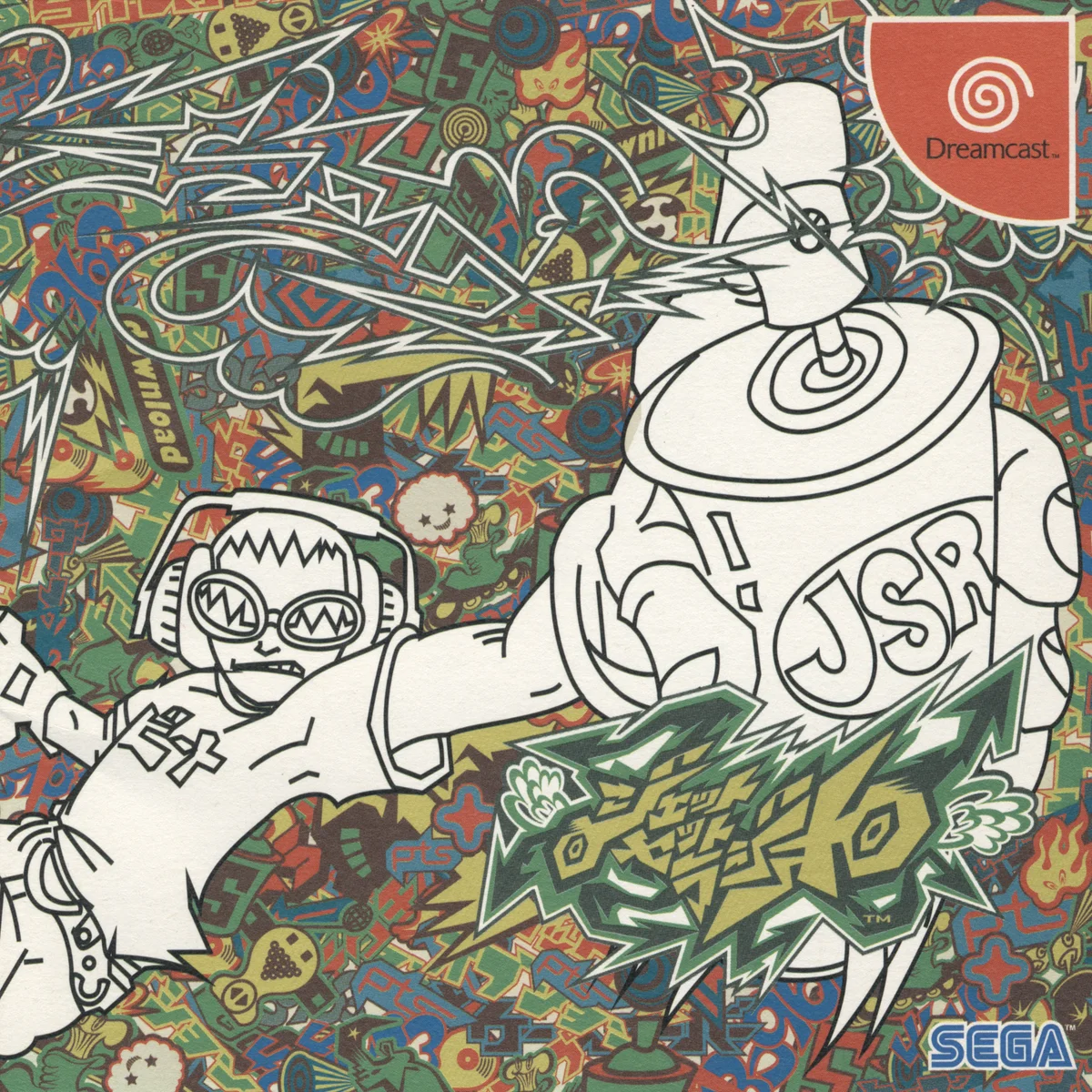
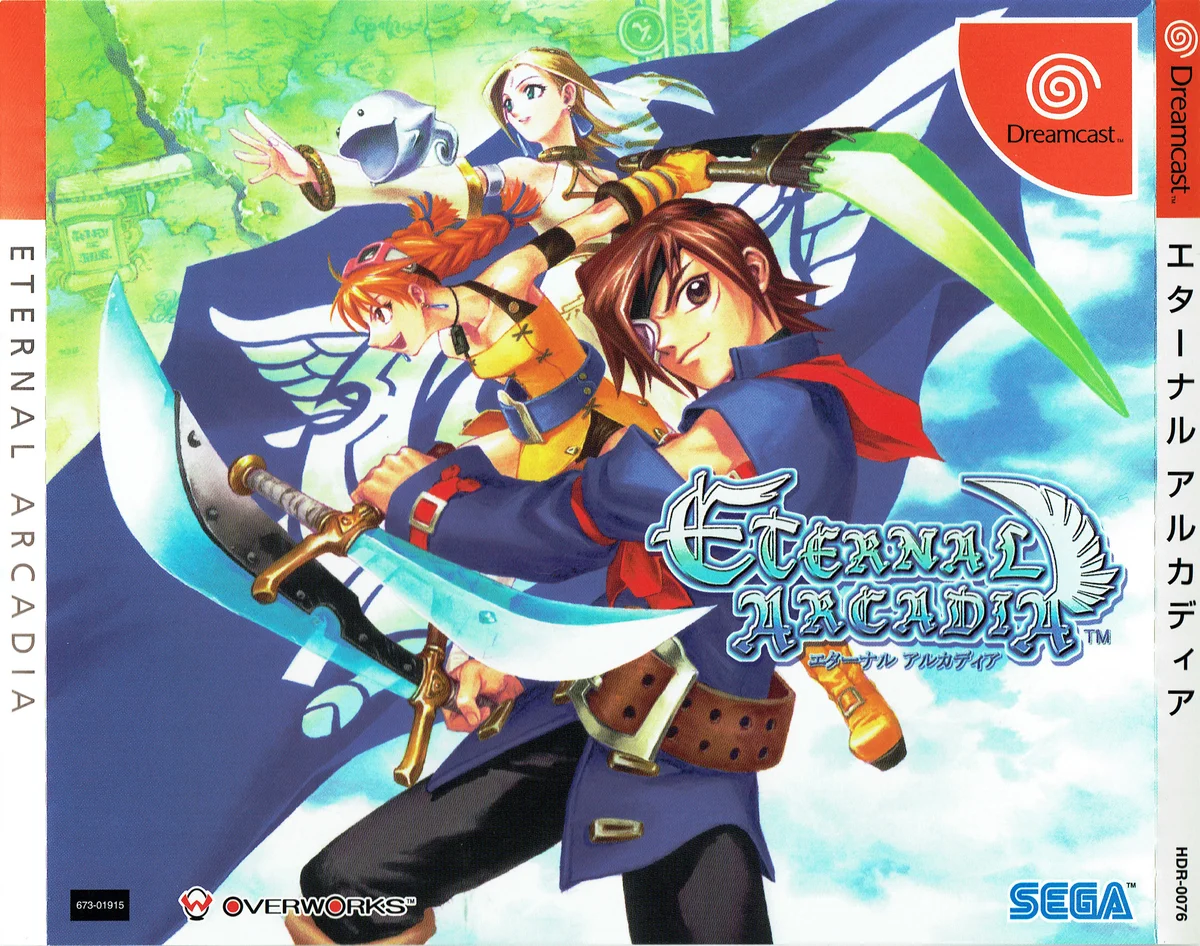
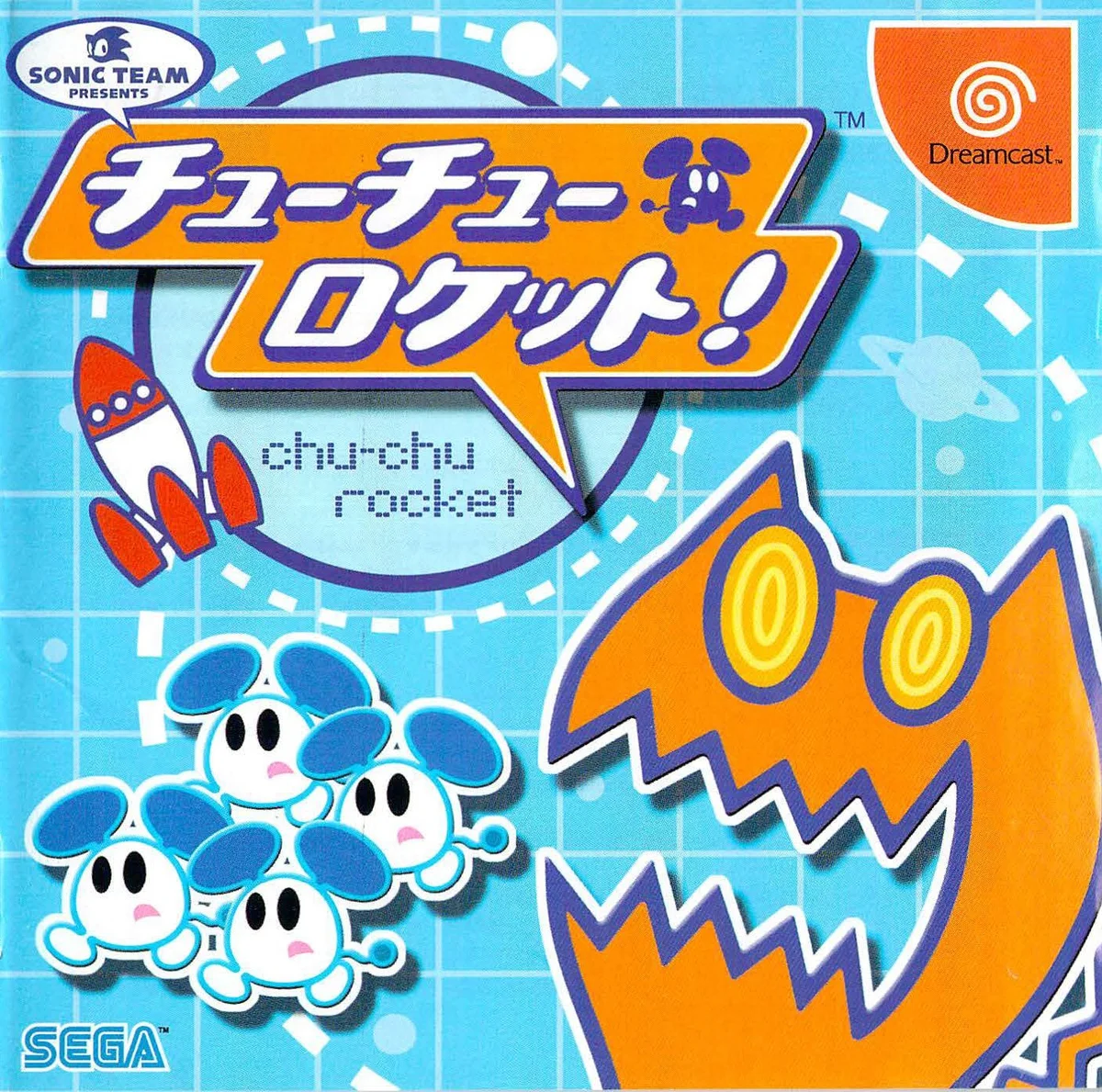
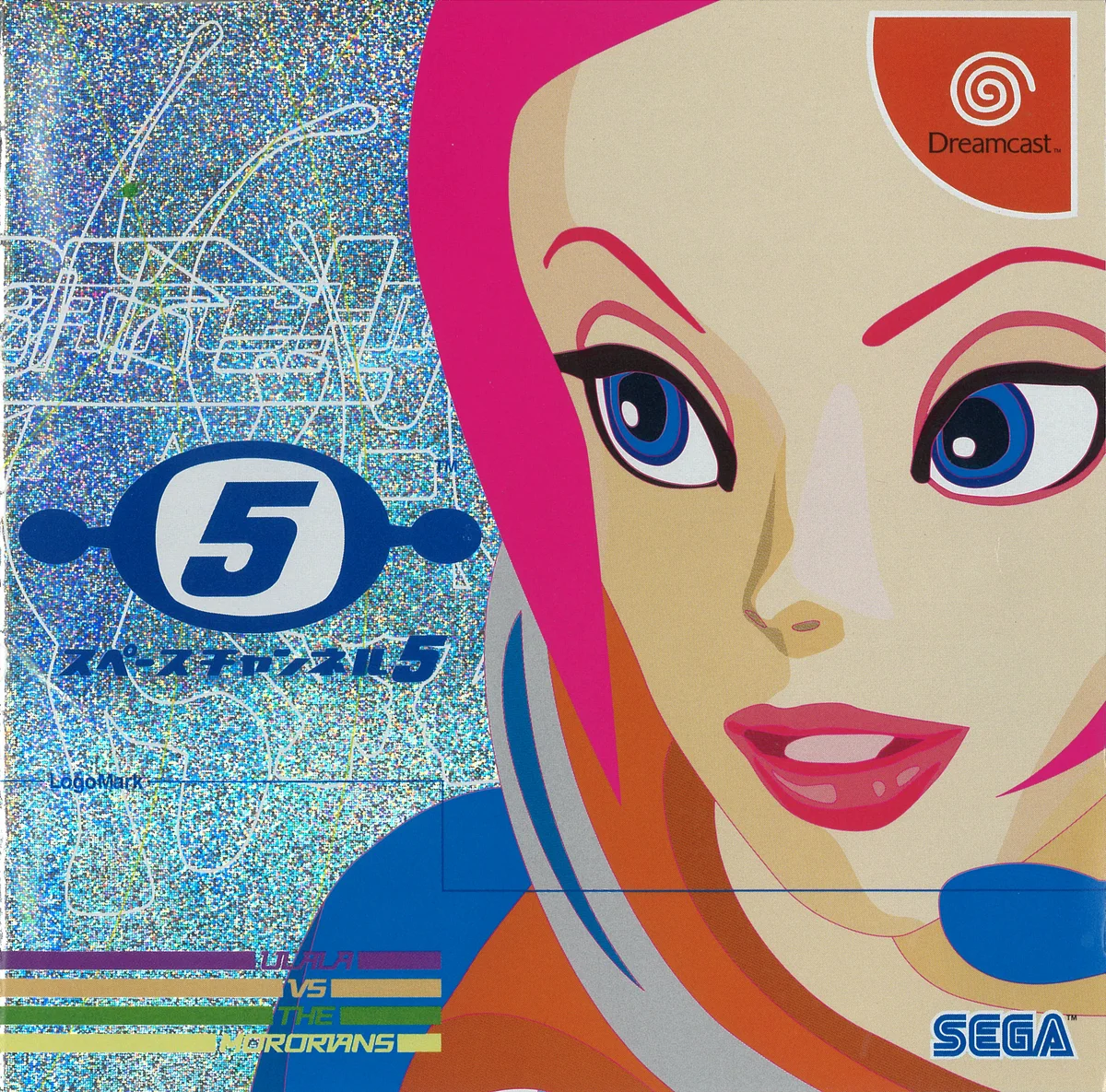
The ten-game selection moves between these scales. Soulcalibur suits repeated matches, Space Channel 5 follows a musical routine, and Skies of Arcadia offers a journey to settle into. The hardware’s online ambitions should not obscure how much of its library was built around a controller and a local screen.
Sources for this section6 references
- Sega history: 1960–2020 ↗Sega · Accessed 2026-10-27
Regional introduction years and manufacturer-reported regional sales. These are not a harmonised global installed-base total.
- ソフトウェア一覧(セガ発売) | ドリームキャスト ↗Sega · Accessed 2026-10-27
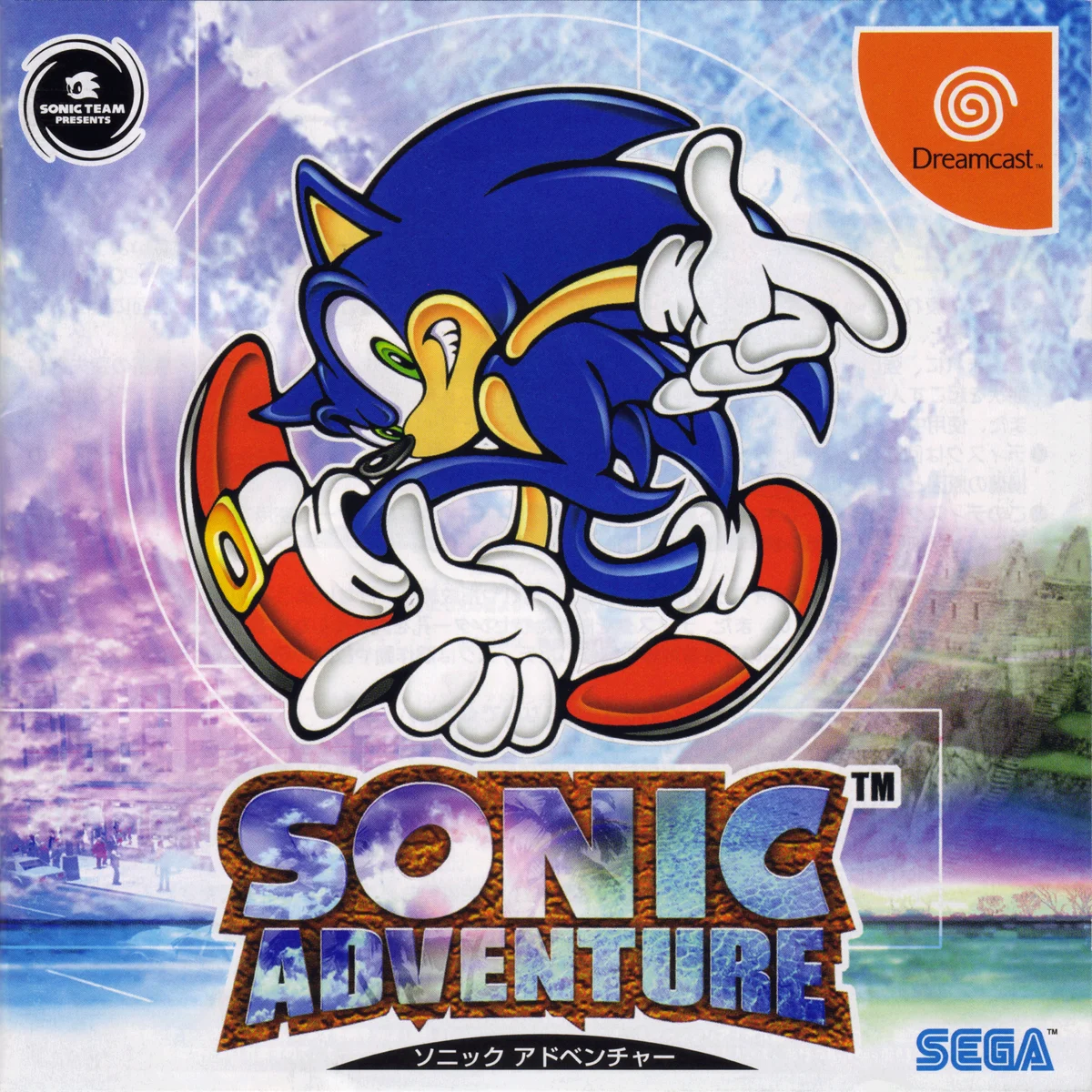
Japanese GD-ROM catalogue; distinguishes the original Sonic Adventure, International revision, Jet Set Radio revision and original PSO from Ver.2. Historical download links are not current availability evidence.
- SOULCALIBUR ↗Bandai Namco Games · Accessed 2026-10-27
Publisher distinguishes the 1998 arcade original, 1999 Dreamcast conversion and 2008 adaptation; lists removed modes in the latter. This old Xbox 360 listing is not a verified purchase route.
- ドリームキャストの名作がよみがえる! クレイジータクシー ↗Sega · Accessed 2026-10-27
Publisher description of the later adaptation; does not establish present-day store availability.
- シェンムー I&II 公式サイト ↗Sega · Accessed 2026-10-27
Publisher description and later remaster distinction; historical original date is corroborated by the Dreamcast catalogue.
- Virtual Realms: Videogames Transformed ↗Barbican / Enhance · Accessed 2026-10-27
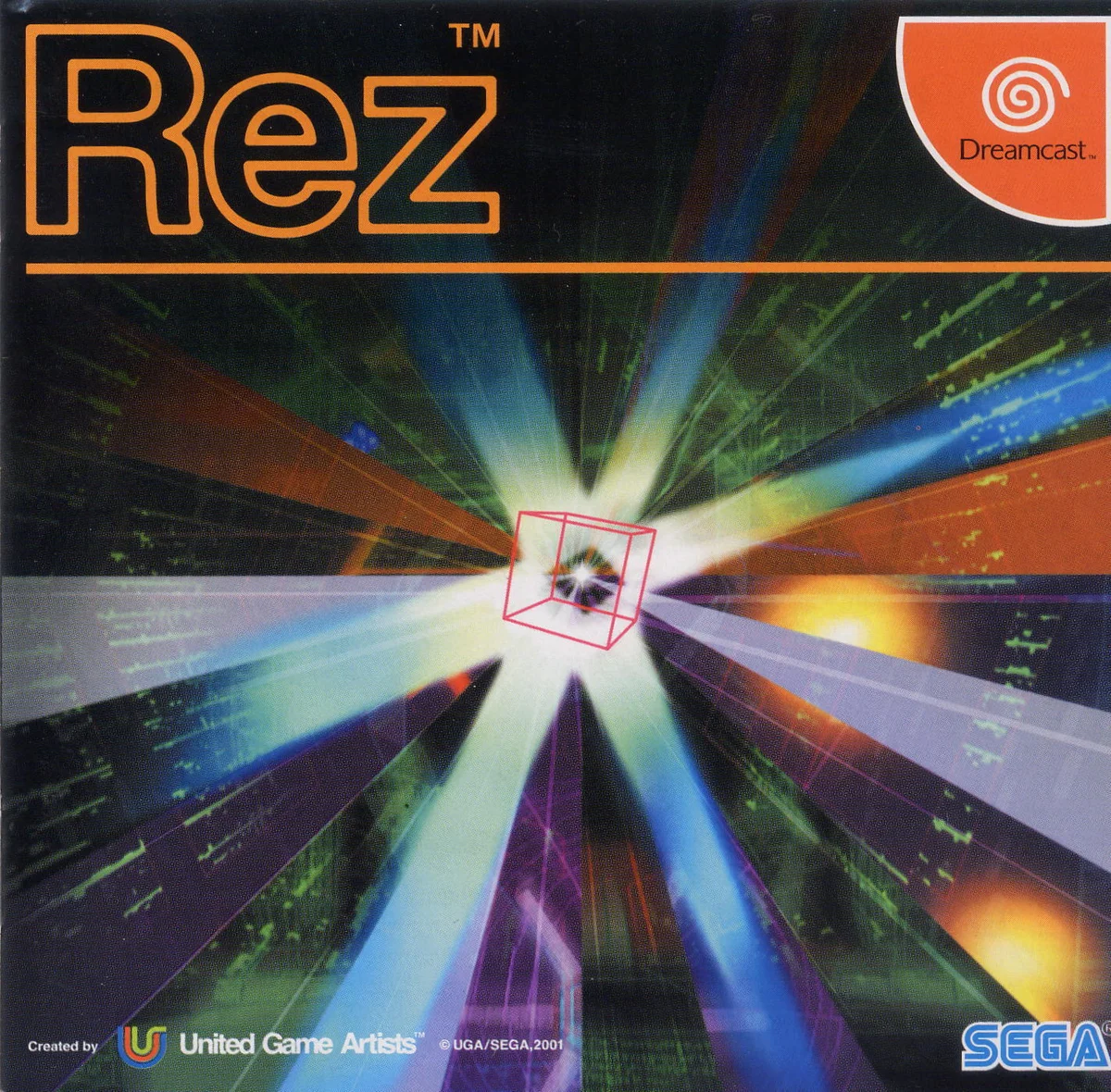
Exhibition material supplied with the participating developer identifies United Game Artists, Space Channel 5 (1999) and Rez (2001).
Make the development work easier
Sega’s account of the design describes a response to Saturn’s complexity: focus on 3D graphics, improve development tools and control costs. SH-4 and PowerVR2 formed the core of the resulting machine. These were practical production goals, not a guarantee that every studio would achieve the same result.
The Visual Memory unit gave saved data a small screen of its own. A window in the controller kept it visible during play; supported miniature games could also run with the unit detached. It made the memory card part of the interface rather than simply a place to leave a save.
Sources for this section1 reference
- 【連載】セガハードストーリー最終回 ゲームの未来を変えた先進的ハード 『ドリームキャスト』 ↗Sega · Accessed 2026-10-27
Manufacturer retrospective on development tools, cost targets, VMU, four controller ports and the practical demands of network services. Its promotional first-ever claims are not adopted.
The modem was only the beginning
A removable modem shipped with the machine. Sega also had to explain providers, connection fees and network play to people who had never used the internet. Its retrospective acknowledges server investment and latency as separate problems from the console’s drawing speed.
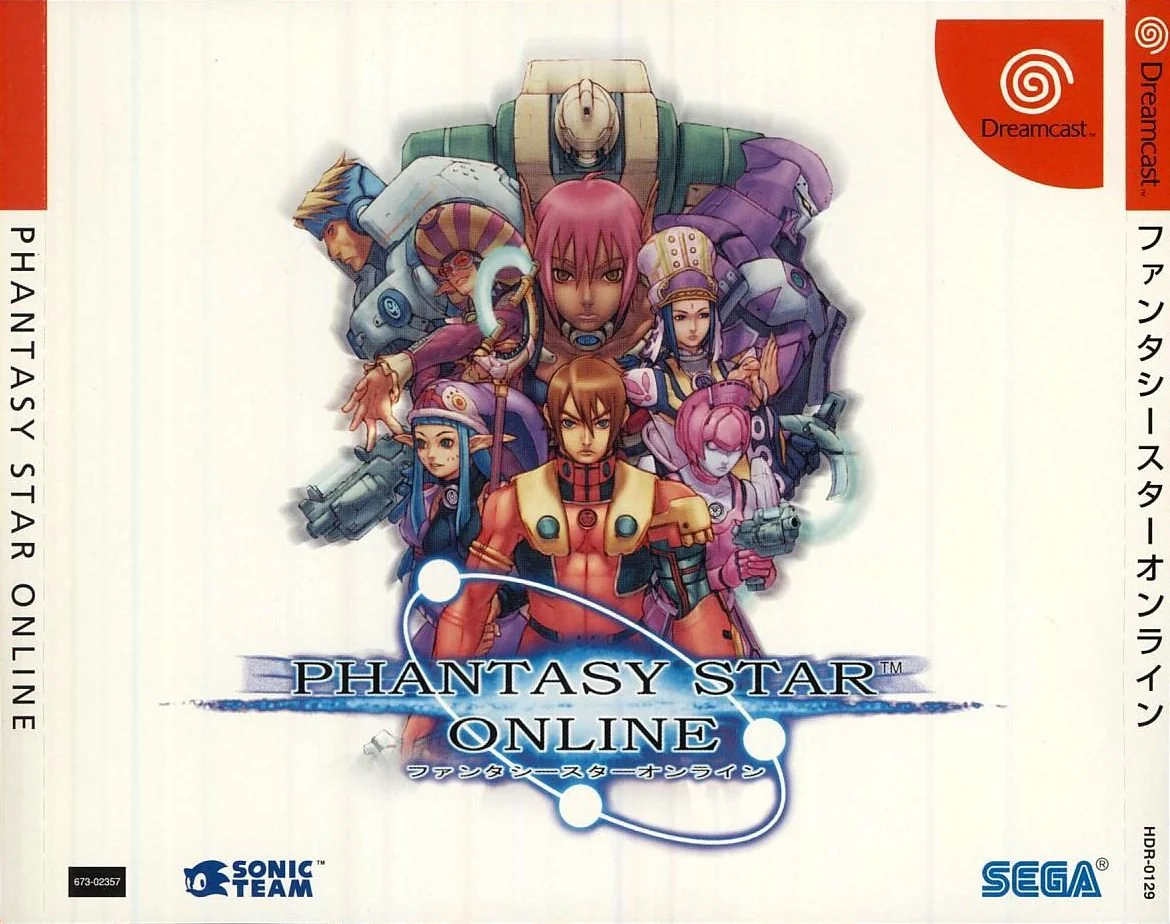
Phantasy Star Online arrived in Japan in December 2000. Its party could share a quest across a network, giving the machine a social life beyond the room. An original disc now preserves only part of that arrangement: a functioning console does not establish that the original network service is available.
Sources for this section3 references
- ドリームキャスト ↗Sega · Accessed 2026-10-27
Japanese launch, SH-4, memory, removable modem, GD-ROM and January 2001 production decision. Japanese specifications are not universal modem specifications.
- 【連載】セガハードストーリー最終回 ゲームの未来を変えた先進的ハード 『ドリームキャスト』 ↗Sega · Accessed 2026-10-27
Manufacturer retrospective on development tools, cost targets, VMU, four controller ports and the practical demands of network services. Its promotional first-ever claims are not adopted.
- Sega history: 1960–2020 ↗Sega · Accessed 2026-10-27
Regional introduction years and manufacturer-reported regional sales. These are not a harmonised global installed-base total.
Production ends before the library does
On 31 January 2001 Sega announced that it would concentrate its home-console business on content and stop Dreamcast manufacture in the fiscal period ending that March. The decision concerns production; it does not make every game released afterwards an error in the chronology.
For original play, match the disc’s region, controller requirements and display connection to the hardware. Later conversions are useful alternatives where documented in the game features. Community network revivals require separate investigation and should not be described as Sega continuing the original service.
Sources for this section1 reference
- ドリームキャスト ↗Sega · Accessed 2026-10-27
Japanese launch, SH-4, memory, removable modem, GD-ROM and January 2001 production decision. Japanese specifications are not universal modem specifications.