The pause belongs to the phrase
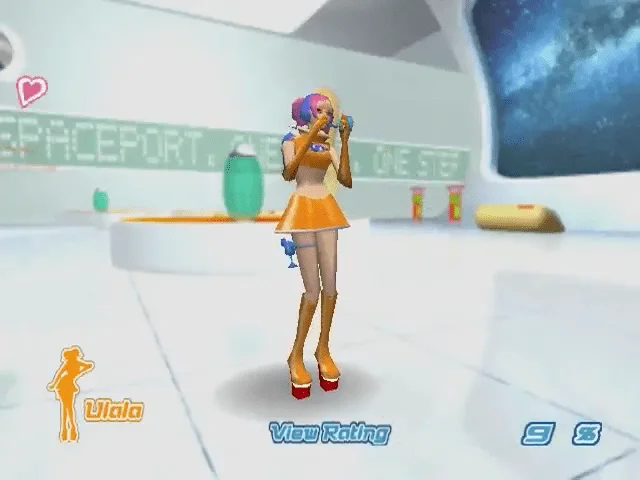
The instructions are simple until their pauses become part of the challenge. Remembering the directions is insufficient if you compress a rest or hurry the reply. Each successful exchange makes the performance feel more confident, while mistakes interfere with both the score and the show. Its short reports reward rehearsal, though that repeated learning can frustrate players expecting a forgiving improvisation.
Listen for the entire phrase before answering. A television’s low-latency game mode may help keep sound and input aligned, but this archive has not measured a display setup. Practise one report until its pauses are as familiar as its directions.
A report performed in time
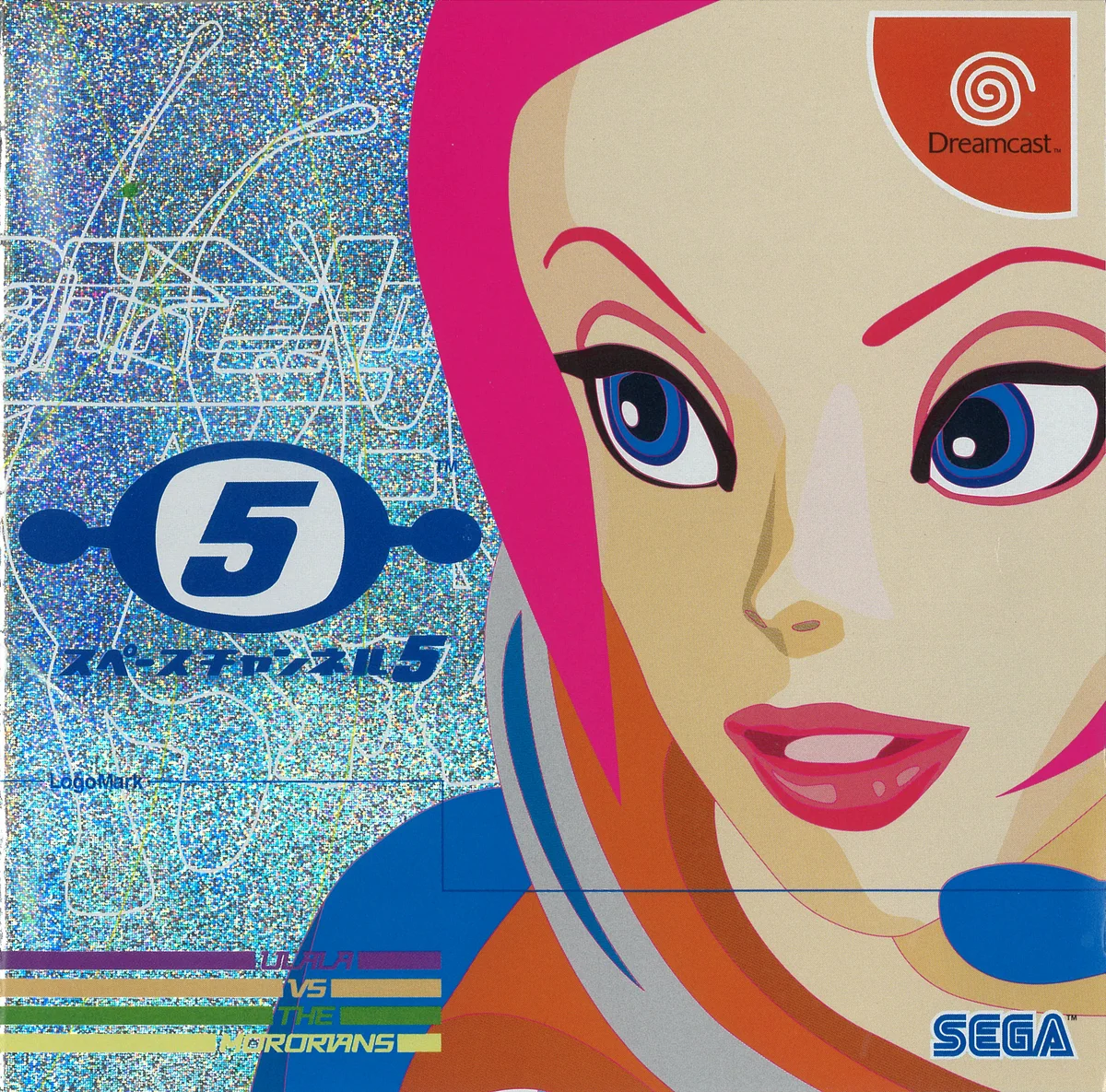
The Japanese Dreamcast original dates to December 1999. United Game Artists built the action around a reporter answering dance instructions, making the performance itself the subject of play. Space Channel 5: Part 2 is a separate sequel; a later listing for that title is not access to the first game.
Why we chose it for Dreamcast
Remembering the pauses makes a short television performance demanding to master.
Explore this console’s game selection ↗Release record
Original worldwide release: 1999. Release records above identify the console editions covered by this collection.
Sources and further reading3 references
- ソフトウェア一覧(セガ発売) | ドリームキャスト ↗Sega · Accessed 2026-10-27
Japanese GD-ROM catalogue; distinguishes the original Sonic Adventure, International revision, Jet Set Radio revision and original PSO from Ver.2. Historical download links are not current availability evidence.
- Virtual Realms: Videogames Transformed ↗Barbican / Enhance · Accessed 2026-10-27
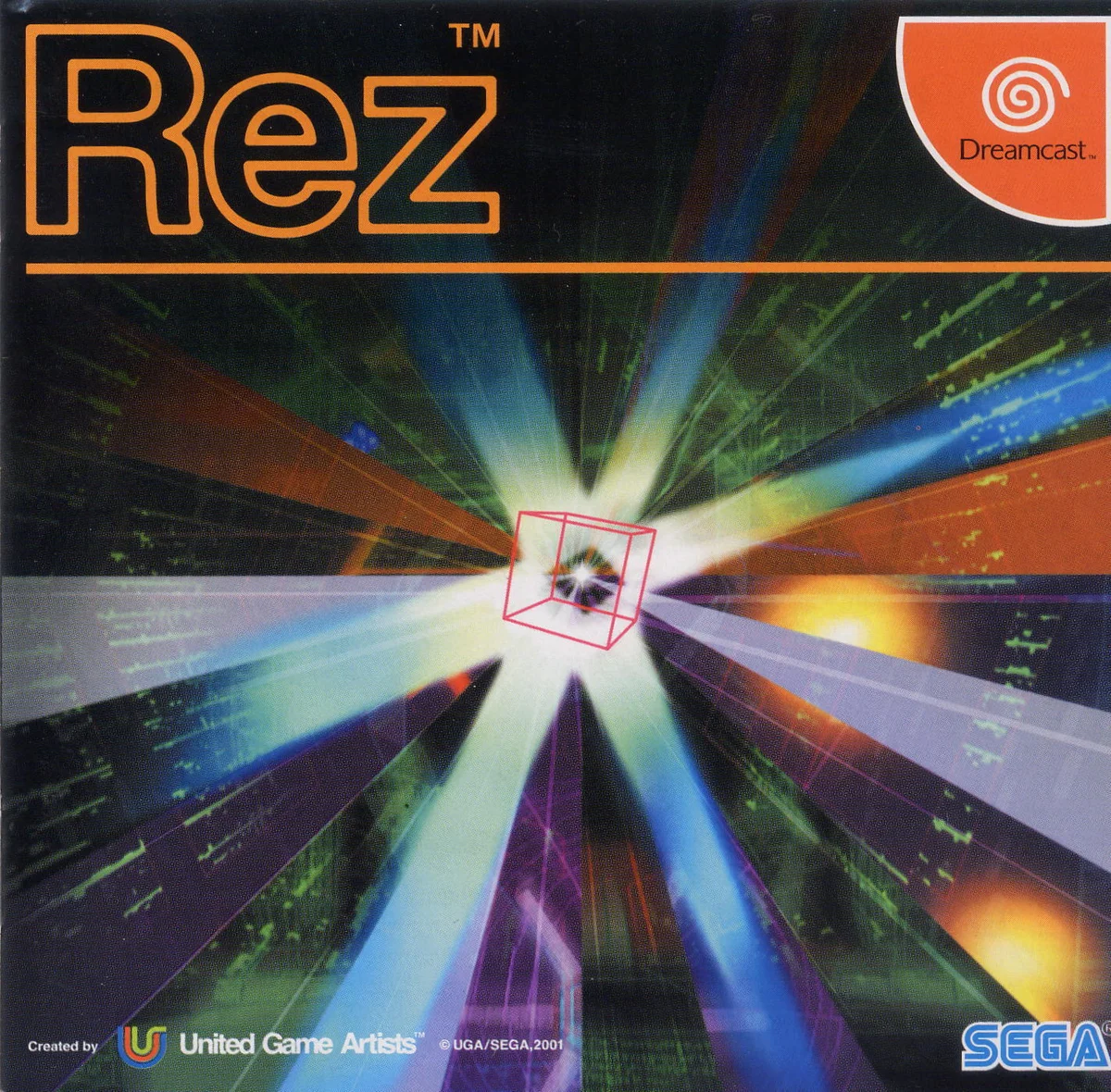
Exhibition material supplied with the participating developer identifies United Game Artists, Space Channel 5 (1999) and Rez (2001).
- Space Channel 5 instruction manual ↗Sega; preserved by Digital Press · Accessed 2026-10-27
Original manual: controller inputs, rhythm imitation, dance/shoot phases and saved progress.