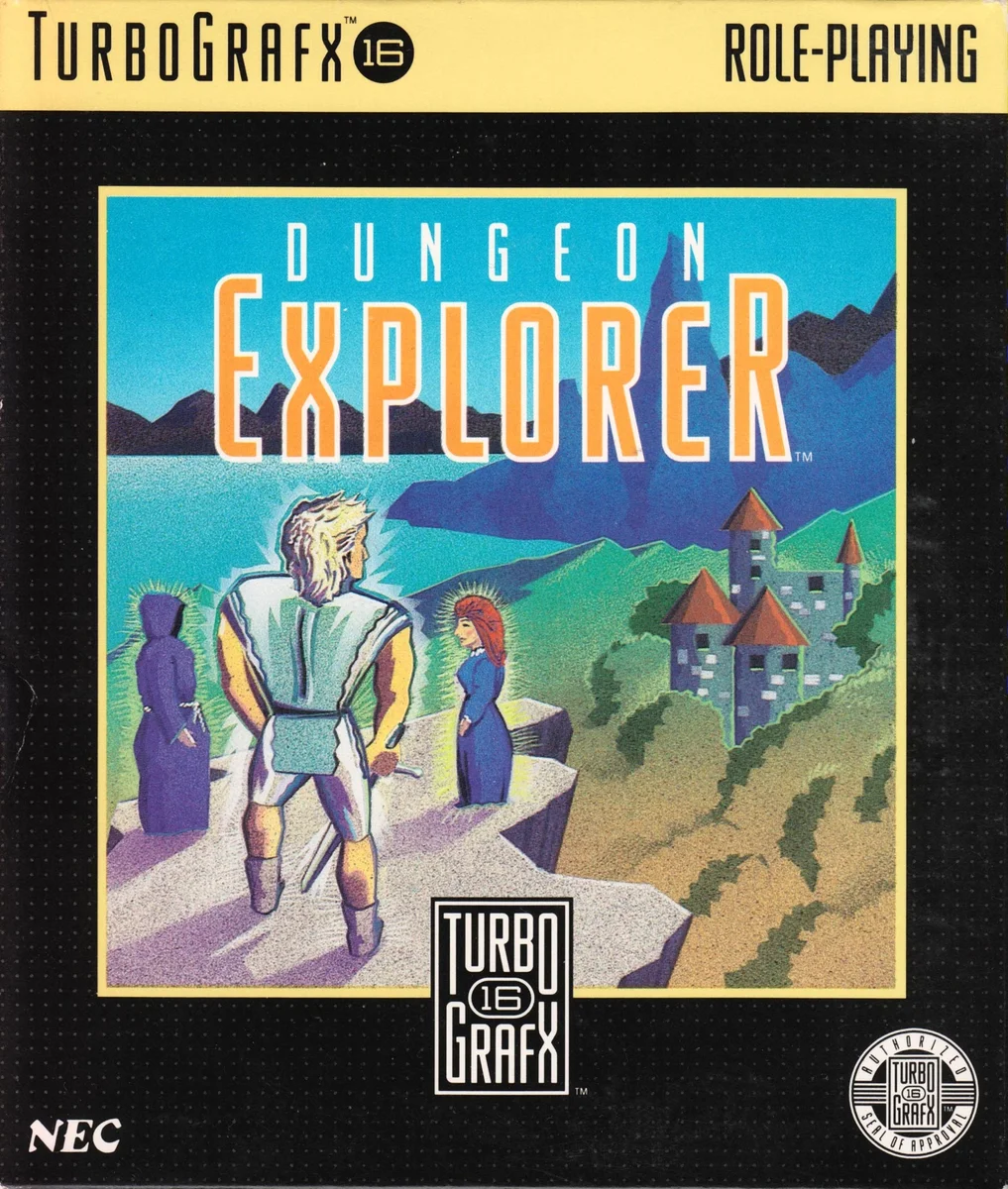
Make room for a larger party
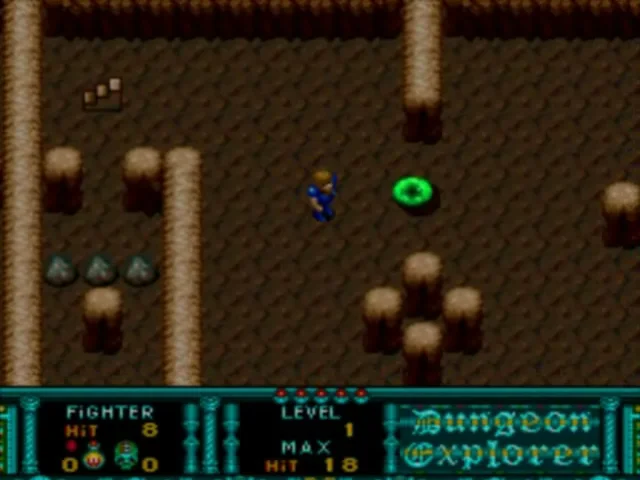
The original HuCard supports up to five simultaneous players. That makes cooperation a substantial part of the hardware story: several people can share one television without waiting for a turn. Its class choices also give the extra controllers more purpose than simply multiplying the same attack.
Every character can fire a weapon, but the classes give the party different strengths and spells. In a group, choosing a route and keeping everyone moving become part of the challenge. The adventure offers towns and conversations between its crowded passages, leaving room to regroup before another descent.
Agree on the next passage
Choose different classes and discuss who will use which magic. Keep the password when stopping, even if a modern reissue also offers a save state. Solo play is possible, though it leaves the party coordination that distinguishes the game unexplored.
Why we chose it for PC Engine
Bring companions if possible: a shared dungeon and differing classes give the five-player format a purpose.
Explore this console’s game selection ↗Release record
Original worldwide release: 1989. Release records above identify the console editions covered by this collection.
Sources and further reading3 references
- DUNGEON EXPLORER ↗Original publisher manual, preserved by Konami · Accessed 2026-10-27
Original North American TurboChip manual; party registration, distinct classes, magic and passwords.
- Dungeon Explorer (1989) ↗MobyGames · Accessed 2026-10-27
Secondary credit catalogue identifying Atlus as developer and Hudson as Japanese publisher. Regional day-level dates are not asserted.
- PC Engine mini: Game List ↗Konami · Accessed 2026-10-27
Japanese and North American software editions and their respective years. Installed mini software is a documented playing route, not a claim about current hardware stock.